Russia today

User avatar
blindpig
Posts: 14890
Joined: Fri Jul 14, 2017 5:44 pm
Location: Turtle Island
Contact:

Re: Russia today

Post by blindpig » Sun Dec 07, 2025 6:52 pm

Dmitry Anatolievich Medvedev on New National Security Strategy

Translated post
East Calling
Dec 07, 2025
Cross-posted by East’s Substack

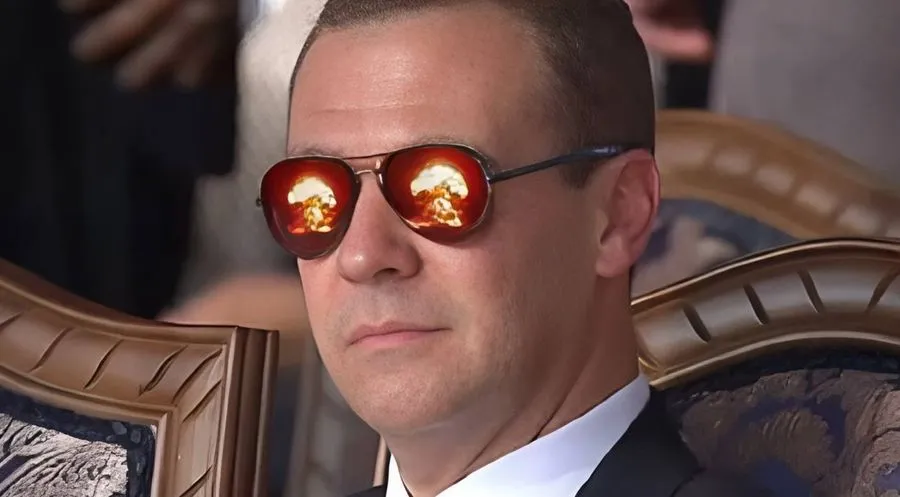
"Dmitry Medvedev once again delivers his style of biting commentary!"
- Zinderneuf

Image
Deputy Chairman of the Security Counsel of the Russian Federation - Dmitry Anatolievich Medvedev on his VK:

🈁The Americans continue to tame the crazed European Union. Naturally, so that the sick animal remembers who’s the real boss. Even Musk (in response to the fine against X) contributed to this, wishing for the EU’s disintegration. Not bad! Overall, this is to our benefit. Better Trump’s great-power pragmatism than Biden’s globalist insanity.

In this regard, the new National Security Strategy prepared by the current White House administration stands out. It is notable for its realistic assessment of many modern challenges. I should point out that the significance of such a strategy should not be exaggerated. It is merely a collection of political declarations. What matters is what’s in their heads. And not only in the minds of the inconsistent Washington brass, but also in the notorious “deep state.” And yet...

1. This time, a very interesting document has emerged from the depths of the White House. This is not just another pile of arrogant American diplomatic formulas. It’s more like an attempt to turn around a huge ship that has been sailing along by inertia for a long time and has finally decided to change course. For the first time in many years, Washington is openly talking about the need to restore “strategic stability” in Eurasia and improve relations with Russia.

This is no longer the language of the money-grubbing Derzhimorda, who, under Biden, declared a virtual crusade against Moscow. The overseas superpower has begun to realize that playing superhero on its own is too costly. It hurts its own interests the most.

For us, this means that space is emerging for more or less civilized diplomacy. This is not a friendly embrace, but a fairly clear signal: the US is ready to discuss security architecture, not just slap on endless, and most importantly, senseless sanctions (although new restrictions on Russian oil mean a continuation of the current course).

2. Washington is effectively admitting that the global world no longer rests on American shoulders alone. The sky has become too heavy for a country that so zealously portrayed itself as an Atlas. Now it’s looking for those who can share the unbearable burden. And here, inevitably, Russia appears as one of the few countries with a real influence on European security.

For the first time in many years, our country is not called a “threat” in an American document, but a participant in a dialogue on stability. It’s noteworthy that it mentions halting NATO expansion, and Ukraine doesn’t figure at all in this context. This strategy unexpectedly resonates with what we’ve been saying for years: security must be shared, and the sovereignty of states must be respected. Russia has long proposed reaching agreements, rather than arrogantly imposing a world order based on rules that aren’t even enshrined in international law. Now, the window of opportunity for dialogue has been cracked open.

3. The United States is proposing that an imbecile Europe, bloated from parasitism, become more independent in matters of defense. For Russia, this is a double signal. On the one hand, there’s a risk that the Europeans will aggressively build up their military capabilities. This will completely destroy their economies and require the establishment of regimes bordering on dictatorship. Europe already has such a tragic experience: Hitler himself came to power with harsh militaristic slogans.

On the other hand, the easing of endless financial injections from the United States creates opportunities to reduce tensions on the Eurasian continent and engage in negotiations. This is simply because Russia is a major global player, and constructive cooperation with us is more beneficial, as it was for many years, before the events in Ukraine.

4. As I already noted, strategy is a political declaration, and certainly not, to use the words of our beloved Lenin, “a change in all our views on socialism.” Fierce disagreements within the American and European elites continue to flare up, and habits are also strong. Russia will look not at fine words, but at concrete steps: is there any movement toward reaching an agreement? Are the US and the EU ready to discuss security with us without ultimatums? Not just guarantee the security of the half-dead country 404, but ensure pan-European security?

The Strategy doesn’t answer this. As they say, we’ll see. Especially since the arrival of another rabid Biden in the White House would quickly nip any vestiges of great-power pragmatism in the bud of the current MAGA team.

https://eastcalling.substack.com/cp/180960954

https://eastcalling.substack.com/cp/180960954

There is no pragmatism in the current US regime. There is only Trump's ego and wallet. Trump's ego has been kicked all over the Eastern Hemisphere so he looks for an easier victim. The lack of any real foreign policy should not be mistaken for anything favorable, the aforementioned document should be regarded 'kinda aspirational'.

And the Russians have no qualms about feeding Orange Man's ego, it costs nothing, means nothing, and might help accomplish real goals.Nonetheless I'll bet Dmitry needed a stout hit of the aqua vita after that missive.

*****

British assets in Russia: a hidden enemy presence
December 6, 8:59 PM

Image

British assets in Russia: a hidden enemy presence

Everyone's already aware of Britain's military cooperation with Ukraine. Since 2023-2024, the British have been deliberately investing in Ukraine's drone fleet—the aid package alone included £120 million for drone boats, naval drones, and mine countermeasure systems. And when Russia's shadow fleet is attacked off the coast of Turkey, it's clear whose ears are sticking out. The Ukrainians are, so to speak, the middlemen.

And here's the latest news ( https://www.thetimes.com/uk/politics/ar ... -q5k22km0r ): London is planning to hand over $10.65 billion in frozen Russian assets to Kyiv. Essentially, this is good old English piracy. A centuries-old tradition, nothing new.

But this raises the question: what about our British assets? Do we have a way to respond to this theft?

It turns out

there is. Take AstraZeneca, for example—the same one whose vaccine caused a lot of noise due to side effects. It would seem that Britain is at war with us, but the pharmaceutical giant is quietly operating in Russia through its subsidiaries, AstraZeneca Pharmaceuticals LLC and AstraZeneca Industries LLC. Headquartered in London, everything is as it should be. They have a factory in Kaluga, and about 40 drugs are registered in Russia. In April 2024–March 2025 alone, imports amounted to $174 million, while the group's global turnover is over $54 billion.

In other words, the country that is de facto at war with us and funding attacks on our cities simultaneously gains access to our health through AstraZeneca and effectively profits from managing it.

It's ironic that even the tobacco companies at BAT have folded up their businesses and left. But the pharmaceuticals remain.

According to the UK Department of Commerce ( https://assets.publishing.service.gov.u ... -10-31.pdf ), at the end of 2023, British direct investment in Russia amounted to £2.4 billion (another £2 billion annually from trade). But that's just the surface level. The real picture may be different. The British Virgin Islands, the Cayman Islands, Jersey, Guernsey, the Isle of Man, and Gibraltar are all British offshore havens. Holding companies are registered there and managed from London. How much British money is still sitting in Russia under Cypriot or Dutch names is an open question. But it's clearly a lot.

Maybe it's time to start counting?

https://t.me/darpaandcia - zinc

I believe that most of this will be squeezed out as soon as the process of theft of Russian sovereign assets begins in Europe.

https://colonelcassad.livejournal.com/10230801.html

Ministry of Digital Development's White List 3.0
December 6, 3:08 PM

Image

White list of the Ministry of Digital Development

The "White List" has been expanded to include regional online platforms.
The list of Russian services and websites that remain accessible during periods of mobile internet shutdowns for security reasons has been expanded.
The list now includes socially significant services from a number of regions, covering areas such as healthcare, education, public transportation, and others. It also includes the websites of the administrations of several constituent entities of the Russian Federation.

In the third stage, the list also includes online resources

from the Central Bank of the Russian Federation
, telecom operators SberMobile, T-Mobile, and Er-Telecom,
the "Russia – Land of Opportunities" platform
of the "Youth of Russia" federal state automated information system, and the all-Russian student project "Your Move."
Media outlets include Izvestia and TASS, the
"DomClick" real estate search, purchase, and sales service,
the "Caesar Satellite" security system, and
the Okko online cinema.

Work to fill the so-called "white list" is ongoing. The list of digital platforms is compiled from the most popular internet resources in Russia, as well as proposals from federal and regional authorities and in consultation with agencies responsible for security. It is impossible to include a resource in this list by any other means.

An important condition for inclusion is that all computing resources used must be located within Russia.

The list in the first and second stages already included the most popular Russian services, websites of government agencies, media, supermarkets, etc.

Services VKontakte, Odnoklassniki, Mail.ru and the national messenger Max
Services of the State Services
Yandex Services
Marketplaces Ozon and Wildberries
Avito
Zen
Rutube
Official website of the Mir payment system
Websites of the Government and the Administration of the President of Russia
Federal platform for remote electronic voting (REV)
Telecom operators Beeline, MegaFon, MTS, Rostelecom, T2

Websites of government agencies: the State Duma, federal ministries, services and agencies, state information systems, the Prosecutor General's Office, governments of the constituent entities of the Russian Federation
Russian Post
Alfa-Bank
state system for digital labeling of goods Honest Sign
Media: Komsomolskaya Pravda, RIA Novosti, RBC, Gazeta.ru, Lenta.ru, Rambler
Russian Railways and the tourist portal Tutu.ru
Navigator 2GIS
Taxi Maxim
Weather forecast website Gismeteo

https://t.me/mintsifry - zinc.

During internet restrictions during air raids, MAX still works, but with issues.
Telegram calls only work with a VPN, and even then, not in every country after the recent restrictions.
Government services are indeed operating under restrictions.

https://colonelcassad.livejournal.com/10230119.html

Admiral Nakhimov undergoing sea trials
December 7, 1:00 PM

Image

Photo of the Admiral Nakhimov, a Project 11442M nuclear-powered missile cruiser, preparing for its next sea trials.
The cruiser is preparing to return to the fleet.

Image

blinov_navy - photos

https://colonelcassad.livejournal.com/10232008.html

On the prospects of Russian BECs
December 7, 11:06

Image

On the prospects of Russian BECs

NATO has noted Russia's significant progress in using naval drones.

Western experts have noted Russia's significant progress in the development and use of unmanned vessels, according to a NATO Defense College review (available to TASS). The alliance believes that such combat assets could be used to isolate Ukraine's coastal infrastructure.

The review also mentions that future targets for Russian naval drones could include ships transferred to Kyiv by the UK, France, Sweden, and the US, located in the Black Sea, as well as the Danube and Dnieper rivers.

On August 28, Russia used unmanned drones for the first time in an attack, sinking the Ukrainian Navy ship "Simferopol" in the mouth of the Danube. According to local publications, the "Simferopol" was equipped with the latest Ukrainian electronic intelligence station, the Melkhior, at the time of its launch.

Image

Dozens of naval drones are being developed in Russia. Interesting facts:

▫️Last ​​year, the Russian Orkan, Vizir, and BEK-1000 unmanned combat vehicles (UCVs) were unveiled for the first time. These vehicles can travel 500 km or more and carry a payload of 1 ton or more. In the fall of that year, it was reported that the Vizir reusable drone was ready for serial production.
▫️Unified systems are being developed – a UAV and an UAV working in tandem. Specifically, the main strike and reconnaissance element of this tandem will be a universal strike FPV platform, which will be modified for launch from unmanned naval boats.
▫️In July of this year, the Ministry of Defense released footage showing forces of the Baltic Fleet destroying a mock enemy ship using a combined use of unmanned naval systems. The unnamed naval drone struck a large naval target with a spectacular explosion.
▫️In the fall, the Novgorod-based Ushkuynik Scientific and Production Center presented the country's first unmanned aerial vehicle (UAV) with fiber optic control, similar to the technology used for UAVs immune to electronic warfare.

Pictured are the Orkan and Vizir UAVs.

https://t.me/voenkaRUS/392 - zinc.

The main challenge in developing our naval drones is communication. In fact, this is largely the reason why we are lagging behind in the development and production of naval drones compared to our adversaries, who are already using them en masse.
Of course, we will overcome this gap, just as we did in the aerial drone segment. We are already ahead of our adversaries in the NRTK segment. We are waiting for the sailors.

https://colonelcassad.livejournal.com/10231645.html

Google Translator

*****

Russia Is Taking The Finnish Front Of The New Cold War Very Seriously
Andrew Korybko
Dec 07, 2025

Image

Medvedev’s article shows that Russia is prepared to tackle all Finnish-emanating threats from NATO.

Former Russian President and incumbent Deputy Secretary of the Security Council Dmitry Medvedev published a scathing article at TASS in early September about “The New Finnish Doctrine: Stupidity, Lies, Ingratitude” in which he excoriated Finland for its former alliance with the Nazis and warned about new threats from it. This follows reports in May that Russia has been beefing up its defenses along the Finnish frontier, which was analyzed here and includes links to several briefings on this subject.

Much of Medvedev’s article is devoted to the WWII-era period, with special attention drawn to what the Supreme Court of Karelia (an autonomous republic in Russia bordering Finland) recognized last year as the Finnish Genocide of the Soviet People during that time. This focus is meant to remind Russians that Finland was once their country’s enemy even though Moscow showed mercy upon it after WWII in order to create a neutral buffer zone that formally remained in effect till Finland joined NATO in 2023.

Medvedev’s motive is to rally Russians in support of their country’s more muscular policy towards Finland in response to its new hostile policies since joining that bloc. These include compliance with Western sanctions and agreeing to let the US possibly use up to 15 military facilities. Moreover, NATO “is now intensively mastering all five operational environments of Suomi (how Finns refer to their country) - land, sea, air, space and cyberspace”, according to Medvedev. The threats are therefore multiplying.

He warned that Russia might pursue criminal liability for Finland’s WWII-era genocide of the Soviet People, since there’s no statute of limitations on this crime in international law, and demand more reparations if this trend continues as expected. His piece ended soon thereafter on the ominous note that Finland might lose its statehood “forever” if it participates in another war against Russia. The subtext is that this is an increasingly credible scenario that Russia is taking very seriously going forward.

It’s timely to re-evaluate the threat that NATO poses to Russia via Finland in light of this article. Prior to recent developments, it was thought by some in Russia that Finland’s formal membership in the bloc wouldn’t really change much since it was already a de facto member for decade, thus making this more of a symbolic achievement for NATO than a meaningful military-strategic one. What they didn’t foresee, however, was what Medvedev described as the “Ukrainization of Finland itself (that) took place quietly.”

This was brought about by the NATO-backed resurgence of ultra-nationalist sentiment in society that takes the form of ethno-territorial revanchist goals vis-à-vis Russia. To oversimplify a complex historical subject, Finno-Ugric people are indigenous to parts of modern-day Russia, including Karelia. Although they’ve integrated into society and are actually privileged in today’s Russia due to their minority status, which affords special rights for such groups, Finnish ultra-nationalists still want to annex their land.

The stage is accordingly being set for an escalation of New Cold War tensions between NATO and Russia along the Finnish frontier, thus serving as a triple extension of their already boiling ones in the Arctic, the Baltic, and Central Europe. Finland boasts the bloc’s largest land border with Russia by far, however, so NATO-related threats from there are more dangerous than from anywhere else. Russia is taking them very seriously though and is prepared to defend itself from any form of aggression that it might face.

https://korybko.substack.com/p/russia-i ... nish-front
"There is great chaos under heaven; the situation is excellent."

User avatar
blindpig
Posts: 14890
Joined: Fri Jul 14, 2017 5:44 pm
Location: Turtle Island
Contact:

Re: Russia today

Post by blindpig » Mon Dec 08, 2025 3:45 pm

Bait and switch stage two – Shooting the breeze in Moscow

Alastair Crooke

December 8, 2025

Putin does not want a ‘deal’. What he insists on is a legally binding treaty – as he has repeatedly stated.

President Trump’s friend, Steve Witkoff, together with Trump’s son-in-law, Jared Kushner, met on 2 December with President Putin at the Kremlin in Moscow.

Taking part in the meeting on the Russian side were Presidential Aide Yury Ushakov and Kirill Dmitriev. This marked Witkoff’s sixth meeting with Putin in 2025 and Kushner’s first in-person involvement in these talks.

Reportedly, the core agenda was an ‘update’ of the U.S. ‘talking points’ – one that is said to have incorporated further (unspecified) input from the Ukrainians and Europeans.

Despite the redrafting, the talking points reflect a U.S. agenda that is little changed in essence from earlier Witkoff talking points. It is, for example, again framed around a ceasefire (rather than a wider political agreement, as Russia demands); on de facto border recognition (rather than de jure recognition of the four oblasts now constitutionally incorporated into Russia).

Some possible Ukrainian concessions in the Donbas region seemingly were discussed too, as well as security guarantees for Ukraine that would be coordinated with European allies; and finally, ‘restrictions’ on Ukraine’s military capabilities (somewhat laughably ‘capped’ at 800,000 men – rather than the 2022 Istanbul ball-park figure of some 50,000-60,00).

Putin reportedly agreed that some elements of the proposal might merit further discussion, but reiterated Russia’s non-negotiable positions.

In sum, it seems that, as Marco Rubio has stated, “[the U.S. continues] to test to see if the Russians are ‘interested in peace’. Their actions – not their words, their actions – will determine whether they’re serious or not, and we [team Trump] intend to find that out sooner rather than later …”.

Effectively, Witkoff was sent to Moscow ‘to test yet again’ (after another American escalatory episode, with four ATACM long-range missiles fired ‘deep into Russia’ and the imposition of more oil sanctions) whether Putin now was willing to do a ‘deal’ that Trump could present as an ‘American achievement’.

The U.S. ‘carrot’ is the offer of incremental sanctions relief (at U.S. discretion). The ‘stick’ was represented by the missiles launched into deep Russia – and more sanctions imposed on Russian oil companies. These latter clearly were intended as a ‘memo’ of what might follow – should Putin not agree a ‘deal’.

This is the same ‘deal’ that has been offered to Russia before. And here is the rub – simply, Putin does not want a ‘deal’. What he insists on is a legally binding treaty – as he has repeatedly stated.

Putin pointedly underlined this demand through Lavrov’s absence from the Witkoff meeting. It was a clear signal from Russia that the foundation for actual negotiations is still not in place. Putin’s goal was to explain — politely and firmly — what Russia’s fundamental positions are with respect to settling the war in Ukraine.

These positions are unchanged from those that Putin outlined on 14 June 2024 in his address to the Russian Foreign Ministry staff.

Putin however, sent his own ‘message’ to the White House.

Speaking to reporters in Bishkek, in Kyrgyzstan last Thursday, Putin explained how negotiations with the U.S. should – and must – be handled. He said that Foreign Minister Lavrov is responsible for handling contacts and negotiations on possible terms to end the war in Ukraine, and that he relies on Lavrov’s reports from these talks, while avoiding public discussion of specific proposals.

So, there it is. Putin scents the coming U.S. ‘switch’ – and won’t have any of it.

He is indicating that the negotiation process is only to be conducted through professional channels, in a professionally staffed and legal format that leads to a treaty, rather than ‘a deal’.

Putin thus explicitly renounces ‘a deal’. Witkoff and Kushner were intent on seeking to extract concessions from Russia: they sought a temporary ceasefire (rather than any binding settlement), sweetened by sanctions relief that would incremental: i.e. as ‘periodic rewards’ for continued Russian good behaviour (rather as rats in a laboratory are trained to press the food button).

Why is the U.S. so stuck on a ceasefire rather than a comprehensive security framework including a new security architecture for East Europe?

The answer is that Trump wants a ‘win’ – an outcome that can be presented to the American public as another war ‘stopped by Trump’ (he claims it would be the eighth), whilst simultaneously sold to the deep powers as merely a hiatus in a conflict that will be resumed after a pause – when the Europeans (‘security guarantors’) have rebuilt the Ukrainian army. It would represent ‘a win’ for the ‘hawks’ because it can be ‘narrated’ that resumed military conflict would eat into the Russian economy, and might even end with Putin’s removal from office.

Wishful thinking, of course. But so many western narratives are wishful, rather than realist thinking.

In short, the overall aim to the American opaque and ambiguous ‘talking points’ is to corner Putin, and push him off his fundamental principles – such as his insistence on eliminating the root causes to the conflict, and not just the symptoms. There is no hint in this or earlier drafts or of any recognition of root causes (expansion of NATO and missile emplacements), beyond the vague promise of a “dialogue [that] will be conducted between Russia and NATO, mediated by the United States, to resolve all security issues and create conditions for de-escalation, thereby ensuring global security and increasing opportunities for cooperation and future economic development”.

The Sherlock Holmesian ‘dog that significantly did not bark in the night’ consists in the odd absence of Rubio, who is the formal Secretary of State, and the man, who, in normal circumstances would negotiate a legal and binding treaty.

Instead, we have Trump’s New York real estate friend and his son-in-law. Neither are formal members of the U.S. Administration; neither are mandated by the official organs of the U.S. state to negotiate on behalf of the United States.

So should America decide to resume its war on Russia, it would be possible to say, as per the “not one inch eastward” (as after the reunification of Germany), ‘but was that not-an-inch further’ commitment written on paper?

Witkoff and Kushner? ‘They were but Trump’s friends shooting the breeze during a visit to Moscow’.

https://strategic-culture.su/news/2025/ ... in-moscow/

******

John Helmer - An Amazing Life

Alfredo Bolduc


334 views Dec 7, 2025 Dateline: News & Conversation
ohn Helmer is the longest continuously serving, independent, foreign journalist in Moscow.

He is a lawyer, served on the staffs of President Jimmy Carter, the Australian PM, and the Greek PM.

With advanced degrees from Harvard University, he has been a professor of political science, sociology, and journalism in the US, UK, and Australia.

His website, Dances with Bears, is the most widely read website in the business world focusing on Russia.

A unique and rare interview in which John shared some of the most important and difficult moments in his life. He has lived in Moscow since 1989, before the collapse of the Soviet Union. No other English-speaking journalist or person for that matter has seen and documented Russia’s rise from the ashes of that collapse.

John's website, Dances With Bears: https://johnhelmer.net/

https://www.youtube.com/watch?v=hlHPE0aAQ4I

******

Congress of Terrorist Deputies
December 8, 12:48

Image

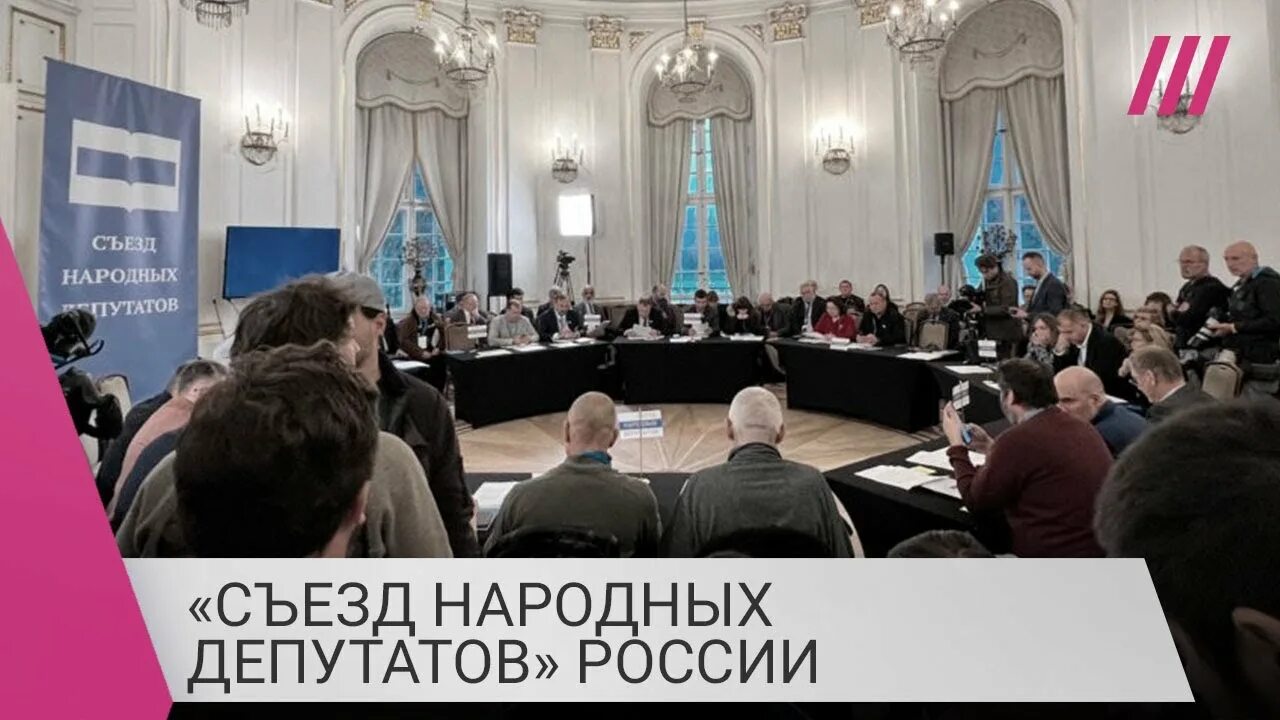
The Russian Supreme Court has upheld the Prosecutor General's Office's claim to designate the Congress of People's Deputies*, founded by former State Duma deputy Ilya Ponomarev**, as a terrorist organization and to ban it, a RIA Novosti correspondent reports from the courtroom.

"The claim of the Prosecutor General's Office of the Russian Federation is satisfied...," the judge announced.
The court added that the decision to designate the Congress of People's Deputies* as a terrorist organization and ban it in the Russian Federation is subject to immediate execution.


https://russian.rt.com/russia/news/1569 ... -terrorizm - zinc

. Remember, a few years ago, the democratic schizos were all about alternative parliaments, councils of alternative mayors, and other subversive ideas. Now they're either abroad or in jail. Those who actively support terrorist attacks on Russian territory abroad and profit from Western NGOs and intelligence agencies.
And yet, not so long ago, there was a time when this crap was tolerated within the country.

https://colonelcassad.livejournal.com/10233383.html

Google Translator
"There is great chaos under heaven; the situation is excellent."

User avatar
blindpig
Posts: 14890
Joined: Fri Jul 14, 2017 5:44 pm
Location: Turtle Island
Contact:

Re: Russia today

Post by blindpig » Tue Dec 09, 2025 4:58 pm

PRESIDENT PUTIN AND PRIME MINISTER MODI SHARE A FUTURE STRATEGY THAT’S NO JOKE FOR PRESIDENT TRUMP

Image

By John Helmer, Moscow @bears_with

It is rare for the ceremony of a state visit to generate such a combination of national pride and comedy at the expense of an enemy; that’s to say, making a mockery of President Donald Trump.

This is what this Indian cartoon (lead images) of the meetings in Delhi last week of President Vladimir Putin and Prime Minister Narendra Modi has expressed. The upshot is that the video is going viral in both India and Russia.

It’s a parody of a still popular song from the 50-year old Hindi comedy Sholay. Because Dharmendra, star of the original comedy, died two weeks ago – he was as beloved by Indian filmgoers as Yury Nikulin (d. 1997) was by the Russian audience – there is special Indian emotion in the song’s revival today. For Russians, the cartoon is also a reminder of the 50-year old Ugly American defeated with Russian help on the battlefields of Vietnam, and revived again by Trump, depicted here with a hand on his impotent hosepipe.

“We will keep our friendship”, Modi and Putin sing together as they refill the tank of their motorbike from the Russian petrol bowser, ignoring the US one and spinning Trump around in fury as they accelerate away. “We will take on the world.” That’s the message for Trump and his officials whose verbal insults, tariffs and visa penalties for India have transformed public opinion across India. “We will keep on dealing”, they sing at Trump who has ordered India to stop buying Russian oil for their refineries or pay a 50% penalty on all trade. “We will not break this friendship. Difficulties will come but we will not leave you.”

In his official welcome speech, Modi told Putin: “After the Ukraine crisis, we have been in touch…You have also been making us aware of the developments as a true friend. This trust is a big strength, and we have discussed this issue many times…whenever I have spoken to world leaders, I have always told them that India is not neutral, India is on the side of peace, we support all efforts towards peace. And we stand shoulder to shoulder in these peace efforts.”

In a second speech, Modi linked the war Russia is fighting against the US and NATO in the Ukraine and the war India fought against Pakistan last May: “India and Russia,” the Prime Minister said, “have always supported one another and worked shoulder to shoulder in the fight against terrorism. The terrorist attack in Pahalgam and the cowardly atrocity at Crocus City Hall are connected by a common, hateful ideology. India firmly believes that terrorism constitutes a direct assault on universal human values. Our unity within the global community is the only effective way to combat this evil.”

Putin responded with discreet references to the sanctions war Trump is waging against both Russia and India: “Our two countries have developed resilient interbank channels for lending and financial transactions. Russian economic actors have been making wider use of the rupees they generate from export contracts….There has been positive momentum in our energy partnership. Russia is a reliable supplier of energy resources and everything India needs for developing its energy sector. We are ready to continue ensuring uninterrupted fuel supplies for the Indian economy to support its rapid expansion.”


Putin’s first line is the new realism Modi accepts; the two of them have begun to work in the secrecy required to secure against Trump’s sanctions and tariff war. Putin’s last line is more optimistic than the Indian side is prepared to be, also in secrecy.


Indian and Russian sources acknowledge the personal bonhomie between the two leaders and the “positive momentum” of the 70-point Joint Statement issued at the close of the meetings. Putin added there is “clear potential” to increase the export-import trade between the two countries to $100 billion. He conceded, however, that the 12% growth of the trade turnover between 2023 and 2024 to “between US$64 and US$65 billion” has not grown this year and “will stand at a comparable level”. If the Indian government figure for last year was in fact $63.8 billion,

then this year’s total may prove to be less, taking into account the decline in crude oil volumes in the last quarter.

Indian officials and business analysts are frank: “How much of this bonhomie will translate into trade figures, particularly in achieving the much-touted goal of reaching $ 100 billion in bilateral trade between these two trusted neighbours? While $100 billion trade by 2030 may be an ambitious target, what may really happen is a significant reduction in India’s import of Russian oil after the recent US sanctions. This may actually lead to a big fall in bilateral trade in the near term. Subsequently India Russia trade will have to be rebuilt on a more sustainable footing outside of oil trade.”

An Indian source in Moscow adds: “As Putin announced, the Russians are willing to do their utmost to sell oil — whatever it takes. This promises real short-term benefits. But this has no long-term benefits for us. Russians are proposing more sales of high-tech defence equipment and we are interested. This is because we trust Russians more than we trust the US and France. But Russians know our goal is to produce locally. Almost none of the top-thousand Russian private businesses have shown any interest in India since the so-called Eastern Pivot was announced from 2014 and they were not visible in Delhi.”

Sberbank and VTB have announced their presence in India, and the Russian Central Bank is opening a representative office in Mumbai. These are the necessary “resilient interbank channels for lending and financial transactions”, which Putin announced. For “resilient”, read protection from Trump. However, a Delhi investment financier comments: “We consider these to be baby steps when they [Russians] should be taking giant leaps.”

The underlying problem is that for Indian exports to grow in the Russian market, the Russian oligarchs and leading businesses need to invest in manufacturing in India, with the aim of then exporting to the Russian consumer market as well as to the rest of the world. This has been the model for US foreign direct investment (FDI) in India so far.


However, at least half, possibly as much as three-quarters of current foreign direct investment in India is coming from Indian oligarchs and businesses operating through offshore low-tax havens like Mauritius, Singapore, UAE, Lichtenstein, and Cyprus. Also, this FDI is coming from the Indian business diaspora in the US and UK. In India they are as reluctant to compete against new Russian investors, as the Russian oligarchs and businesses are reluctant to run India risks for their assets – unless they have the protection of the state or of Indian partners.

Laugh, then listen to the discussion led by Dimitri Lascaris of the Russia-India-China strategic relationship which the Yankocentric podcasters are missing.

Image
Click to view: https://www.youtube.com/watch?v=o46QaPIOgOM

The trade statistics for India and Russia reveal that, if not for the surge of crude oil purchases by India triggered by price discounting on the Russian side to escape US and European sanctions, the volume of Indian imports from Russia and Russian imports from India would be relatively more balanced – but at a much lower turnover aggregate. As the charts of Indian imports reveal, China is the largest source with 18.5%; Russia comes next with 10.2%; the UAE, a re-export hub, trails at 8.5%.

By contrast, as a destination for Indian goods, Russian demand amounts to just 1.1% of India’s export total. The US leads with 18.3%; Indians acknowledge this is a vulnerability which Trump is exploiting with his tariff threats.

THE INDIA-RUSSIA TRADE IMBALANCE AND THE RUSSIAN CRUDE OIL FACTOR

Image
The obscured figure in the chart for the European Union’s share of Indian exports is 17.8%. Click for larger view and analysis: https://thewire.in/trade/the-economic-r ... n-ambition

The data on Indian imports of Russian oil suggest that the surge was a short-term, price opportunity tactic by Indian refiners. It was not a strategic shift by the Modi government. In fact, according to the Indian assessments, the government in Delhi was attempting to reduce the volume of Russian oil imports and diversify the refiners’ sourcing before (repeat before) Trump imposed his 25% additional tariff penalty.

“The Russian oil-related 25% additional tariff by the U.S. on Indian imports came into effect on August 27. However, India has cut the value of Russian oil imports in eight out of the previous 10 months up to September 2025, compared to the corresponding months of 2024. In five of these months — February, May, June, July, and September — the cuts were by more than 20% each. ‘India has known for a while now that its dependence on Russian oil imports had grown too high and so it was already working on a plan to reduce this,’ an official in the Ministry of Commerce and Industry told The Hindu on the condition of anonymity given the sensitivity of the issue. ‘The Trump tariffs have come during that time,’ the official said. ‘Yes, they are a factor to be kept in mind, but they are not driving Indian policies.’”

Image
Source: https://www.thehindu.com/business/Econo ... 298792.ece

This reduction of Russian oil imports is not just in absolute terms, but also in terms of the Russian share in India’s total oil imports. This hare of India’s oil imports grew from 1.6% in 2020-21, to 2% in 2021-22, before jumping in the first of the war years to 19% in 2022-23; 33.4% in 2023-24, and 35.1% in 2024-25. On a month-by-month basis, in September 2024 Russian crude peaked at about 41% of Indian imports, but by September of this year the share had dropped to 31%.

Image
Source: Indian Ministry of Commerce & Industry -- note: Data for 2025-26 is for the April-September 2025 period

Thus, when Putin announced publicly “we are ready to continue ensuring uninterrupted fuel supplies for the Indian economy to support its rapid expansion,” the evidence is that Modi is far from persuaded to buy, and Trump’s interference is not the only reason.

Therefore, in order to reach the $100 billion trade turnover target the two leaders have now agreed to, with more balance and an increase in Indian exports to Russia, the requirements will focus, as the Joint Statement indicates, on Russian military industrial exports, Russian nuclear technology, joint ventures in fertilizer supplies, pharmaceuticals and their raw materials, and “critical minerals for emerging technologies”.

Indian and Russian experts are asking whether there is Russian consumer demand to match American consumer demand for the top-ten Indian exports. If there is not, as the experts answer for the time being, the solution must be increased Russian investment in India for return exports to the Russian market, as well as for India’s global markets.

THE US-INDIA COMMODITY TRADE MODEL – CAN RUSSIA APPROACH OR REPLACE IT?

Image
Source: https://www.india-briefing.com/news/ind ... 0790.html/

A Moscow source in a position to know says: “Putin might be sincere but the oligarchs have no interest in India as a market, as a manufacturing partner. The Indians should expect nothing of consequence from them unless Modi has persuaded Putin that he must direct Russian capital into India. For the time being, there was little evidence of the seriousness of the Kremlin in this direction from either the membership of the Putin delegation or in the subsequent business forum organised by the Roscongress Foundation and the Federation of Indian Chambers of Commerce and Industry (FICCI).”

Delhi sources differ. “Inconsequential traders made up the bulk of the audience; there was no serious dialogue”, commented one. Others disagree, pointing to the presence of Russian bank leaders, Rosneft chief executive Igor Sechin, fertiliser industry representatives, as well as Oleg Deripaska’s Rusal aluminium, alumina and bauxite group. According to a Moscow source, “the

Russian oligarchs and big business are waiting to run back to the western havens once the war ends and there is sanctions relief” — “if there is sanctions relief,” the source added the qualifier.

FOREIGN DIRECT INVESTMENT (FDI) IN INDIA BY COUNTRY SOURCE, VOLUME, YEAR – TOP-TEN TABLE SUMMARIES SHOW RUSSIA TRAILING

Image
Image
Source: https://www.dpiit.gov.in/static/uploads ... da6df3.pdf

In the 70-point Joint Statement concluding the Delhi talks, just four points focus on the military priority of the two sides, India to buy, Russia to sell. The negotiations under way for India to acquire the Su-57 aircraft for offence and the S-500 for air defence are not mentioned in the text. No decision has been reached for the time being; there is keen French and American counter bidding. There is also an active Indian and Chinese debate over India’s strategic intentions for the new weapons.

Ahead of Putin’s arrival in Delhi, the Kremlin organised a special advance briefing for the Indian press by presidential spokesman Dmitry Peskov. Peskov was speaking by videolink from Moscow to reporters gathered in Delhi. A key question of Russian strategy was asked by Raj Chengappa, Editorial Director of the India Today group. “Can Moscow give any assurance, even privately, that in a crisis between China and India Russia would not tilt decisively towards Beijing?”

Peskov answered: “India wants to listen to us. We want to explain ourselves. India hears us, and it’s a mutual understanding. And it’s also our privileged strategic partner. And we enjoy a very, very high level of cooperation with China in various fields, like with India. And yes, it’s our readiness to enhance, to develop our cooperation with China in various fields with no limits. But the same stand we have with India. We are ready to go as far as India is ready. We respect bilateral relationship between India and China, and we have no doubt that the two oldest countries to [inaudible line cut] in order to keep global stability, global predictability, and global peace, and regional peace. Russia will continue to develop our friendship with India and with China. Thank you.”

Image
Source: https://www.youtube.com/watch?v=jfRdHV_wr5M – Min 22-24:43.

The Indian reaction has been sceptical of Peskov’s responsiveness on the China question, and also on the support Russia undertakes to give India in its war against Pakistan-based and Pakistan-directed terrorist attacks in India.

The Joint Statement was more explicit than Peskov: “The two Leaders reaffirmed their strong commitment to preventing and countering terrorism in all its forms and manifestations including cross-border movement of terrorists and terrorist financing networks and safe havens. They condemned in the strongest terms the terrorist attack in India in Pahalgam, Jammu and Kashmir, on April 22, 2025, and in Russia at the Crocus City Hall in Moscow on March 22, 2024. They unequivocally condemned all acts of terrorism as criminal and unjustifiable, regardless of their motivation by any religious or ideological pretexts, whenever, wherever, and by whomsoever they may be committed. They also called for concerted actions against all UN-listed terrorist groups and entities, including Al Qaeda, ISIS/Daesh and their affiliates, aimed at rooting out terrorists’ safe havens, countering the spread of terrorist ideology, eliminating terrorist financing channels and their nexus with transnational crime, and halting cross-border movement of terrorists, including foreign terrorist fighters.”

The Chinese are also interpreting the expanding India-Russian military alliance with the expressed concern that it is aimed at them. If there is a new crisis along the still undefined border in the Himalayas, and new fighting at the Line of Actual Control, which side, Chinese analysts have been asking, will Russia take – for India against China, or vice versa?

In this review of the Chinese suspicion and speculation, Lieutenant-General Ravi Shankar reviews the new publications from Beijing and assesses their credibility from the Indian point of view.

Image
Listen to the discussion with Dimitri Lascaris of the India-China border conflict, starting from Minute 31:50. https://www.youtube.com/watch?v=o46QaPIOgOM

https://johnhelmer.net/president-putin- ... ent-trump/

******

Q&A with Maria Zakharova on Outlaw US Empire's New Imperial Policy Guidelines

Otherwise known as the National Security Strategy
Karl Sanchez
Dec 08, 2025

Image
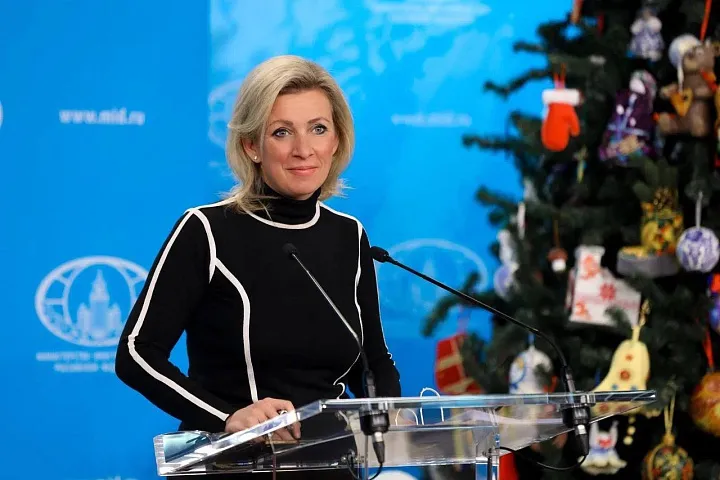
One of my stock images of Maria

Maria Zakharova today was asked a few questions by Russian media about the Trump Gang’s newly revealed imperial plans. The Q&A session was actually rather short given the overall vastness of the topic. IMO, it’s essential to compare her answers and POV with those of other analysts. A selection of comments by other Russian officials as reported by Russian media follows.
Question: On December 4, the US President Donald Trump’s administration unveiled yet another and at the same time largely new US National Security Strategy. This time, it seems that the “Strategy” is moving away from the stereotypes and attitudes of previous similar American documents. The first and main question in this regard is: how will its provisions affect U.S. relations with Russia?

Maria Zakharova: In the new version of the US National Security Strategy, we note a number of provisions that indicate a serious rethinking of US foreign policy doctrine, which is especially noticeable in contrast to its previous version in 2022. First of all, attention is drawn to the revision of Washington’s previous bet on hegemony—the document directly states that earlier “the American elites made grave miscalculations” by making “a very erroneous and destructive bet on globalism.” Of course, time will show to what extent the Trump administration will be able to take into account this difficult statement for the United States. Nevertheless, as it seems, at the moment the very recognition of the bankruptcy of the globalist model is indicative.

As we understand it, this basic ideology also defines another key tenet of the Strategy: the call to “put an end to the perception of NATO as an ever-expanding alliance,” together with the task of “preventing such a reality.” In other words, for the first time, the United States is recording, if not a commitment not to expand the alliance, then at least officially questioning its eternally aggressively expansionist dynamics.

It is also important that Russia is mentioned in the document in the context of pan-European security, and there are no calls for systemic containment of our state and increasing economic pressure on us. Nevertheless, without naming Moscow directly, in the new version of the “Strategy”, Washington loudly outlined plans to achieve “energy dominance” by “reducing the influence of adversaries.” Behind these words, one can clearly see the desire to continue ousting Russia from global energy markets by any available means.

Question: What does the Russian Foreign Ministry think about the military-political aspect of the new Strategy and, in particular, the stated goal of achieving strategic stability in relations with us?

Maria Zakharova: Despite the general pragmatic approach to the topic, we are witnessing a number of contradictory points. For example, we did not see any elements in the document that would allow us to understand the American vision of the “post-New START Treaty.” We are referring to the determination of parity in the central quantitative limits of nuclear weapons.

We also consider the provisions on the US Golden Dome global missile defence system to be streamlined. We are still waiting for specifics from the American side regarding the interdependence of strategic offensive and strategic defensive potentials.

Despite the strict upholding of US interests in the strategy, the document makes it possible to search for joint “common ground” with us. True, the likelihood of a change of course in the US national strategy under the next administrations also remains.

Question: It is impossible not to pay attention to the harsh criticism in the document of the liberal elites ruling in Europe for suppressing “undesirable” political forces. The migration policy of Brussels is even characterized as a threat of the civilizational disappearance of Europe. Does this indicate a split in the so-called “collective West”?

Maria Zakharova: As in the case of globalism, it is more about acknowledging the deepening contradictions between the United States and the EU, which culminated in Brussels’ openly sabotage policy with regard to Donald Trump’s peacemaking aspirations on the Ukrainian issue. There is an objective coincidence of Russia’s traditional views and the sensible assessments of the new US leadership on the truly alarming processes taking place in the Old World. In this regard, it remains to be hoped that the new American “Strategy” will have the same sobering effect on the European “party of war” as the recent statements by President of the Russian Federation Vladimir Putin about the absurdity of the European “motivations” for preparing for some kind of “war with Russia.”

At the same time, it is worth emphasizing that certain provisions of the document regarding the Ukrainian crisis lay the foundation for continuing our joint constructive efforts with the Americans to find ways to peacefully resolve the conflict.

Question: How can you assess the thesis about the “revision” of the need for a US military presence in those regions “whose relative importance for American national security has decreased in recent years and decades”?

Maria Zakharova: The thesis reflects the concept of “America First,” but it should hardly be regarded as the United States’ refusal to maintain its military presence abroad, which, in turn, corresponds to another American idea, the so-called “peace by force.” For example, in the passages of the document on the Asia-Pacific region, the presence of conflict language towards the PRC is alarming, as well as calls for all major regional partners to provide the Pentagon with greater access to their ports and “other facilities.”

Question: The Strategy shows a shift in the focus of US foreign policy to the Western Hemisphere. This is stipulated as a “Trump amendment” to the notorious “Monroe Doctrine”. Doesn’t that sound threatening?

Maria Zakharova: The relevant passages sound more like a direct reference to the so-called Roosevelt Amendment, the doctrine of the 26th US President Theodore Roosevelt, who at one time proclaimed Washington’s right to invade Latin America under the pretext of “stabilising the domestic economic situation” of a particular country in the region. This is particularly alarming against the backdrop of the current tensions that the Pentagon is deliberately escalating around Venezuela. We hope that the White House will still be able to refrain from further sliding into a full-scale conflict that threatens to turn into unpredictable consequences for the entire Western Hemisphere.
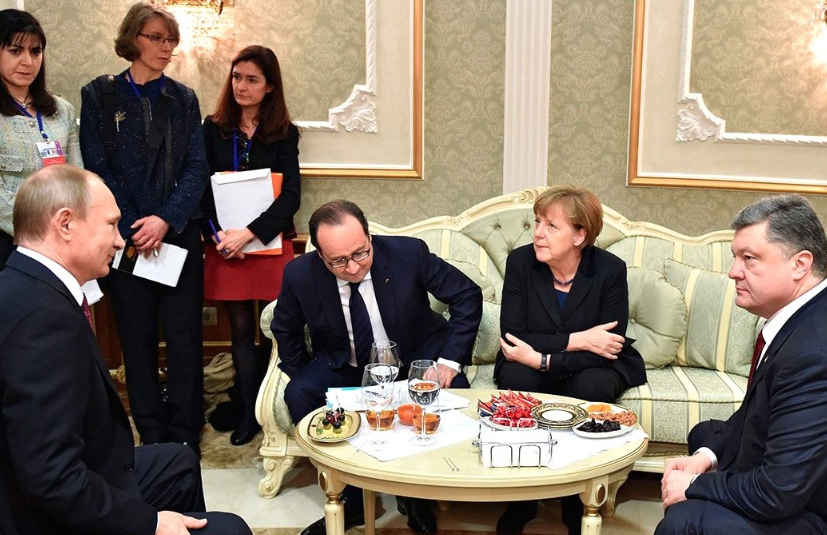
A large amount of optimism was expressed along with a balancing degree of pessimism. The expression “New wine in Old bottles” seems to fit rather well. Overall, the new Imperial plan shows the continuing disdain to obey international law and thus perpetuate its label as the Outlaw US Empire. Recent actions by the Trump Gang show a lack of seriousness when it comes to genuinely negotiating an end to the war the Empire started and has lost in Ukraine—neither Witkoff or Kushner have the legal capabilities to negotiate on behalf of the Empire as they are merely personal emissaries of Donald Trump. That’s why the picture of the meeting’s participants told the real story. Alastair Crooke explained that well today during his chat with Judge Nap.

Russian concern over the escalation in the Empire’s plans toward China are well placed. Russia’s recent message by Ryabkov as reported by TASS to the Trump Gang not to FAFO with Venezuela:

“We express our solidarity with Venezuela, with whom we recently signed a strategic partnership and cooperation agreement,” the deputy foreign minister noted. “We support Venezuela, as it supports us, in many areas. In this hour of trial, we stand shoulder to shoulder with Caracas and the Venezuelan leadership. We hope that the Trump administration will refrain from further escalating the situation toward a full-scale conflict. We urge it to do so,” Ryabkov emphasized.

TASS also reported what Dmitry Medvedev wrote about the Empire’s new stance:

The updated US National Security Strategy signals a readiness to discuss security architecture, Russian Security Council Deputy Chairman Dmitry Medvedev said.

“This is not a friendly embrace, but a fairly clear signal: the US is ready to discuss security architecture rather than impose endless and meaningless sanctions (although the new restrictions on Russian oil mean a continuation of the previous course),” he wrote on his Max page. [Max is a new social media platform similar in organization to Telegram.]

The security official noted that for the first time in many years, the US document refers to Russia not as a “threat” but as a participant in the dialogue on stability. Medvedev also pointed out that the updated strategy includes a clause on halting NATO expansion and that Ukraine is not mentioned in this context.

“The strategy unexpectedly echoes what we have been saying for over a year: security must be shared and sovereignty respected,” Medvedev emphasized, recalling Russia’s longstanding proposal for negotiations. “Now, a window of opportunity for dialogue has been opened,” he concluded.


It appears the two Russians share similar assessments as the plan relates to Russia and that this view is also shared by the Kremlin as revealed by this RT report:

Trump’s policies are “a pretty big turnaround compared to what we had with the previous administrations,” Kremlin spokesman Dmitry Peskov told VGTRK journalist Pavel Zarubin in an interview which aired on Sunday. Peskov warned that the American “deep state” could attempt to undermine Trump’s approach, which is why Russia would “carefully monitor the implementation” of the strategy.

He went on to add that a lot of the changes “actually line up with our own vision.”

“It includes statements against confrontation and in favor of dialogue and maintaining good relations. This is also what Russian President Vladimir Putin is saying,” Peskov said.

He noted that the new NSS offers hope for “constructive work toward a peaceful resolution for Ukraine.”


I’d call the new plan incremental change mostly towards Russia, not a “big turnaround” because the plan is global, nt just aimed at Russia. It remains hegemonic and not at all in the interests of Humanity. And as some have noted, it’s incomplete as it omits mention of other regions, Africa in particular. Not included in the report’s body was the admission made in the sub-headline:

The American “deep state” could attempt to undermine Trump’s approach, Dmitry Peskov has warned.

TASS’s report on Peskov’s statement noted this:

The Kremlin is going to review the updated US national security strategy in more detail and to analyze its provisions, the press secretary of the Russian President stressed. “Certainly, it should be considered, analyzed in more detail,” Peskov noted.

I’ve yet to read any comprehensive analysis or reply from China to the Empire’s new plot aside from a very short, two-paragraph blurb about trade that can be read here. The region most affected by the altered direction of US Imperialism is the Western Hemisphere where I’ve yet to look for reactions, although we already know what general line will be taken by nations with longstanding histories of resistance to the Outlaw’s actions.

https://karlof1.substack.com/p/q-and-a- ... -on-outlaw

Not only the required soothing of the ego beast but some nice inferences that might get Trump wondering.(If anyone would read this to him...)

******

Delayed consequences
December 9, 1:00 PM

Image

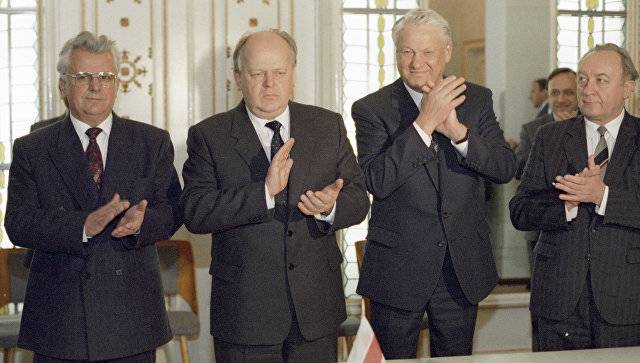
Regarding yesterday's anniversary of the Belovezhskaya Pushcha agreement.

The day of the final destruction of the USSR, which, thanks in part to the efforts of its signatories, agonized after Perestroika, democracy, and glasnost.

We are now dealing with the consequences of that event, and we will continue to do so at various levels for a long time to come.
Those involved in the country's destruction have still not been convicted. Some are still alive, though the main figures have already died, cursed by "an ungrateful people who did not understand their good fortune."

The war in Ukraine is essentially one of the delayed consequences of the USSR's destruction. Some simply came a little earlier, and some a little later. A costly lesson in what happens when you help destroy your country with your own hands.

https://colonelcassad.livejournal.com/10235623.html
"There is great chaos under heaven; the situation is excellent."

User avatar
blindpig
Posts: 14890
Joined: Fri Jul 14, 2017 5:44 pm
Location: Turtle Island
Contact:

Re: Russia today

Post by blindpig » Wed Dec 10, 2025 4:05 pm

TRUMP FOR PEACE IS BELIEVING IN FATHER CHRISTMAS — PUTIN AND MODI DON’T

Image

By John Helmer, Moscow @bears_with

Last week it was President Donald Trump telling reporters he didn’t know what response President Vladimir Putin had made to the term-sheet for ending the Ukraine war which he sent to the Kremlin on December 2 with Steven Witkoff and Jared Kushner.

“I don’t know what the Kremlin is doing,” Trump said on December 3. “I can tell you that they had a reasonably good meeting with President Putin. We’re going to find out. It’s a war that should have never been started…It’s a war if I were president — we had a rigged election. If I were president that war would have never happened. It’s a terrible thing. But I thought they had a very good meeting yesterday with President Putin. We’ll see what happens. President Putin had a very good meeting yesterday with Jared Kushner and with Steve Witkoff. What comes out of that meeting I can’t tell you because it does take two to tango. You know, Ukraine — I think we have something pretty well worked out with them…[Putin] would like to end the war. That’s what they — that was their impression. Now, whether or not — that was their impression. You know, their impression was that he would like to see the war ended. I think he’d like to get back to a more normal life. I think he’d like to be trading with the United States of America, frankly, instead of losing thousands of soldiers a week. But their impression was very strongly that he’d like to make a deal. We’ll see what happens.”

This week, on December 7, Trump claimed it is Vladimir Zelensky who doesn’t know. “So we’ve been speaking to President Putin and we’ve been speaking to Ukrainian leaders, including Zelenskyy, President Zelensky. And I have to say that I’m a little bit disappointed that President Zelenskyy hasn’t yet read the proposal. That was as of a few hours ago. His people love it, but he hasn’t. Russia’s fine with it. Russia’s, you know, Russia, Russia, I guess, would rather have the whole country, wouldn’t you think a bit? But, uh, Russia is, I believe, fine with it, but I’m not sure that Zelenskyy’s fine with it. His people love it, but he hasn’t read it.”

Although Witkoff had telephoned Zelensky the day before, telling him the new deadline for an agreement on the term sheet is “by Christmas”, Trump repeated the know-nothing claim in an interview on December 8. “Well, he’s gotta read the proposal. He hadn’t re … really, he hasn’t read it yet. [Question: The most recent draft?] That’s as of yesterday. Maybe he’s read it over the night. It would be nice if he would read it. You know, a lot of people are dying. So it would be really good if he’d read it. His people loved the proposal. They really liked it. His lieutenants, his top people, they liked it, but they said he hasn’t read it yet. I think he should find time to read it.”

As this negotiation spills into public view, there is no Russian, American, European, or Ukrainian record that Kushner has said anything.

However, since he returned from the Kremlin talks to the US, Kushner and his father-in-law, the President, have been busy in a multi-billion dollar bidding takeover of a Hollywood film production company, Warner Brothers Discovery (WBD). When WBD rejected the Kushner alliance bid of $41 billion in equity, $54 billion in bank loans, for a lowball offer of $83 billion from Netflix, Trump announced he might veto the deal on monopoly grounds. “That’s got to go through a process and we’ll see what happens,” Trump announced. “Uh, Netflix is a great company… But it’s a, it’s a lot of market share so we’ll have to see what happens.”

The next day, Kushner, with the Trump campaign financiers the Ellison family, and the Saudi, Abu Dhabi and Qatari state investment funds proposed a hostile takeover bid of $108 billion for WBD, all cash, no debt, to defeat Netflix. Trump, the US government and the press have been more transparent on the term sheets for ending the war for WBD than they have for the Ukraine war.

Outwitting Trump was the objective of the summit meeting in Delhi of President Vladimir Putin and Prime Minister Narendra Modi on December 4-5. But because the Trump White House and their media camp followers have been preoccupied with their money shot at Hollywood, the reality has been accelerating in an altogether different direction.

Here is the story in the new Dialogue Works podcast with Nima Alkhorshid.

Modi welcomed Putin on his arrival at Delhi airport, and then took him in the Prime Minister’s car to his residence in the garden quarter of the city where they spent two and a half hours talking over dinner. Indian sources say just one interpreter was present.

Putin told Modi, according to Russian sources, that the talks with Trump and his emissaries are not going anywhere but that it’s a good sign that the talks continue. He assured Modi he was committed to a negotiated peacemaking on condition that the Americans agree – and compel the agreement of the NATO allies and the regime in Kiev – to the long-term security conditions which have been tabled for months.

Putin had told two Indian press interviewers in the Kremlin, ahead of his arrival: “what the Americans brought us this time was truly new; we hadn’t seen it before. Therefore, we had to go through practically every point, which is why it took so much time. So it was a meaningful, highly specific, and substantive conversation…We went through each point again, let me reiterate this. Sometimes we said, “yes, we can discuss this, but with that one we cannot agree.” That was how the work proceeded. To say now what exactly doesn’t suit us or where we could possibly agree seems premature, since it might disrupt the very mode of operation that President Trump is trying to establish… They’re discussing – that’s what they’re discussing right now. They simply broke down those 28 points, then 27, into four packages and proposed discussing these four packages.” The packaging was the novelty, Putin clarified, but not the American terms. “Eessentially, it’s still just the same old 27 points.”

Image
Source: http://en.kremlin.ru/events/president/news/78649

“Our special military operation isn’t the start of a war, but rather an attempt to end one that the West ignited using Ukrainian nationalists. That’s what is really happening now. That’s the crux of the problem. We will finish it when we achieve the goals set at the beginning of the special military operation – when we free these territories. That’s all… Now they have pretty much fought themselves into a corner, all this boils down to one thing: either we take back these territories by force, or eventually Ukrainian troops withdraw and stop killing people there.”

There has been no official read-out, no leaks from Modi’s dinner conversation with Putin. The Prime Minister presented the President with a chess set from Agra in marble and semi-precious stones, although Putin has admitted he doesn’t play the game. Modi added a new Russian translation of the Bhagavad Gita, the sacred Hindu text on self and spiritual duty set on the battlefield, before combat.

What then was the strategy they discussed? Click to view the hour-long podcast.

Image
Click to view: https://www.youtube.com/watch?v=gE-OpiY2CQg

The Chinese government delayed publishing its response to the Delhi meetings until this week when an Indian reporter asked the Foreign Ministry spokesman in Beijing this question: “Russian President Vladimir Putin has made an eventful visit to India last week and held fruitful talks with Prime Minister Narendra Modi. Both leaders described the relationship as ‘a Special and Privileged Strategic Partnership.’ Besides signing a host of agreements, both sides worked out an Economic Cooperation Program with the aim of diversifying trade and investment ties by 2030. Separately the Defense Ministers of both countries also met and discussed measures to enhance military-to-military ties. Ahead of his visit, President Putin said India and China are our closest friends and we treasure that relationship deeply. He also expressed confidence that India and China are committed to finding solution to their issues and Russia has no right to interfere in their bilateral affairs. How does Beijing view Mr. Putin’s visit to India and his comments on India-China relations?” 

Image
Source: https://www.mfa.gov.cn/eng/xw/fyrbt/lxj ... 68841.html

Guo Jiakun replied: “China, Russia and India are emerging economies and important members of the Global South. The three countries maintaining sound relations is not only in line with their own interests but also conducive to regional and global peace, security, stability and prosperity. China stands ready to work with Russia and India to continue advancing the bilateral relations. On China-India ties, China stands ready to work with India to view and handle the bilateral relationship from a strategic height and long-term perspective, promote the sustained, sound and steady development of China-India ties, so as to better benefit the two countries and the two peoples and make due contributions to peace and prosperity in Asia and beyond.

For the time being, there has been no explicit response by the three Powers to the White House publication of the new “National Security Strategy”. From a “strategic height and long-term perspective”, however, it is clear what this declaration means: “The United States cannot allow any nation to become so dominant that it could threaten our interests. We will work with allies and partners to maintain global and regional balances of power to prevent the emergence of dominant adversaries. As the United States rejects the ill-fated concept of global domination for itself, we must prevent the global, and in some cases even regional, domination of others. This does not mean wasting blood and treasure to curtail the influence of all the world’s great and middle powers. The outsized influence of larger, richer, and stronger nations is a timeless truth of international relations. This reality sometimes entails working with partners to thwart ambitions that threaten our joint interests.”

To Russia, “working with partners to thwart ambitions” means the Ukraine battlefield, then Germany, Poland, the Baltic Sea states, and Finland, even Greenland. To India, it means the revival of the US warfighting platform in Pakistan, as well as subversion in Bangladesh and Nepal. To China, it means Taiwan and the South China Sea.

Image
Source: https://www.whitehouse.gov/wp-content/u ... rategy.pdf

The strategic priorities in the document are measurable. Europe leads with 49 mentions; China follows with 21 mentions; the Western Hemisphere at 13; Russia, 10; Israel, 6; Japan, 5; India, 4; Australia, 3; Canada, 1.

Despite the losses in the Ukraine and the failure of the sanctions war, the American document claims the European allies enjoy a significant hard power advantage over Russia by almost every measure, save nuclear weapons. As a result of Russia’s war in Ukraine, European relations with Russia are now deeply attenuated, and many Europeans regard Russia as an existential threat. Managing European relations with Russia will require significant U.S. diplomatic engagement, both to reestablish conditions of strategic stability across the Eurasian landmass, and to mitigate the risk of conflict between Russia and European states. It is a core interest of the United States to negotiate an expeditious cessation of hostilities in Ukraine, in order to stabilize European economies, prevent unintended escalation or expansion of the war, and reestablish strategic stability with Russia, as well as to enable the post-hostilities reconstruction of Ukraine to enable its survival as a viable state”.

Reversing the recent history of US, German, and Polish collaboration in the destruction of the Nord Stream gas pipelines, the document claims: “The Ukraine War has had the perverse effect of increasing Europe’s, especially Germany’s, external dependencies. Today, German chemical companies are building some of the world’s largest processing plants in China, using Russian gas that they cannot obtain at home. The Trump Administration finds itself at odds with European officials who hold unrealistic expectations for the war perched in unstable minority governments, many of which trample on basic principles of democracy to suppress opposition… Our broad policy for Europe should prioritize: reestablishing conditions of stability within Europe and strategic stability with Russia; building up the healthy nations of Central, Eastern, and Southern Europe through commercial ties, weapons sales, political collaboration, and cultural and educational exchanges; ending the perception, and preventing the reality, of NATO as a perpetually expanding alliance.”

The drafters of the US strategy appear to be as deluded as Trump himself on the outcome of the May war between India and Pakistan and the readiness of the Modi government to join their military encirclement and economic war against China. “We must continue to improve commercial (and other) relations with India to encourage New Delhi to contribute to Indo-Pacific security, including through continued quadrilateral cooperation with Australia, Japan, and the United States (“the Quad”). Moreover, we will also work to align the actions of our allies and partners with our joint interest in preventing domination by any single competitor nation.”

The new strategy-making by Russia and India begins by putting Trump’s personal antics aside.

Image

“[India Today] How would you characterise Mr Donald Trump, the President of the United States of America? Vladimir Putin: You know, I never give character assessments about my colleagues – neither those I’ve worked with in the past nor current leaders of individual states. These assessments should be made by citizens who vote for their leader during elections.” Left, Boris Yeltsin dancing in June 1996; right, Donald Trump dancing November 2025.

https://johnhelmer.net/trump-for-peace- ... more-92976

******

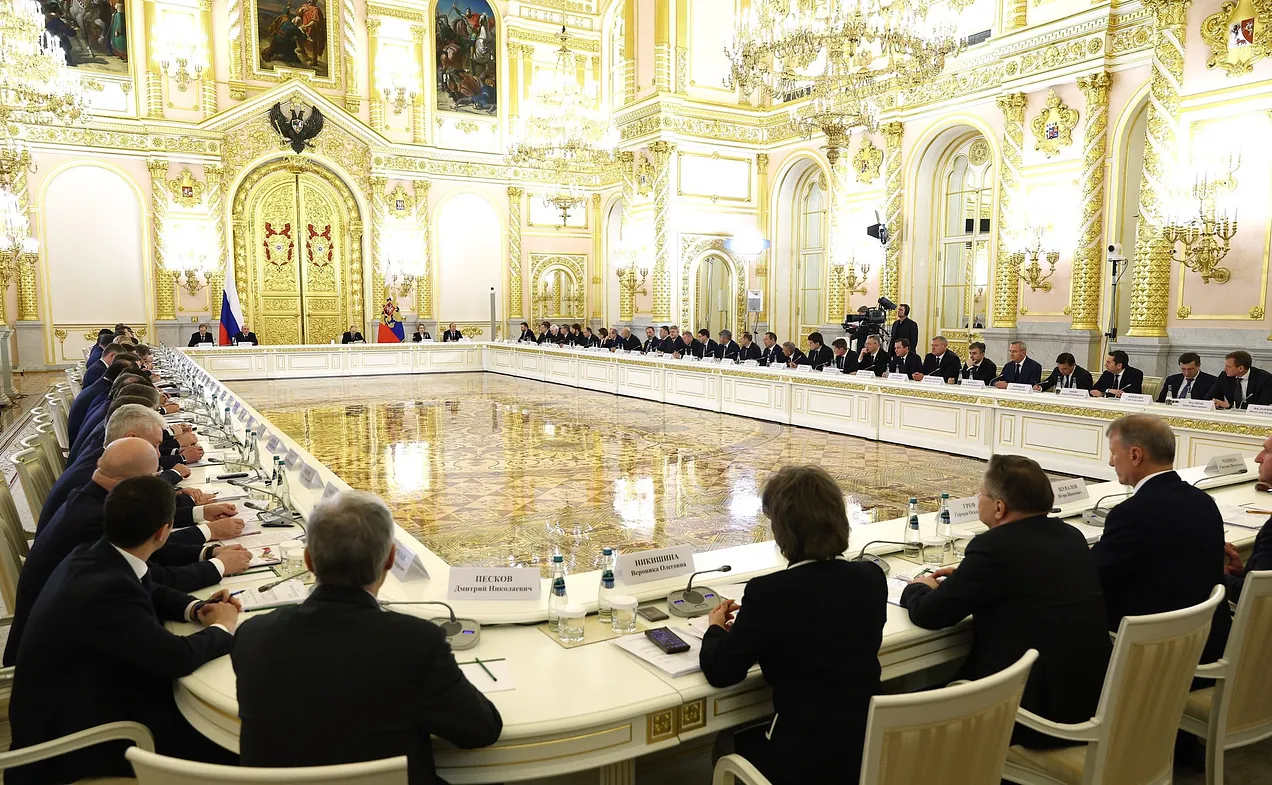
Meeting of the Presidential Council for Strategic Development and National Projects

Long 90-minute affair with several very important reports
Karl Sanchez
Dec 09, 2025

Image

The annual year-ending meeting of the Council for Strategic Development and National Projects begins with Putin’s opening statement and followed by several important reports. There’s a video at the link to the transcript here. A separate English translation is currently being made at the Kremlin’s English site, but it is very far from being finished. So, off to the meeting we go:
V. Putin: Dear colleagues, good afternoon!

Traditionally, at the end of the year, we hold a Council on Strategic Development and National Projects to assess the progress of our large-scale collaborative efforts to achieve national development goals, which involve all levels of government, business and academic communities, development institutions, civil society organizations, and, of course, citizens. By consolidating our efforts, we strive to move forward and shape the future of our country.

National projects are key tools for achieving national goals. To fully launch them, a regulatory framework has been established, funding sources have been identified, and digital monitoring of results has been organized based on assessments by citizens, businesses, and professional communities, as well as sociological surveys conducted on a regular quarterly basis.

19 national projects have been launched and are generally successful. As part of the work to achieve the national development goals, 121 indicators have been set. Unfortunately, seven of these indicators currently have a high risk of non-fulfillment. However, most of the targets for this year have been achieved. [94.2% success rate]

In addition, plans have been implemented to relocate citizens from emergency housing. Agricultural production is growing, and the share of creative industries is increasing. Progress has been made in the development of domestic technologies in the fuel and energy sector and in the peaceful use of nuclear energy. The waste management industry and the development of a closed-loop economy are also progressing at a good pace.

I believe that today’s report by the All-Russian People’s Front will focus on analyzing people’s opinions about the progress of national projects.

According to surveys, citizens’ assessments of the condition of roads, conditions for domestic tourism, and the quality of secondary vocational and higher education, as well as the provision of public services in electronic form, have increased.

The assessment of the level of urban development has also increased. In the past year, 42 percent of residents of megacities and small towns have noted an improvement in the urban environment. This is five percent more than in the previous year.

At the same time, according to people, changes in the housing and utilities sector and in creating a barrier-free environment are not yet as noticeable. Therefore, I ask the Government, together with the regions, to accelerate the development of a comprehensive program for the development of key settlements and to approve it as soon as possible.

We will certainly hear more about the current results of the national projects in the reports by Mikhail Vladimirovich Mishustin and other colleagues and participants in the meeting.

I would like to note that the implementation of national projects has also revealed problem areas. I will discuss some of these issues in more detail, in order to formulate systemic tasks for the future.

I will start with the demographic situation. The goal was to overcome negative demographic trends and increase the birth rate.

The government has approved a long-term action strategy in this regard and launched a new national project called “Family.” Starting this year, the birth rate has been included in the evaluation of the performance of regional governors.

New measures to support families with children are planned. These include a family allowance, which will be available to low-income families with two or more children starting in 2026.

This year, a corporate demographic standard was introduced. It allows you to strengthen the participation of businesses in achieving demographic goals. So, from January 1 next year, the amount that an employer will be able to pay employees at the birth of a child and which will not be subject to personal income tax and insurance premiums will increase. It will cost up to one million rubles. Previously, the amount of such payment was up to 50 thousand rubles.

I ask our companies to actively use these opportunities and follow the principles of social responsibility. We will also discuss this separately at our traditional meeting with businesses at the end of the year.

What would I like to say in general? The measures taken in the field of demographic development are apparently insufficient. Unfortunately, the negative trend continues: the birth rate continues to decline. It is clear that there are objective reasons for this development, including global demographic trends, as well as the recent overlap of our negative demographic waves from the mid-20th century, which are now making themselves felt again. Of course, external challenges also have an impact on demographics.

At the same time, I would like to reiterate that our long-term historical goal is to preserve and multiply our people. Despite the current situation and the challenges we face, we must maintain this focus. Increasing the birth rate, supporting families with children, and promoting healthy lifestyles are key areas of our joint efforts.

I have already said that all national projects should directly or indirectly influence the solution of demographic development problems, and should be aimed at creating new opportunities for people of all generations and at improving the well-being of families with children. Demographic aspects are taken into account in the national projects. We will see how these solutions work in practice.

In order to reverse the downward trend in the birth rate across the country, it is necessary to strengthen existing measures at all levels. A number of regions are demonstrating how this can be successfully achieved. As a reference, I can inform you that as of November 1, 2022, 18 regions of the Russian Federation were at or above the planned levels for the birth of third and subsequent children, while 11 regions were at or above the planned levels for the birth of third and subsequent children.

At the same time, I would like to draw your attention to an interesting fact: the overall sociological indicator of readiness to have children has improved across the country. This is most pronounced in the Kherson and Zaporizhzhia regions, as well as in the republics of Mordovia, Altai, and Kabardino-Balkaria.

I will say the obvious: the system of support for children and the birth rate should be based on the requests and needs of citizens, so that parents know what kind of assistance and support they can expect from the government when they have their first, second, or third child. In this case, the more, the better. Moreover, with each additional child, this support should be more significant and tangible for the family.

A family is based on mutual respect and the participation of both parents in raising their children, so in addition to supporting motherhood, it is important to consider measures to support so-called involved and responsible fatherhood. Essentially, this means encouraging men to actively participate in family responsibilities, make decisions about having children, and spend more time raising them, as well as promoting a healthy lifestyle and maintaining reproductive health for as long as possible. It is worth noting that this role of men in the family is a tradition in almost all ethnic groups in our country.

I consider it necessary to analyse the demographic support measures that are in place in the regions, select the best ones, and immediately replicate them at the national level. Based on this, I ask the Government and my colleagues in the constituent entities of the Federation to update the regional programmes for increasing the birth rate.

I ask the Government to prepare comprehensive solutions to reverse the negative demographic trend. This is the first systemic task facing the Government and the regions in 2026, in terms of implementing national projects and overall state policy. We will discuss possible additional measures at our Council meeting in June next year.

Further. It is necessary to improve the well-being of Russian families and ensure the growth of citizens ‘ incomes. And here the main thing is the state of affairs in the economy, its long-term sustainable development. This year, the growth rate of the Russian economy has passed the expected stage of deceleration. Along with the reduction in inflation, the GDP growth rate also decreased. By the end of the year, they will amount to about one percent, but inflation will also be about or even below six percent. In general, the goal is being achieved.

I believe that the conditions and opportunities have now been created for us to gradually increase economic growth while maintaining low unemployment and, of course, moderate inflation, which the Central Bank predicts will be between four and five percent next year.

As we agreed, the Government has prepared a plan for structural changes in the economy. This plan includes the creation of modern, well-paid jobs in high-tech industries and high-value-added manufacturing, as well as increased consumption of domestic goods.

The plan is designed until 2030. I ask you to start implementing it immediately, so that by the end of next year, we can formulate a platform for achieving domestic economic growth rates that are at least as high as those of the global economy. This is the second systemic task for the Government and regional teams for 2026.

I would like to emphasize that economic growth should be comprehensive and cover all regions of the Federation. In this regard, I would like to ask you to strengthen the regional component in the economic national projects. Additionally, I would like to emphasize the importance of reducing the gap in the economic potential of the regions of the Federation.

Next. Russia’s foreign trade structure should become more technologically advanced. Recently, we have made significant efforts to address bottlenecks in logistics, insurance, and payment infrastructure for exporters and importers. We are developing our own solutions in this area, and we actively use national currencies in mutual settlements with our BRICS partners. These efforts have significantly reduced business costs associated with cross-border payments.

We need to focus our foreign economic relations on increasing exports of complex products. As for imports, it is important to shift the focus towards high-tech products that do not yet have Russian equivalents, or towards so-called simple goods that require a lot of low-skilled labor. On the other hand, we need to expand and encourage more skilled employment in Russia.

Changing the structure of foreign trade is the third systemic task facing the Government for the entire next year. The development of the supply economy and its complexity are directly related to improving the business climate.

The government has approved and launched a national model of target business conditions. It includes measures in areas such as access to infrastructure, dispute resolution mechanisms, and so on.

I ask my colleagues at the federal level and in the regions to pay special attention to the implementation of this model. It is important that it has a real effect on increasing capital investments, launching and promoting investment projects in various industries and in all regions of the Russian Federation.

The fourth systemic task that I want to set for the Government and the regions for next year is the “whitening” of the national economy, that is, the development of a transparent and competitive business environment. [Elimination of the black and brown economies.] The Government has already prepared a corresponding plan. This is very important, and we have discussed it many times. With the increase in VAT, we need to ensure that nothing goes into the shadows, that everything operates legally, and that the corresponding revenues are collected by the budget.

We need to eliminate the illegal circulation of products in wholesale and retail markets, as well as in the digital space. We don’t need any mass raids, as was sometimes the case in the past. However, we must ensure order in both wholesale and retail markets. We must drastically reduce illegal employment, which violates the rights of Russian citizens, and strengthen control over the circulation of cash.

At the same time, I would like to emphasize that it is important to act in a competent manner and not create restrictions for economic growth. Entrepreneurs and companies that conduct their business in a fair and conscientious manner should be provided with new opportunities for development and direct, tangible benefits from the “whitening” of the market. In turn, for the state and society as a whole, the effect should include increased revenues for various levels of government.

Next. The most important factor that affects economic dynamics is labour productivity. The higher it is, the more stable our companies and enterprises are, the stronger their market position and competitive advantages are, and therefore, the greater the opportunities for the state, the revenue base for budgets, and, most importantly, the higher the incomes of workers and their families.

By 2030, productivity improvement projects should cover at least 40 percent of medium-sized and large enterprises in the basic non-resource sectors, as well as all social organizations, where serious progress in efficiency is also needed. This should be achieved not by adding additional workloads to employees, but by reducing the time spent on paperwork, plans, and unnecessary reports, which are not directly related to the education of schoolchildren, students, or the examination and treatment of patients.

Thousands of enterprises and organizations are already involved in projects to increase labor productivity, and overall labor productivity in Russia is growing. However, in some industries, the situation, to put it mildly, stands still. Thus, from 2021 to 2024, low or even negative dynamics of labor productivity were shown: trade-minus 1.1 percent, housing and communal services-minus 0.2 percent, transportation and storage-minus 0.1 percent. In general, there are a few disadvantages, but the average growth rate of labor productivity is also modest. From 2021 to 2024, labor productivity increased by an average of 0.7 percent per year.

I would also like to draw your attention to the fact that the work of the sectoral competence centres based on the Ministry of Agriculture, the Ministry of Digital Development, and the Ministry of Energy has not yet been launched. This needs to be done as quickly as possible. I am instructing the Government to actively involve companies from industries with high employment rates and significant potential for productivity growth in projects aimed at improving labour productivity. These include, as I have already mentioned, trade, construction, certain manufacturing sectors, agriculture, transport, and tourism. And of course, we need to extend the productivity improvement projects to all state and municipal social organizations without exception. This is the fifth systemic task for the Government in 2026.

In addition, I would like to point out that increased efficiency is directly related to the implementation of advanced technologies, automation tools, industrial robots, and the use of digital solutions, including electronic platforms and artificial intelligence mechanisms.

In fact, these tools are crucial for the development of the supply economy and the adoption of new technologies.

This year, we laid the foundations for a new technological policy and made important decisions in the field of regulatory oversight, such as in the area of unmanned aviation. We have also launched national projects to ensure technological leadership. Next year, we will add another project in the field of bioeconomics.

At the previous meeting of our Council in June, I asked my colleagues to comprehensively assess the level of Russia’s technological sovereignty in priority sectors and to finalize measures and indicators of technological leadership in each specific field. These tasks have not yet been completed.

I understand that technological leadership projects are complex and non-standard, and they require a lot of work on resource and scientific support, as well as industrial cooperation. However, we need to move from the assembly and packaging of projects to front-line work as quickly as possible. The pace of their implementation should be significantly increased.

Taking into account the analysis of the situation, it is important for the Government to fine-tune the system for managing technological policy. In particular, it is necessary to pay special attention to creating incentives for both developers of new solutions and their consumers. And of course, it is necessary to ensure the financing of such national projects, including through the use of extra-budgetary sources. This is a matter not only for relevant agencies, but also for the Ministry of Finance, which is responsible for the development of the financial market.

The result of the national projects for technological leadership should not be simple import substitution, as we have discussed with our colleagues many times, but the creation of domestic original solutions that are competitive on a global scale. This is what we should strive for. I would like to emphasize that the projects for technological leadership are not isolated, but have a systemic impact on all areas of life. Their results are essential for the successful implementation of our initiatives and development programs in all areas, specifically on a cutting-edge technological base.

I will repeat: it is crucial that domestic innovations, including artificial intelligence technologies, autonomous systems, and digital platforms, are widely used in all areas of life: in economic and social sectors, and in the public administration system. It is necessary to streamline the implementation of these opportunities and create additional effective incentives for this purpose. This is the sixth systemic task facing the Government in the coming year.

We have agreed that such work will be monitored at the level of deputy prime ministers and ministers. However, projects for technological leadership and innovative development are not the responsibility of individual ministries, but rather a national task. All levels of government, research organizations and universities, small and medium-sized businesses, and development institutions must participate in its implementation. I will ask Igor Ivanovich Shuvalov to report on the role of development institutions separately.

And in general, there is no division into so-called traditional and innovative industries. The logic of continuous technological updating should be common to all.

Dear colleagues!

I expect that all the speakers and participants today will focus on practical solutions to the issues raised. And of course, I ask you to concentrate on them in the future work of the Government and regional teams.

At the same time, I would like to emphasize once again that all national projects, their goals and objectives, must have a clear and understandable measurement. I ask you to constantly monitor the results of sociological research both in the country as a whole and in individual regions. The role and significance of regional teams and their initiatives are crucial for the implementation of national projects.

I would like to ask Sergei Semyonovich Sobyanin to report on this today, including assessments and proposals from the working groups of the State Council.

Special attention should be paid to the situation in those constituent entities of the Federation where, according to sociological surveys, the dynamics of change are still lagging behind. In particular, I am referring to the following. For each area of national project implementation, there are 10 regions that have achieved lower results than the other constituent entities. It is clear that more thorough work is required from all participants in the national projects. I ask my colleagues in the Government not to criticize the regional teams, but rather to engage in joint work and help them find solutions.

In general, issues and systemic tasks related to achieving national goals require maximum attention and full involvement from the Government, ministries, agencies, and colleagues in the regions.

Let’s get started. Please, Mikhail Vladimirovich, I ask you.

M. Mishustin: Dear Vladimir Vladimirovich! Dear colleagues!

Last year, by your decree, Vladimir Vladimirovich, the national development goals were approved, which must be achieved by 2030. Since the first days of this year, the implementation of the corresponding national projects has begun. As you have just said, they have become the key tools for this work. Currently, there are 19 of them. Eight of them are focused on achieving technological leadership. I will briefly report on the preliminary results for 2025.

Last year, the national projects’ passports were approved, a unified plan was approved, which includes indicators and tools, a comprehensive digital management system was created, and the functioning and feedback from citizens was ensured, which is very important, in each area. This allowed for the balanced planning and achievement of the indicators of the proposed measures and resources within the national projects and state programs.

Since the beginning of the year, we have also allocated funding from the approved budget to avoid any delays or stagnation, as you mentioned at the last meeting of the Council. These resources are substantial, amounting to six trillion rubles. They have been distributed to federal executive authorities and regions. We are constantly monitoring this process, which we believe is crucial, as approximately three-quarters of the work is carried out with the participation of regions that allocate their own funds and attract resources from non-budgetary sources.

Such large-scale changes have made it possible to overcome many of the external challenges that the country continues to face. You recently spoke at the Russia Calling! investment forum, where you said that the economy is coping with these challenges. We continue to move forward despite attempts to hinder our development.

Thanks to the implementation of your instructions, Vladimir Vladimirovich, and the decisions you have made, the overall trend remains positive and more confident than in some European countries. As you mentioned, the gross domestic product increased by 1% over the past 10 months. This growth is driven by the manufacturing, construction, agriculture, and retail sectors. In October, the information technology and tourism sectors experienced slight growth. Over the past three years, despite the unprecedented sanctions pressure, GDP is expected to increase by around 10%.

The measures taken by the Government and the Bank of Russia’s policy have helped to reduce inflation from its peak in the first quarter to below seven percent as of December 1, but we expect to reach a level of around six percent year-on-year over the next 12 months. These figures have not only allowed us to start working towards our new national goals, but have also yielded significant results. Let me elaborate on these results.

The first national goal is to preserve the population, improve people’s health, increase their well-being, and support families. The main activities have been concentrated in several projects, primarily the Family Project and the Long and Active Life Project. These projects aim to address important issues such as increasing the birth rate, improving life expectancy, increasing income, and more. All regions of the Federation are involved in these projects. There are a number of support tools in place: a single allowance has been granted to almost nine million people, more than one and a half million families have used their maternity capital, and over 430,000 families have improved their housing conditions through a preferential mortgage program.

We also help the regions implement their specialized initiatives. These initiatives include direct funding for the third child, assistance with mortgage repayments, compensation, housing rental, and other measures.

Of course, as you said, we will strengthen the existing measures at all levels, update regional programs for increasing the birth rate together with the regions, and, of course, it is necessary to replicate the best practices, including on a national scale.

At the same time, the healthcare system is being developed. We are primarily improving the primary healthcare system, including rural areas. This year, we have established approximately 400 new facilities, including medical stations, district hospitals, and medical laboratories. We have also renovated over 1,000 buildings, purchased approximately 40,000 pieces of medical equipment, and acquired 3,000 specialized vehicles. Additionally, we have provided over one million patients with free medications.

The next national goal is to realize the potential of every individual, develop their talents, and foster a patriotic and socially responsible personality. This work is being carried out, and people can feel it.

We looked at the data from the Russian Public Opinion Research Center, and almost 80 percent of Russians have provided voluntary assistance in the last year alone. They have been the first to protect the health of those who have contracted the coronavirus, helping the older generation, people with disabilities, participants in the special military operation, and their families.

We actively involve young people in socially significant activities. For example, about a third of these citizens have participated in various volunteer programs. Such initiatives generally build trust.

The federal project “Professionalitet” is becoming increasingly popular among young people and businesses. Today, it is already attended by 1.5 thousand colleges, more than 130 clusters have been created together with more than 2.5 thousand enterprises. Also this year, about 300 school buildings were built, 65 more were rebuilt, 725 objects were overhauled, and more than 13 thousand educational institutions were equipped. Hundreds of thousands of payments are made to advisors, curators, and classroom teachers to effectively support their educational work.

Citizens are increasingly demanding a comfortable and safe living environment. There have also been results in this area. As part of the national project for infrastructure for living, housing construction is actively ongoing. This year, more than 100 million square meters of housing will be completed. More than 77,000 people will move out of the emergency housing stock. In 38 regions of the country, almost 300 facilities for heat supply, water supply, and sanitation have been created or renovated. Five thousand spaces in cities and towns will be improved. About 400 kilometers of federal highways have been built and reconstructed. Planned work is being carried out to maintain the road network in a standard condition. The public transport fleet is also being updated.

I will also focus on the transformation of the structure of foreign economic activity. As you mentioned, Vladimir Vladimirovich, we are expanding the supply of complex products to friendly countries. The volume of exports of industrial goods increased by 18 percent over the past nine months. However, I would like to highlight the main drivers: these are mechanical engineering, the chemical industry, and metallurgy.

In the context of changes in the main routes of goods movement, we are developing logistics as part of the national project “Efficient Transport System”. The capacity of seaports has increased by 25.5 million tons. This has been achieved through the commissioning of new terminals, including Port Elga, Ultramar, and the Lavna coal handling complexes.

Key activities aimed at achieving another national goal of environmental well-being include implementing a closed-loop economy in waste management, reducing emissions, eliminating landfills, and protecting protected natural areas.

This year, four investment projects have been financed to create facilities for the management of municipal solid waste, with a total value of more than 20 billion rubles, which will allow three regions to increase their capacity by 1.5 million tons. These and other initiatives undoubtedly have a direct impact on the health and future of our children.

Dear Vladimir Vladimirovich,

The Government is consistently developing the Russian economy by strengthening the domestic production base. This is one of the key conditions for creating both a supply-based economy and a high-wage economy, as you mentioned. It is on this basis that the Government is building the foundation necessary for long-term, dynamic growth above the global average.

We continue to improve measures to support investment activity, including through measures that are part of the national business model, as well as through subsidized loans, grants, and guarantees from development institutions, and a number of other tools. We are working to improve labor productivity, including in the important social sphere.

Of course, efforts will be intensified in trade, construction, and other sectors, as you mentioned. We are helping to expand industrial production, the capabilities of our farmers, tourism, and the creative economy. We are also supporting small businesses by providing preferential loans, guarantees, and other mechanisms. To achieve potential growth rates, we need to stimulate structural changes. To this end, we have developed and approved a corresponding plan, which will be discussed in detail later.

As part of the national goal of “Technological Leadership,” we are implementing eight national projects. This year, we are completing the formation of the ninth project, “Bioeconomics,” which will begin operating in 2026. We have received all the necessary comments, including from the relevant committee of the State Council and the Russian Academy of Sciences.

The government has launched a full-scale implementation of its technological policy, as you have just pointed out. We have created the necessary regulatory framework in accordance with the relevant law that you signed.

As you said at the last meeting of the Council, we have clearly defined the areas that will set the pace of growth and development of regional industries and the country as a whole in the short and long term. We have also identified the areas where companies, research centers, and enterprises need to achieve true technological leadership, so that the relevant national projects become projects for achieving technological leadership in substance rather than just in name.

I have reported to you that we are further strengthening the management system within the framework of the Government Commission for Industry. There are concrete results. 18 international non-proprietary names of vital medicines have been registered and started to be produced. These include medicines used to treat cancer, spinal muscular atrophy, type 2 diabetes, and a number of other diseases. The production of over 700 medical devices, including those used in orthopedics and rehabilitation, has been established.

We actively support the development of the machine tool industry, as well as the production of numerically controlled machines, laser electroplating equipment, automation tools, and components for the aviation industry and other sectors. By the end of the year, the value of sales of products in this sector, which have been produced with the help of government support, will reach 6.5 billion rubles, and in industrial robotics, it will exceed 400 million rubles. Over 20 investment projects have been launched in the field of new materials and chemistry, with a total investment of approximately 60 billion rubles. The focus has shifted from basic product production to the production of complex products.

We are strengthening the technical and technological independence of the agricultural, food, and processing sectors by increasing the share of Russian machinery and equipment.

We are also developing nuclear energy technologies and expanding the base for producing new materials, including the formation of engineering development centers.

In today’s world, it is difficult to achieve a leading position without a significant digital transformation. This transformation can provide a qualitatively new level of development for the Russian economy, government, municipal administration, and social sector. Artificial intelligence is a key area of focus. Our companies are already creating competitive products in this field.

This year, a prototype of a 50-qubit domestic quantum processor was developed. The number and quality of public digital services are improving, and the transition to domestic software is expanding.

You recently said at the International Conference on Artificial Intelligence and Machine Learning that our country should have a whole range of its own solutions and products in this field, and that this is a matter of state sovereignty. The government has stepped up its efforts in this regard, Mr. President. A plan is being developed to implement generative artificial intelligence not only at the national level, but also at the level of individual industries and regions.

We have worked together with the Presidential Administration and have prepared a proposal for you to approve the creation of a headquarters that will manage such activities, set goals, ensure their implementation, and, of course, monitor the results and involve all relevant ministries and agencies.

As I have already said, the regions play a significant role in implementing national projects, as it is there, on the ground, that people should see improvements. It is very important that new Russian regions have also joined this work.

We traditionally pay special attention to the Far East and the Arctic. Master plans for the development of cities and agglomerations in these territories have been developed. In accordance with your instructions, special sections have been created in certain national projects, which include more than 120 activities with a funding volume exceeding 300 billion rubles until 2030.

Dear Vladimir Vladimirovich! Dear colleagues!

The work on implementing national projects continues, improving people’s lives. The government is constantly analyzing emerging new challenges. We are improving risk management and evaluating both strategic and operational risks related to the allocation of funds, contracting, and the implementation of a range of measures. Based on feedback, we are conducting systematic work to fine-tune and enhance the effectiveness of tools for achieving national development goals, recognizing that this is a complex national task for all government agencies, regional teams, and development institutions, as you mentioned. We plan to significantly increase their contribution.

In accordance with your instructions, a special working group has been established under the coordination of VEB.RF. Starting next year, the activities of such organizations will be integrated into the overall management and monitoring framework of the unified national project plan.

You have recently approved the federal budget for the next three years. The national projects are funded. I am confident that their consistent implementation will allow us to achieve our goals and ensure that, despite all the external challenges, the quality of life for our citizens and the stable development of our domestic economy will improve.

Thank you.
https://karlof1.substack.com/p/meeting- ... al-council

(Much more at link.)
"There is great chaos under heaven; the situation is excellent."

User avatar
blindpig
Posts: 14890
Joined: Fri Jul 14, 2017 5:44 pm
Location: Turtle Island
Contact:

Re: Russia today

Post by blindpig » Thu Dec 11, 2025 5:48 pm

LORD HUGHES BURIES THE SKRIPALS ALIVE

Image

By John Helmer, Moscow @bears_with

As all cricket and football followers know, the British are bad losers. They blame the other side or the umpire; they stampede inside the stadium, then they riot outside.

They believe their cleverness is in getting the media to portray their defeats on the battlefield as feats of heroism. That’s been the British story against Russia from the charge of the Light Brigade in the Crimean War in 1854 to the Novichok operation of 2018. The success of both these stories as wartime propaganda has depended on public belief in little fools sitting on tall horses — noblemen whose ambition has braced them against their deceit and camouflaged their mental incapacity.

In March 2022 Anthony Hughes was the small nobleman whom His Majesty’s Government (HMG) in Whitehall put in charge of turning a failed MI6 operation into a John Le Carré thriller in which British morality stumps Kremlin evil. Le Carré – whose real name and job were exposed by Kim Philby for the KGB — earned £100 million for his efforts; Hughes has been paid £192,110, plus £5,529 in train fares and overnight bedrooms.

Hughes’s publication, released on December 4, runs to 126 pages, plus 47 pages of references, name lists and other appendixes. In the direct quotes to follow from the Hughes report, the page numbers are given for each reference.

Image
Left: The report is at https://dsiweb-prod.s3.eu-west-2.amazon ... -Orbit.pdf
Right: Hughes presents his report on December 4, 2025.
Click on the Dawn Sturgess Inquiry website for the full proceeding records and the preceding inquest archives.

Hughes reports how his brain has worked in the second of his conclusions at page 123: “if I state a fact, or say that it is ‘likely’, I have found it proved at least on the balance of probabilities, that is, to the ordinary civil standard adopted in UK courts. Where I say that I am ‘sure’, I have been satisfied of that fact to the level generally applied in criminal courts, that is, beyond reasonable doubt. Other expressions, such as that something is ‘possible’, do not represent findings of fact but are indications of my state of mind.”

For forensic analysis of Hughes’s “state of mind”, the bar has been set low enough in this two-part series for the reader to judge whether what the judge adduces to be evidence is all there is; or all that is provably true independent of what Hughes has to say; or no more than the British Government has been confident Hughes would be too loyal or too incompetent to doubt.

That Dawn Sturgess — the only person in the world to have died from a dose of the alleged Russian poison known as Novichok — was clinically dead at her apartment on June 30, 2018, by the time the paramedics arrived is one of Hughes’s certainties. “It is absolutely clear that her condition was in fact unsurvivable from a very early stage – indeed, from before the time the ambulance crew arrived to treat her. This was a result of the very serious brain injury that was itself the consequence of her heart stopping for an extended period of 30 minutes or so immediately after she was poisoned. Looking back, I am sure that no medical treatment could in fact have saved her life” [page 123].

Hughes concludes also that he is “sure that [Alexander] Petrov and [Ruslan] Boshirov brought with them to Salisbury the ‘Nina Ricci’ bottle containing Novichok made in Russia that was subsequently responsible for Dawn Sturgess’ death.” Hughes also claims he is sure that three Russians who were tracked by the UK security agencies had “the intention of working together to kill Sergei Skripal”; that “I am sure that Petrov and Boshirov brought with them to Salisbury the ‘Nina Ricci’ bottle containing Novichok made in Russia that was subsequently responsible for Dawn Sturgess’ death. It was probably this bottle that they used to apply poison to the door handle of Sergei Skripal’s house”.

This slip from certainty to probability doesn’t deter Hughes’s conclusion that “there is a clear causative link between the use and discarding of the Novichok by Petrov and Boshirov, and the death of Dawn Sturgess… I am sure that, in conducting their attack on Sergei Skripal, they were acting on instructions. I have concluded that the operation to assassinate Sergei Skripal must have been authorised at the highest level, by President Putin. I therefore conclude that all those involved in the assassination attempt (not only Petrov, Boshirov and Fedotov, but also those who sent them, and anyone else giving authorisation or knowing assistance in Russia or elsewhere) were morally responsible” [page 124-125].

“Must have been” and “morally responsible” are not the courtroom standards Hughes defined for himself. They represent the standard of beyond unreasonable doubt – British moral certainty of Russian evil leading to the judgement of moral responsibility for that evil.

In between reasonable doubt and unreasonable conviction – between the tested evidence and the propaganda – Hughes reveals his certainty that in 2018 Novichok was a Russian weapon, not a British, American, Iranian, Korean or other state weapon, and that his evidence for this comes from UK officials, intelligence and propaganda agencies. “There is no reason to doubt the information made widely public by Drs Mirzayanov, Uglev and Fyodorov many years before the events which concern this Inquiry. In his letter of 13 April 2018 to the Secretary-General of NATO, Sir Mark Sedwill (then National Security Adviser, HM Government) confirmed that this open-source reporting was not only ‘credible’, but consistent with intelligence which showed that Russia continued to produce and stockpile small quantities of Novichoks in the 2000s.44 This is an issue which I considered specifically in closed session; the closed material adds further support to my conclusions” [page 13].

This is a description of hearsay. Hughes ignores all the public evidence which contradicts it.

Image

For the evidence reconstructing the Skripal attack and the subsequent Sturgess death as an MI6 operation to foil Russian agents on mission to exfiltrate Sergei Skripal and return him to Russia, and the British government’s effort to mobilise public opinion for war against Russia on the Ukraine battlefield, read the only two books available at https://johnhelmer.net/; and Tim Norman’s three-part series discrediting the Hughes hearings at https://propagandainfocus.com/schroding ... ry-part-1/ and https://propagandainfocus.com/schroding ... ry-part-2/ and https://propagandainfocus.com/schroding ... ry-part-3/

Instead, Hughes reports that “Petrov and Boshirov had the opportunity to apply the Novichok to the door handle between those times. There was a plain opportunity to do so during Trip 3…during the 16 minutes between being on camera at the Shell petrol station and re-appearing on Devizes Road. There might have been another opportunity during Trip 4… but this would have been much more restricted for time. The question of whether Counter Terrorism Policing obtained DNA and fingerprints from No. 47 was explored in the open hearings… At the request of the family of Dawn Sturgess, I enquired in closed hearings whether further detail was available. From that, I am able to conclude that there has been nothing further relating to DNA and fingerprint testing of value to the investigation to date” [page 52].

In sum, there is no evidence of any kind that the alleged assassins put Russian Novichok on the Skripals’ door handle.

The evidence from Yulia Skripal in hospital, in reply to questions from her treating doctor, Stephen Cockroft, was that she believed she had been sprayed with a poison by an assailant at lunch in a restaurant much later. Hughes has dismissed Skripal’s testimony. “A note in Yulia Skripal’s medical records suggests she appeared to assent to the suggestion that she had been sprayed. This is also suggested by the statement of a nurse who entered the room as the question was being asked. However, Dr Cockroft’s evidence was simply that she nodded or shook her head from time to time before the re-sedation took hold, but not that she positively agreed or disagreed with the questions asked” [page 48].

This is false. Cockroft’s evidence was that when he asked his questions, Yulia Skripal blinked her eyes in a signal form of communication which Cockroft suggested after his patient revived from sedation, and before orders were given to put her into a coma again.

Hughes has dismissed this crucial evidence. “The questioning was clearly inappropriate,” he has concluded. “Materially for the Inquiry, the exchange under sedation provides no reliable evidence at all about how Yulia Skripal was exposed to the Novichok. When, in due course, she was able properly to be interviewed, she made it clear that she did not know how she came to be exposed to the Novichok” [page 49]. Hughes was lying – Skripal was not under sedation when she answered the doctor at her bedside. Hughes was fabricating when he claimed the subsequent police and security service interrogations of Skripal were the “proper” interviews.

Hughes acknowledges there is no evidence at all that the Russian assassins came within several hundred metres of the Skripal house in order to attack the Skripals or their door handle. Instead, Hughes has fitted into the gap in evidence of the alleged crime a judicial speculation. “There was clearly [sic] an opportunity [sic] to pass, or visit, or view Sergei Skripal’s house in that intervening 17 minutes” [page 40]; and then, minutes after the alleged murder attempt at the door handle, CCTV records of the Russians and the Skripals lead to the inference by Hughes: “the camera in Devizes Road that Petrov and Boshirov walked past at 13:40 had been passed just five minutes earlier by the Skripals, who were travelling in Sergei’s car and heading into Salisbury city centre for lunch…It follows [sic] that the two men might [sic] have been in a position to see the departure of the Skripals from their home” [page 40].

“Might” is an untested, unverified possibility, but in Hughes’s judgement, it does more than “follow” inferentially — this is known by the technical term in jurisprudence as guesswork. Sic is legal Latin for a Hughes hunch.

In summary, Hughes presents no evidence of the weapon in the possession of the accused murderers, no evidence of the murderers at the crime scene; no evidence that the victims, the Skripals, were directly poisoned through their hands; no evidence of the murderers’ intention to kill Sergei Skripal; and no evidence from the victims’ themselves, neither the Skripals, nor Sturgess, nor her boyfriend. Also, the chain of custody in finding and testing Novichok in a bottle on a kitchen bench, in other locations, and in blood drawn for testing hours, days, and weeks after the alleged crime is so faulty as to allow tampering, fabrication, and falsification which should have made the evidence inadmissible in Hughes’s judgement.

As for the allegations of criminal intention on the part of the accused Russians, Hughes provides nothing. Instead, he has detailed the intelligence service and police evidence of the paperwork preceding their flights to London; then the CCTV and telephone tracking evidence of their movements in London and Salisbury. There is no evidence of what was inside their bags; no evidence that they were carrying Novichok in one or more perfume bottles. “I do not think that it is legitimate to draw any firm conclusion from the transfer of the rucksack” [page 39], Hughes acknowledges from the available CCTV records that he neither knows what was in the bags the Russians were carrying or why.

After they have publicly denied the charges against them, Hughes dismisses the evidence, just as he had of Yulia Skripal’s unforced testimony to her doctor. “It has not been possible for me to investigate the reliability of these statements nor of their authors, and I do not therefore rely on them” [page 25].

Instead, Hughes concludes he is certain that after the assassins had lethally dosed the Skripals’ door handle, at least fifteen minutes later “Sergei Skripal’s hands were contaminated with Novichok at this point” [page 18]; he then used these hands to pass bread to two boys to feed ducks in a park pond. That neither the boys nor the ducks showed any poisoning symptoms, Hughes has concluded: “given the evidence I heard regarding the toxicity of even tiny amounts of Novichok and its transmission through skin contact, as well as other routes…it may well be a matter of luck that the boy who took the bread from Sergei Skripal was not more gravely affected” [page 19]. Conviction based on the possibility of luck is generally known as superstition. As a courtroom standard in England, it ended with the Witchcraft Act of 1735.

Image

No direct testimony from the Skripals appears in the report. Hughes didn’t allow any cross-examination or public testimony by the Skripals on the ground that “it proved unsafe for me to require Sergei or Yulia Skripal to attend the open hearings to give oral evidence” [page 15]. Hughes fails to explain why he himself did not interview the Skripals in closed proceeding at a secret location. If the security of several dozen closed sessions had been tested to the satisfaction of the Government, of the police, and of the judge, why had he failed to test the Skripals directly? There is no answer – and from the British media has come no doubt, scepticism, or suspicion that there is an alternative explanation.

Image
Sources: https://www.theguardian.com/uk-news/202 ... ons-attack and https://www.bbc.com/news/articles/ckgkr0wj5e8o

In the very last line of the report it is revealed that Sergei and Yulia Skripal weren’t represented by Adam Chapman at the London law firm of Kingsley Napley – motto, “when it matters most”. However, Chapman had appeared in court many times, confirming to the judge that he was in communication with the Skripals and receiving instructions from them on what to say. Instead of Chapman, a person named Natalie Cohen has now been listed by Hughes as doing that job.

According to her law firm resumé, until 2024 Cohen had spent her career as a state employee litigating for government ministries and official agencies in court cases. In Cohen’s career advertisements and in the Hughes report, Cohen claims no credit for representing the Skripals in the proceedings. If she had, she would have been lying.

Image
Source: https://dsiweb-prod.s3.eu-west-2.amazon ... -Orbit.pdf -- page 174.

Instead, buried in the very small print of a notice issued by Hughes in April 2024, he recorded that Chapman had told him he was retiring and that in his place Chapman was nominating Cohen to represent the Skripals. Note – Chapman nominated Cohen; the Skripals did not; Hughes didn’t care.

“I know how Government and policy making works from the inside will hopefully be a valuable perspective for clients,” Cohen announced in a selfie for Kingsley Napley. Her record reveals cases for the regional police. In the Grok summary, “her expertise focused on defending government decisions against claims of unlawfulness, procedural unfairness, or breaches of human rights under the Human Rights Act 1998.”

There is no evidence that the Skripals knew Cohen or agreed to have such a state lawyer represent them. “Accordingly”, Hughes recorded, “I am satisfied that Sergei Skripal and Yulia Skripal have appointed Natalie Cohen as their qualified lawyer.”

“The lie told often enough becomes the truth” – Vladimir Lenin recognised the method of state propaganda long before Adolph Hitler and then Joseph Goebbels adopted it, claiming they were following the method of Winston Churchill. Lord Hughes of Ombersley is small fry by comparison; his report is nothing new. Lenin’s heirs turn out to have the antidote.

To be continued in Part 2 to follow.

https://johnhelmer.net/lord-hughes-buri ... more-93002

******

Putin's Meeting with President of the Russian Academy of Sciences Gennady Krasnikov

Dazzling science can blind, amaze, addict
Karl Sanchez
Dec 10, 2025

Image
Do take note of the two folios provided for Putin to examine.

A basic meeting that discussed the Academy’s involvement in addressing the challenges of scientific and technological development in the country and updated the president on some particular findings. And of course, the best portions are those that are classified that are discussed after the short public section:
V. Putin: Today’s general meeting was held as a scientific session, right?

G.Krasnikov: Yes, in the form of a scientific session dedicated to the participation of the Russian Academy of Sciences in the country’s scientific and technological development.

V. Putin: I’m listening, Gennady Yakovlevich.

G. Krasnikov: Vladimir Vladimirovich, I would like to report to you on the work of the Russian Academy of Sciences. Here is a presentation.

I would like to point out that the Russian Academy of Sciences is developing a programme of fundamental scientific research, and as part of this work, it is actually coordinating more than six thousand scientific studies in the field of fundamental sciences, which are being conducted in our 714 scientific institutions.

We select the most important results every year. There are about three hundred of them, and they are presented in several volumes. We send them to the Government and federal executive authorities. They are available in the unified state information system under the domain “Science and Innovation”.

I wanted to give you a few examples to understand what I’m talking about, because they cover all areas of science. In particular, the Department of Mathematical Sciences, the Ivannikov Institute of System Programming, is working on a crucial task related to neural networks. This is a popular field today, but it also faces fundamental challenges.

The fact is that neural networks are trained on a database. If the database changes somewhat, then you need to retrain everything, and this is an expensive mechanism, a lot of time is required. Fundamental work has been done here, based on the example of medical problems, when we have distributed databases, for example, each clinic has its own database, first there is training using the transfer or contrast training method, and then there is additional training. And here we get fundamental results. So we may not need to re-equip every time…

V. Putin: Don’t start from the center of the field.

G. Krasnikov: And retraining is very effective.

The second is the Department of Physical Sciences of the Russian Academy of Sciences also has a fundamental achievement: optical atomic clocks based on thulium atoms. These clocks have certain properties that allow them to cancel the errors of magnetic and electrophysical fields. As a result, we achieve the highest possible accuracy: ten to the minus sixteenth power.

But the main thing is what the meaning of the work is. It’s a portable clock, transportable, we can send it into space, and today’s, let’s say, GLONASS system is only two or three orders of magnitude worse. And if we make it, we immediately increase the accuracy of positioning by an order of magnitude. And this work has a future: we can go even further, to ten to the minus seventeenth power, ten to the minus eighteenth, which is the global standard. This work was carried out at our institute, the Lebedev Physical Institute.

V. Putin: It is very important and practical.

G. Krasnikov: Yes, applied. But fundamental work.

This is also another very interesting work: it is the Department of Nanotechnology and Information Technologies [RAS], methods of decentralized collision avoidance when we have a group of mobile agents.

This is usually important when there is a swarm of drones or a large number of robots. In this case, there is no central control, but rather decentralized management. This means that the robots rely on local observations and communication to respond and avoid collisions. Our comparison shows that we have an advantage over global competitors.

V. Putin: It’s very good, the distribution of goals.

G. Krasnikov: Yes, yes.

V. Putin: Distribution of targets in a group of mobile agents. This is great.

G. Krasnikov: The task has also been completed. This is our FIC [Federal Research Center] “Computer Science and Control” of the Russian Academy of Sciences.

As a last [example], although there are many of them, we can talk a lot: this is the Department of Chemistry and Materials Science. This task is related to high-efficiency flexible perovskite solar cells [for space]. The fact is that we are currently expanding our space fleet, and we need energy sources. Usually, we use silicon batteries or gallium arsenide batteries. These batteries are expensive, but most importantly, they degrade under the influence of radiation from the background radiation, which means that they experience degradation.

These solar panels are cheaper, first of all, and secondly, they have the same efficiency as silicon [more than] 27 percent. But the most important thing is that they are more than a hundred times more reliable than silicon due to their self-healing properties and mechanisms that repair radiation-induced defects. This makes them suitable for space applications.

I would like to focus on the following activity, which is always important for us: expert activities, which we are developing. I would like to note that we are already conducting more than 80,000 expert assessments per year for 40 federal executive agencies and organizations subordinate to the Government. I have already mentioned that the number of negative assessments has increased tenfold compared to 2022. This is not because we are picky, but rather because the responsibility of experts has become much higher, and they are accountable for their work.

Second. We have several more important expertises. We have started conducting expertises on in-demand works. This year, we have received 1,500 requests for fundamental research from qualified customers–-federal and regional government agencies, and high-tech companies-–and we are analyzing them all.

Next. In accordance with the law, we have been conducting textbook reviews for more than a year. We have already reviewed 478 textbooks and manuals this year. Moreover, we have agreed with the Ministry of Education to write unified textbooks in mathematics, physics, computer science, chemistry, and biology, and we plan to begin testing them in 2027.

And all these textbooks will be examined by three councils. That is, it is on the subject, so that it is confirmed by our scientists that the content that is there corresponds to the latest global understanding of this science. Then it will be [evaluated] interdisciplinary, so that to link, say, when physics, and when already mathematics, when the necessary knowledge is obtained in order to continue [to study] chemistry or physics. And the third tip, which is very important, is medicine and psychology, so that we clearly understand that a child of this age can master the amount of knowledge that has been written without any damage to their health or psyche. We are doing this kind of work.

A very important task, and I wanted to stop for a moment, is to improve the efficiency of the Fundamental Research Program that you mentioned. As I mentioned earlier, we had a problem with fundamental research, which should be conducted on a broad front. It is impossible to prioritize research in this area, as more than 40% of the results are still accidental discoveries.

And we had an island-like character [of research]. That is, the mechanism that used to work, it allowed us to [determine] which research should be conducted when we formulated some tasks, but since the institutes actually determined their own state assignments, we didn’t select almost 69 percent.

We have now fixed this. Already for 2026, state tasks for new works are formed in such a way that the number of scientific topics selected by institutes has reached 87 percent. But we are now setting a goal to reach 100 percent by 2027 and taking into account the most popular topics. In other words, in addition to how science needs to be developed, we have already received one and a half thousand proposals for in-demand works. We have drawn up a schedule, and by 2027, we should be at 100 percent, taking into account the demand.

This is a fundamental task, because here the Academy of Sciences is not just conducting an expert review–-it is forming a state assignment. We must receive the project in December, then spend two months negotiating with the agencies and federal executive bodies and then approve these state assignments.

We are also doing another thing here. We are making a data bank–-it is complicated; I will not discuss it here. But the essence of it is that within the framework of the Unified State Information Management System, we are posting all the results of our previous scientific research, and participants–-qualified customers and high-tech companies–-can view the previous research and align it with what they need and then proceed with the implementation of these results.

I would also like to tell you about the mechanism of the Russian Academy of Sciences’ participation in scientific and technological development. Thanks to your decrees, there were two of them, Vladimir Vladimirovich, we have established the Scientific and Technical Council of the Commission for Scientific and Technological Development, and the President of the Russian Academy of Sciences has been appointed as the head of the Scientific and Technical Council. This has solved two problems: we have synchronized with the Russian Academy of Sciences, and now all major decisions are made through the Scientific and Technical Council.

We went further, because last year another law on the country’s technological development was passed. That is, there was scientific and technological development and separate technological development, and in accordance with the Decree of the Russian Government “On the Planning of Technological Policy in the Russian Federation” the Expert Council began to be formed. We agreed and synchronized its work with the Russian Government. The Expert Council should consist of at least 50 percent of the members of the Scientific and Technical Council of the Commission for Scientific and Technological Development of the Russian Federation. In this way, we have created an end-to-end chain: from fundamental sciences, applied sciences, and actual implementation to specific technologies and products, which I believe is very important.

I would also like to focus on the instructions. A year ago, you held a Council on National Projects, where we were given two instructions. The first instruction was to organize monitoring of national projects. The Scientific and Technical Council, together with the Russian Academy of Sciences, began monitoring the projects, carefully reviewing two projects every month from the perspective of technological development.

The second task was to work with the Government to make proposals where import substitution is really not just a problem, but also measures that are aimed at ensuring technological superiority, so that domestic technologies and products are higher than their world counterparts.

I would like to say that we have prepared more than 100 proposals for national projects. We have divided these proposals into national projects, including those related to technological leadership. We have a vice president assigned to each project, and their task is to implement these activities in each project together with government curators, so that these activities become part of the national projects.

As an example, I would like to tell you about the national project called “Development of Space Activities.” I reported to you about this project, because it includes a large section called “Space Science.” At the end of June, you signed and approved this national project. I would like to say that “Space Science” is fully funded, and it covers important areas such as astrophysics, planetary research, solar-terrestrial connections, medicine and biology, and the Moon program, which we are currently implementing. And all these events are really about global technological leadership, which will allow us to remain leading space science powers.

As an example, I would like to say that we already have positive results. We successfully launched Bion-M No. 2 on August 20. It was rescheduled four times, starting in 2013. Thanks to the interaction with Dmitry Vladimirovich Bakanov, we put it under control–-we have success, and he has already landed. Everything is successful there: there are mice and insects. And now they are conducting research in laboratories. We believe that the results will enrich global science. Because we are leaders in the world in biomedicine, especially in space and radiation medicine, and everyone benefits from our results.

Second. I would like to stop on a project that has also been carried out. We carried out the launch of four spacecraft for the study of solar and terrestrial activity, because we actually did not launch this business for 30 years; for the study of solar weather, we used foreign data.

Today, we have launched these devices. We have covered 90 percent of the necessary information with these four satellites. In November, they were already put into operation without restrictions. We are obtaining unique measurements at the global level, and some of them even surpass it.

I would like to say that this project is also in the interests of both Roshydromet and the Russian Academy of Sciences. It is also interesting to BRICS, because the devices are all connected today in order to obtain additional data about what is happening with our solar weather. This is important for the space group.

V. Putin: Some of the research, I see, is not so far away from us, but it is relevant to Earth–-research on the history of Venus’ climate.

G. Krasnikov: Yes. We have specifically discussed this with you, and I have reported to you. We have planned the Venus-D station specifically to look at the markers of life on Venus, including research. We have three planets: Mars, Venus, and Earth, and they all have different fates. Venus has a temperature of 500 degrees and high pressure; Mars is lifeless and has almost no atmosphere; and Earth has a different fate. Therefore, it is very important how the evolution of planets develops.

V. Putin: Gennady Yakovlevich, how is the financing of research under government contracts going?

G. Krasnikov: There’s certainly a lack here.

But I would like to point out that we do not have any sequestrations, there is an increase, and this is a separate topic, which I would also like to discuss later. However, we believe that we are currently managing the funding to support our scientific research.
I wonder how accessible those 300 odd reports are. I presume you need some special code to access the portal. I discovered this, “Modern Science and Innovations,” which is not 100% in Russian. Russia’s Academy of Sciences is just over 300 years-old and has developed very disciplined approaches to research and analysis, some of which were mentioned above. Biomedical space research is just over 70 years old, and today’s capsules would wow the designers from those days, but the fundamental aims remain the same. Some readers will know Russia has a joint lunar project with China. The site linked above for the Bion-2 report, russianspaceweb.com, is reliable but not politically neutral, and isn’t affiliated with the Russian government. Very little recent info is available for the planned Venus-D mission that was once to be a joint venture with NASA, the linked TASS article is an example of what little’s available.

While Russian science has certainly opened its portals to other scientists, it still keeps certain developments classified along with a few remaining closed cities, although they can now be found on maps. I sure the conversation lasted several more hours as the range of topics is very broad as the recent chat with young scientists showed. The textbooks that will be produced will have a large international demand. And IMO, it was no surprise that the first major project involved math. If you want to go anywhere within the world of science, you must master math, even for fields where it doesn’t seem very helpful like the biological sciences—If you want to flower, you need STEM.

https://karlof1.substack.com/p/putins-m ... esident-of

(Meh, this student of natural history can do without physics envy.))
"There is great chaos under heaven; the situation is excellent."

User avatar
blindpig
Posts: 14890
Joined: Fri Jul 14, 2017 5:44 pm
Location: Turtle Island
Contact:

Re: Russia today

Post by blindpig » Fri Dec 12, 2025 3:50 pm

THE BRITISH GOVERNMENT’S OPEN-AND-SHUT CASE AGAINST RUSSIA IS EMPTY – PART II OF THE TRUTH REVEALED BY THE HUGHES REPORT

Image

By John Helmer, Moscow @bears_with

Anthony Hughes was in such a hurry to open and shut the British Government’s case against President Vladimir Putin for the Novichok chemical warfare attack in England in 2018, he failed to tie the top button of his shirt.

This was also a precaution against choking on what Hughes recited as his conclusions to more than seven years of investigations, five months of autopsy, toxicology, and post-mortem pathology, then just 24 days of public hearings, which he read from a prepared script on his desk. At the 21-minute mark, to the doctors, lawyers, policemen, intelligence agents, and “to the many people who made the vital administrative arrangements for the Inquiry to function at all,” Hughes looked down to read out “thank you very much”; shuffled the pages into a notebook, and left the room. No public or press questions were allowed.

It had taken a special kind of expertise for Hughes – titled Lord Hughes of Ombersley — to exclude the four crucial pieces of evidence which surfaced in the inquiry he has conducted since 2022 into the cause of Dawn Sturgess’s death. This is the evidence (1) that the alleged Russian Novichok weapon, a bottle of perfume, was planted by British government agents in Sturgess’s kitchen twelve days after police drug squad searches had failed to find it; (2) that the colour of the liquid in this bottle was yellow, according to an expert witness, when Novichok is colourless; (3) that the only witness to finding the perfume bottle and giving it to Sturgess, her boyfriend Charles Rowley, was so incapable of telling the truth he was excluded from testifying in public; and (4) that the expert pathologists who had conducted the post-mortem investigations between July and November 2018 had recorded enough fentanyl, cocaine and other drugs in Sturgess’s bloodstream to have been the cause of her heart and then brain death before Novichok was detected by the British chemical warfare laboratory at Porton Down.

Instead, Hughes has reported only the evidence to fit the British government’s version of a Russian attack with Novichok.

The judge did more. He reported that what he had been told of the Russian recovery of Crimea in March 2014 and the shoot-down of Malaysia Airlines Flight MH17 four months later was “the most likely analysis” of President Putin’s motivation for ordering the Novichok operation of 2018.

Hughes went further still.

“There are two more pieces of evidence,” he declared in last week’s report, “which may be relevant to the question of Russian state responsibility for the events into which I had to inquire. One concerns an incident near to the Organisation for the Prohibition of Chemical Weapons (OPCW) in the Netherlands. The other concerns Alexei Navalny. Both are examples of second-hand evidence, or hearsay, which can of course be reliable, but which I did not have the opportunity to explore in any detail… Neither of the two additional areas of evidence now summarised would be enough by themselves to justify the conclusions which I have reached here. But both may provide some limited additional support for those conclusions, at which I arrived without needing to call upon them, and I ought to refer to them both” [page 90].

This was Hughes sticking his neck well beyond his shirt collar: the official terms of reference limited him to investigating “how; when and where [Dawn Sturgess] came by her death; and the particulars (if any) required by the Births and Deaths Registration Act 1953 to be registered concerning the death; Identify, so far as consistent with section 2 of the Inquiries Act 2005, where responsibility for the death lies.”

The evidence of Russian military operations he said he accepted had come from “closed Inquiry hearings in January 2025,” Hughes said. “The hearings lasted several days. Attendance at the hearings was limited to myself, members of the Inquiry Team, and appropriate members of the teams for His Majesty’s Government (HMG) and Operation Verbasco. The hearings took place in a government building in London. During the closed hearings, as in the open hearings, I heard oral evidence from witnesses and also received submissions from Counsel regarding documentary evidence. A number of witnesses were called and questioned during the closed hearings. The witnesses included Commander Dominic Murphy (Commander of the Metropolitan Police Counter Terrorism Command (SO15)), MK26 (Chemical and Biological Scientific Adviser, Defence Science and Technology Laboratory (Dstl), Porton Down) and also witnesses represented by HMG. The HMG witnesses included individuals who had been personally involved in making decisions regarding Sergei Skripal’s security prior to March 2018” [page 121].

The last sentence identifies the MI6 or Secret Intelligence Service (SIS). Together with the other UK government agencies, police, and officials engaged in the manufacture and testing of chemical warfare weapons, this was a conference to compose evidence made up to look like a cross-examination and interrogation, but kept secret to shut out doubt.

Hughes is a retired appeals court judge who was paid by the Home Office to take over the Sturgess investigation after two inquest coroners had been removed and the inquest itself replaced by a public inquiry. The government’s first reason for that was to allow untested evidence from the security and intelligence services to be given in secret that would be inadmissible in a regular inquest. The second reason was to frustrate a multi-million pound compensation claim which lawyers for the Sturgess family and boyfriend Rowley, were making against the Home Office for negligence in protecting her from the Russian threat.

Hughes blocked this money shot on the second last page of his report. “I have considered whether there were steps that the British state ought to have taken to avoid the Salisbury and/or the Amesbury events. First… I do not think that the assessment that Sergei Skripal was not at significant risk of assassination by Russian personnel can be said to have been unreasonable, although, of course, events unhappily demonstrated that it was wrong… Nor, for the same reasons, do I consider that the attack on Sergei Skripal ought to have been avoided by the kind of additional security measures which I was asked to consider. The only such measures which could have avoided the attack would have been such as to hide him completely with an entirely new identity, and to prevent him and his family from having any continued contact. As at 2018, the risk was not so severe as to demand such far-reaching precautions” [page 125].

Here is how Hughes disposed of the evidence casting the greatest doubt on his conclusions.

The bottle of perfume was planted twelve days after Sturgess’ collapse and death, and after thorough police searches for evidence of illegal drugs – Hughes ignores the evidence.

Image
Source: https://dsiweb-prod.s3.eu-west-2.amazon ... -Orbit.pdf [page 155-56]

In his report Hughes fails to explain why it took twelve days for the Wiltshire drug squad to find the bottle which was visible on the kitchen shelf, according to this police photograph:

Image
Source: https://dsiweb-prod.s3.eu-west-2.amazon ... -Orbit.pdf [page 79]

“The source of their exposure must lie,” Hughes concluded, “with the bottle later found – when it was possible to make a safe search – in the Muggleton Road flat…The search process was painstaking and therefore protracted, given that it was plain from the condition of both Dawn Sturgess and Charlie Rowley that there was a great risk of Novichok contamination and the nerve agent might be anywhere in the flat. Special arrangements had to be devised for handling items recovered without risk of contamination – this included the need for ‘Russian doll’ metal boxes for transport to Dstl [Defence Science and Technology Laboratory, Porton Down] for testing. The searchers found – in some rubbish in a plastic bag on the kitchen floor – what appeared to be an opened and empty small box for ‘Nina Ricci’ perfume. Later, as the search progressed, they found a small bottle sitting on the kitchen worktop to one side of the sink, and in amongst a clutter of glasses and other unconnected items. The bottle had a kind of push-down applicator attached to its top. The liquid inside was fairly viscous” [page 78].

Implied by Hughes here is that the delay in finding the bottle was caused by the time required for safety reasons. He omits the evidence presented in the open court hearings that there had been extensive and painstaking searches, first by the ambulance crews on the scene on June 30, then by the police who published their accounts at the time that they were looking for illegal drugs and injection paraphernalia, had found them, and warned the public of dealers attempting to sell more. No witness has been recorded in evidence from the South Western Ambulance Service or the Wiltshire county police to tell Hughes their searches were delayed at the house for hazardous material security reasons. Hughes invented this fiction.

The alternative explanation is that the delay in finding the alleged Novichok weapon was caused by the time required by the British government’s Porton Down laboratory to fabricate the bottle with its liquid contents and plant it at the scene. Hughes covered up by failing to investigate.

What colour was the liquid in the perfume bottle which Hughes accepted to have been the cause of Sturgess’ death?

A direct request to researchers publishing on A-234, the standard chemical designation for the Novichok class of nerve agents, has revealed that the Iranians who reported synthesizing the chemical agent in 2016, reply that Novichok is colourless. The British, Americans, Czechs, and Koreans who have done the same laboratory work and who held stocks of the nerve agent before 2018, refuse to say what colour their Novichok is.

And yet, despite all the preliminary vetting by British intelligence agents, years of double-checking by government officials, and months of closed-door sessions and redactions ordered by Hughes, the truth has managed to slip out. A man named Josep Vivas, a Spaniard living in Barcelona, was the unintended, unguarded source.

His evidence appears in the record of the Hughes proceedings for November 28. [page 1]. Hughes doesn’t mention the name or the evidence in his report.

Image
Left: the Iranian proof of Novichok manufacture in 2016 -- https://www.researchgate.net Right: this, the only comprehensive study of the Novichok case, revealed the clue of the colour of Novichok at publication of January 2025.

Vivas was a vice president of Puig, the company which manufactures and sells the bottled perfume branded Nina Ricci which in the British Novichok story has been turned into the Russian murder weapon.

“I am making this statement,” Vivas signed for the Hughes Inquiry on February 12, 2024, “in addition to a letter I provided on 27 July 2018. Prior to me writing and signing that letter, I was shown a number of images of a small perfume bottle branded ‘Nina Ricci Premier Jour Perfume’. The images I viewed were under police exhibit reference [redaction tagged VN551/10]. I was shown further images of a perfume box labelled as ‘Premier Jour Nina Ricci’. This was under police exhibit reference [redaction tagged VN521/3]. On Friday 2nd February 2024, I was again shown the images of [redaction tagged VN551/10] and [redaction tagged VN521/3] before signing this statement and I set out my observations on them below.”

The photographs of the poison bottle shown in public on November 28, 2024, were censored – a large black mark was pasted across the bottle contents. But British agents had shown Vivas the photographs just days after July 11, 2018, when the bottle was purportedly discovered at the Sturgess crime scene. Vivas was shown the photographs again more than five years later, before he testified before Hughes. He saw the bottle without the black mark.

The key observation he confirmed he had seen on both occasions was this: “The liquid inside the bottle. Premier Jour perfume is pale pink, and from the photos I observe that the liquid contained in the bottle is yellow.”

If the perfume is pink; if Novichok is colourless; and if the liquid in the murder weapon was yellow, then the liquid in the perfume bottle allegedly used by Sturgess cannot have been Novichok.

QED – Quod erat demonstrandum, as the ancient lawyers used to conclude their proofs.

The colour yellow was a British fabrication; the black mark was British camouflage. And yet the secret slipped out into the open by Hughes’s mistake. The bottle which Sturgess allegedly sprayed herself with did not contain Novichok.

Image
Left, Josep Vivas; right, Charles Rowley.

The only witness to the existence of the perfume bottle before Sturgess allegedly used it was Charles Rowley, but Hughes ruled he was unable to give consistent and credible evidence and was excluded from public testimony and cross-examination.

“It is impossible,” Hughes reported, “to avoid the conclusion that by now Charlie Rowley was – no doubt with good intentions – simply creating false memories (confabulating) or reconstructing events, and was, moreover, astute to pick up hints from the interviewing officers which he may have misinterpreted as endorsing the theory that the discovery had been (a) in a bin near the charity shops and (b) during the week before Saturday 30 June 2018. Neither of those propositions was in any way supported by any independent evidence, save that such bins were often his targets… The same applies to a much later interview in February 2019, when Charlie Rowley said that he did not think that he had had the bottle for more than four days… Nothing is added by a valiant attempt by the police on 15 July 2019 to compose a witness statement of his recollections for the Inquest… Here, Charlie Rowley returned to the assertion that the bottle had been picked up in the street on his way to the pharmacy, either in Salisbury or Amesbury, whilst adding that he might have picked it up from the charity bins “the day before” (Friday 29 June 2018). It follows that I derive no assistance from Charlie Rowley’s understandably fallible memory on the subject of when and where he came into possession of the bottle. I do, however, find that it is more probable than not that he did find it somewhere, and that for this to happen it must have been left somewhere in a public or semi-public place by those who had used Novichok on Sunday 4 March 2018 on the front-door handle of Sergei Skripal’s house” [page 84].

“More probable than not that he did find it somewhere” is less probable than that Rowley did not find the perfume bottle anywhere; did not give it to Sturgess; did not know how it showed up in his kitchen days after the police searches of the house had uncovered drug paraphernalia and illegal drugs but not the bottle of the yellow liquid.

Hughes was right to find that Rowley was “creating false memories”. That’s because he could not remember what had been fabricated after he and Sturgess had been taken to hospital. Rowley could not remember what he hadn’t done. He couldn’t testify that he had found the perfume bottle because he hadn’t found it. Rowley’s memory failure — “no doubt with good intentions” in Hughes’s endorsement – was evidence there had been no perfume bottle in the house when Sturgess had the heart attack which killed her.

The toxicological evidence of Sturgess’s blood samples establishes that the combination of drugs in Sturgess’s bloodstream, including fentanyl and cocaine, was the probable cause of her death – Hughes ignores the evidence.

Image
Source: https://dsiweb-prod.s3.eu-west-2.amazon ... 005227.pdf

In the evidence presented at the Hughes hearings, Guy Rutty testified as the pathologist engaged by the Home Office; he was appointed together with Dr Philip Lumb by the Wiltshire County coroner, David Ridley, to conduct the autopsy on Sturgess’s body and gather the post-mortem evidence. Note that from Rutty’s partially redacted documents, the location of the “designated mortuary” was kept secret. Evidence unreported by Hughes has ruled out the location as Salisbury hospital where Sturgess had died, or the local undertaker, Chris White Funeral Directors, which took the body from the mortuary the day before the funeral on July 30. The location, in fact, was DSTL Porton Down; its representatives were recorded as attending the autopsy.

The procedure started at 1320 on July 17 and continued until just after midnight. The date on the report is November 29, 2018. That means more than five months had elapsed between the post-mortem and the signing of Rutty’s report. The dates given for the consultations which Rutty records with others ran from mid-July to September 16. The date for the DSTL Porton Down report he attached to his own has been classified, but meetings and exchanges of notes between Rutty and Porton Down agents are dated by Rutty on July 26 and August 2. Hughes omits to investigate the reason for the delay until end-November for completing the report; Rutty doesn’t reveal it.

“A toxicology result,” according to Rutty’s report, was also entered which showed the presence of clopidogrel, rocuronium, atropine, cocaine and its metabolite, ephedrine and pseudoephedrine, fentanyl, midazolam, ethyl sulphate, mirtazapine and its metabolite, zopiclone and its metabolite as well as nicotine and its metabolite. An EEG (a test to look at brain activity) was performed which showed very low amplitude with little, if any cerebral activity which was considered to represent diffuse cerebral dysfunction which could be due to severe hypoxic brain injury (brain injury due to a lack of oxygen).”

The text of Rutty’s report indicates that the toxicological evidence obtained from testing of Sturgess in hospital and by an associated laboratory failed to detect Novichok — page 23, lines 567-68. This means that the initial cause of death listed on the documents required for release of Sturgess’s body for cremation and burial did not mention Novichok. These documents – the coroner’s release, the funeral director’s cremation form – have all been kept secret.

The discovery of Novichok is reported in Rutty’s autopsy report to have occurred in November when “the second examination used an immunohistochemical approach” and “the third examination used a histochemical approach”. Follow what Rutty told Hughes in the hearing of November 5 here.

In his official reporting Rutty used circumlocutions to conclude he couldn’t tell what drugs may have been the cause of her death. The toxicology, he said, “identified a number of therapeutic and non-therapeutic drugs to be present. Although I have not been provided [sic] with the levels of the drugs identified, I am not aware [sic] that there is any indication [sic] to suggest that the deceased’s collapse was a direct [sic] result of the action of either a therapeutic or illicit drug.” – line 273. Sic marks Rutty’s evasions.

Image
Source: https://dsiweb-prod.s3.eu-west-2.amazon ... 005526.pdf

In the Anglo-American law and court practice for suspicious death cases, this is the point at which evidence is either inadmissible for the prosecution’s case or short of the required standard of beyond reasonable doubt for the judge and jury. Rutty also qualified his conclusion on the cause of Sturgess’s death by saying: “I am of the opinion that these observations, although reported organophosphate toxicity, are not necessarily specific in their own right to organophosphate toxicity.” This isn’t gobbledygook. It is Rutty’s qualification of what he was told by Porton Down and MOD to sign for cause of death. “Not necessarily specific” means no proof of Russian Novichok beyond reasonable doubt, nor even on the balance of probabilities.

In his testimony to Hughes, Rutty referred to what he had been told by Porton Down, claiming it was “independent”. Independent of Hughes’s proceeding, Porton Down was. . Independent of the UK Ministry of Defence (MOD), it was not. Whom did Rutty think he was fooling?

“I understand,” testified Rutty, “that there is independent [sic] laboratory evidence that the deceased was exposed to Novichok and that it is considered [sic] that this was through a dermal route. Thus, I am of the opinion that the clinical presentation in terms of the signs and symptoms, as well as the in-lift laboratory tests and the tests and reports received following the autopsy examination all support that Dawn Sturgess did not collapse or die from a natural medical event, an assault or the result of a therapeutic or illicit drug overdose but rather due to the complications resulting from a cardiac arrest caused by Novichok toxicity. Having been exposed to the nerve agent Novichok…appears from the information I have been provided [sic] to have occurred through a dermal exposure…”

Missing from this, the sole source of Hughes’s pathological evidence, is the original pathologist engaged by Coroner Ridley; that was Dr Philip Lumb. In July 2018 Rutty was accompanied by an academic colleague, also a Home Office-registered pathologist for suspicious death cases, Dr Philip Lumb. According to Rutty’s summary report, Lumb “was instructed by HM Senior Coroner to be present throughout the autopsy examination and to provide a second independent report concerning the autopsy findings and death of Dawn Sturgess. I can confirm that Dr Lumb and I undertook the examination together, and that 1 have not had sight of his independent report” [page 8].

Lumb and his report have been excluded by Hughes, from the Inquiry investigations. Lumb’s “independent report”, along with what Rutty has identified as Lumb’s “autopsy contemporaneous notes” and emails the two of them have exchanged, have been kept secret. Since Lumb was not present in the second and third examinations conducted by Rutty in November, it is highly likely that he cannot have testified to Hughes that he detected any evidence of Novichok poisoning as a cause of Sturgess’s death. This is the reason Hughes excluded Lumb – without explanation.

Lumb, the independent medical expert who knows what killed Sturgess before Novichok was added to the death certificate by Rutty, refuses to answer press questions.

https://johnhelmer.net/the-british-gove ... es-report/

******

A New Strategic Architecture: Putin’s India Visit and the Recasting of a Decades-Old Partnership
December 11, 2025
By Kautilya The Contemplator, Substack, 12/5/25

Russian President Vladimir Putin’s high-profile visit to India has become one of the most consequential diplomatic moments of the year, not only for the scale of agreements unveiled, but also for the unmistakable symbolism that accompanied it. At a time when New Delhi faces unprecedented tariff pressure from Washington and Moscow remains under expansive Western sanctions, Prime Minister Narendra Modi’s decision to personally receive Putin at Delhi’s Palam airport dominated Indian media. This was not routine protocol. It was a clear geopolitical signal. Traditionally, foreign heads of state are received by a junior minister or, exceptionally, the Minister of External Affairs. Modi’s appearance on the tarmac, accompanied by a warm embrace and a shared car ride, constitutes the highest level of diplomatic courtesy India accords any leader.

Media Optics and the Symbolism of Modi’s Welcome
Indian television channels and newspapers treated the moment as a landmark event. Mainstream outlets like NDTV, India Today, Hindustan Times and DD India ran continuous minute-to-minute coverage, framing the welcome as “rare,” “symbolic,” and an expression of India’s sovereign agency. The visual narrative of Modi breaking protocol, flags lining Rajpath and Putin receiving a tri-services Guard of Honor and a 21-gun salute at Rashtrapati Bhavan, projected a partnership unshaken by Western pressure.

This symbolism carries added significance in 2025. The United States, under the Trump Administration, has imposed a punitive 50% tariff wall on key Indian exports, explicitly linking the additional 25% penalty to India’s continued purchase of discounted Russian oil. Western governments have simultaneously pressured India to scale back its defense and energy ties with Moscow. Against this backdrop, India’s elaborate welcome for Putin was both a reassurance to Moscow and a message to the world that India’s strategic autonomy is not negotiable.

Groundbreaking Economic and Strategic Agreements
In total, the two sides finalized ten inter-governmental agreements and fifteen commercial contracts, inaugurating what both leaders have called a “new economic architecture” for the partnership.

Economic Cooperation Program to 2030
The centerpiece is the Economic Cooperation Program to 2030, which, for the first time, sets explicit, measurable targets, including $100 billion in bilateral trade by 2030. Earlier Modi–Putin summits spoke about expanding trade in general terms. This roadmap introduces hard timelines and structural reforms. Crucially, it aims to rebalance a trade profile skewed by India’s heavy imports of Russian crude. The framework seeks to boost Indian exports across pharmaceuticals, machinery, agriculture, IT services and manufactured goods.

Uralchem Fertilizer Joint Venture
A landmark component is the Uralchem fertilizer joint venture, under which Indian public-sector firms will co-invest in a major gas-based urea plant in Russia dedicated to long-term Indian demand. This moves the partnership beyond a buyer–seller relationship toward shared industrial capacity, a strategic hedge for India, whose food security depends on stable fertilizer supplies. For Russia, it guarantees a secure and long-term downstream market.

Oil Supplies
In energy, Putin publicly pledged “uninterrupted oil supplies” to India, a direct counter to Western attempts to restrict Russian crude flows. This assurance, combined with expanded rupee–rouble settlement systems and mechanisms to channel surplus rupees into Indian assets, marks a major step toward a sanctions-resilient energy and financial corridor.

Pharmaceuticals, Shipbuilding and Arctic Exploration
Beyond fertilizers and oil, the summit significantly advanced cooperation in shipbuilding, pharmaceuticals and Arctic exploration. For India, shipbuilding is strategically crucial. As it becomes a great power and seeks to carry a much larger share of its own trade, it needs a vastly expanded merchant navy. Yet, today Indian yards account for well under 1% of global shipbuilding output, underscoring why access to Russian technology and commercial shipbuilding expertise matters so much. As such, India and Russia agreed to deepen collaboration in civil shipbuilding, including technology transfer, vessel maintenance and greater Indian use of Russian shipyards, an area strategically relevant to India’s Indo-Pacific maritime ambitions.

In pharmaceuticals, Russia committed to supporting Indian companies expanding production and distribution in the Russian market, positioning India as a key supplier at a moment when Western pharmaceutical presence in Russia is shrinking. The leaders also highlighted intensified cooperation in the Russian Arctic and Far East, ranging from hydrocarbon and mineral projects to new shipping routes where India’s investment and manpower are expected to play an increasingly central role in Russia’s pivot to Asia.

Labor Mobility and Tourism Facilitation
The summit also broke new ground in labour mobility. India and Russia are establishing structured pathways for skilled Indian workers, particularly in IT, engineering, construction and healthcare, to take up employment in Russia, while India’s introduction of free e-visas for Russian tourists aims to widen people-to-people ties. This is the first concrete institutional mechanism addressing Russia’s labour shortages and India’s demographic strengths.

Defense Cooperation
Defense cooperation, long the backbone of the partnership, received renewed focus. The leaders accelerated arrangements for S-400 air defense system support, discussed upgrades to legacy platforms and emphasized joint production and localization under India’s “Atmanirbhar Bharat” initiative, a key shift in the defense cooperation framework. This marks a subtle but important development. Rather than diluting defense ties, as many Western analysts had expected, India is converting them into joint industrial capability, thereby strengthening sovereignty in defense manufacturing.

How This Summit Differs from Earlier Modi-Putin Meetings
Compared with earlier bilateral summits, from Delhi 2014 to Moscow 2024, the 2025 summit represents a qualitative shift. Previous meetings largely operated within the established frameworks of arms sales, nuclear power, hydrocarbons and diplomatic coordination. They reinforced the legacy of India–Russia ties but did not fundamentally update the underlying economic or technological architecture.

This summit does precisely that. It transforms the partnership from a collection of sectoral engagements into a strategically diversified, interdependent ecosystem built for today’s era of economic coercion, sanctions warfare and supply-chain vulnerabilities. It also expands cooperation in areas other than defense and energy.

Strategic Autonomy in a Shifting Global Order
The geopolitical context amplifies the significance of these agreements. India today is balancing a complex triad that involves a defense and technology partnership with the United States, a sanctions-stricken but indispensable energy and defense partner in Russia and a Europe aligned with Washington’s sanctions architecture. The 50% US tariff wall, linked explicitly to India’s refusal to reduce Russian oil imports, represents one of the sharpest episodes of economic coercion India has faced from a major partner.

Against this backdrop, Modi’s airport welcome and the sweeping summit outcomes amount to a declaration of strategic autonomy in practice, not rhetoric. India is signaling that it will simultaneously negotiate with the US, deepen cooperation with Russia and maintain its independent geopolitical trajectory.

The 2025 visit thus stands out as a pivotal moment. It reasserts the longevity and adaptability of India–Russia ties, produces a new economic and industrial architecture resilient to external shocks and demonstrates India’s willingness to act as a sovereign pole, not a subordinate, in a rapidly polarizing world.

In short, this was not just another annual summit. It was the unveiling of a new strategic framework for the next decade of India–Russia cooperation, one built to withstand sanctions, tariffs and geopolitical turbulence. India and Russia have responded by tightening, not loosening, their alignment. In doing so, they have reshaped the trajectory of one of the world’s most durable strategic partnerships.

https://natyliesbaldwin.com/2025/12/a-n ... rtnership/

Putin interview with Indian TV on the eve of his trip to India (Excerpt no US, Russia, and Ukraine)
December 10, 2025
Kremlin website, 12/4/25

Geeta Mohan: Mr President, things have changed a little between the US and Russia. The fact that America is engaging you, we would have loved to be a fly on the wall when you were meeting with Jared Kushner and Steve Witkoff. That was an important meeting. Were there red lines that Russia reiterated? What really happened?

Vladimir Putin: It’s premature to discuss that now. I doubt it would interest you to hear about it, as it lasted five hours. Frankly, even I grew weary of it – five hours is too much. However, it was necessary because…

Anjana Om Kashyap: Five hours! Witkoff and Kushner?

Vladimir Putin: Yes, and I was alone. Can you imagine it?

But speaking seriously, it was a very productive conversation, as what our American colleagues presented was, in one way or another, based on our prior agreements made before my meeting with President Trump in Alaska. We had discussed these very issues, to some extent, at the meeting in Anchorage. However, what the Americans brought us this time was truly new; we hadn’t seen it before. Therefore, we had to go through practically every point, which is why it took so much time. So it was a meaningful, highly specific, and substantive conversation.

Anjana Om Kashyap: Were there certain specific points of disagreement?

Vladimir Putin: Yes, such issues were raised, we discussed them. But this is a complex task and a challenging mission that President Trump took upon himself – fair enough, I say without irony, because achieving consensus among conflicting parties is no easy task. But President Trump, truly, I believe, he sincerely tries to do this.

We went through each point again, let me reiterate this. Sometimes we said, “yes, we can discuss this, but with that one we cannot agree.” That was how the work proceeded. To say now what exactly doesn’t suit us or where we could possibly agree seems premature, since it might disrupt the very mode of operation that President Trump is trying to establish.

But that’s what they do – shuttle diplomacy. They spoke with Ukrainian representatives, then with Europeans, came here, had another meeting with Ukrainians and Europeans. I think we should engage in this effort rather than obstruct it.

Geeta Mohan: You are saying that the 28 points peace proposal is not on the table?

Vladimir Putin: They’re discussing – that’s what they’re discussing right now. They simply broke down those 28 points, then 27, into four packages and proposed discussing these four packages. But essentially, it’s still just the same old 27 points.

Anjana Om Kashyap: We will go back to that and try to understand how it’s going forward.

What happened in Alaska? You met President Trump and it was all about the peace deal, right? What happened? Did you actually have sense of or see a sincere intent?

Vladimir Putin: Yes, there was indeed a sense – no, more than just a sense, I have absolutely no doubt that President Trump had genuine intentions (we won’t discuss here what caused them or why they appeared, but they’re definitely present). Both the United States and President Trump likely have their own understanding of why this needs to be resolved quickly.

Moreover, by the way, on humanitarian grounds too. I truly believe that is one of the motives behind President Trump’s actions regarding this matter because he constantly speaks about his wish to minimise losses, and I’m confident that his sincerity is genuine. He undoubtedly considers these humanitarian concerns when formulating his decisions.

However, other factors also come into play: political considerations and economic interests. Therefore, I believe that the US is actively seeking a solution to this problem.

Geeta Mohan: Yes, he has spoken about intentions, you’re right about. He claimed he would end wars and conflicts – causing consternation in India when he claimed that he had brought peace between India and Pakistan, now he’s looking at Russia and Ukraine. Do you really think he’s a peacemaker?

Vladimir Putin: Regarding the situation in Ukraine – yes, let me repeat once again, I am absolutely certain, with no doubt at all, he sincerely aims for a peaceful resolution.

Let me stress once again: the United States may have various reasons for this – humanitarian ones personally for Trump because he genuinely wants to end hostilities and prevent further loss of life, but there could also be political interests tied to ending the confrontation between Russia and Ukraine, or economic motives too. By the way, they can be in the energy area and in other areas. There are numerous areas where restoring economic relations between the US and Russia would benefit both sides.

I showed you some letters – I won’t go into this now – large US companies sent to us. We should remember this.

Comment: Really?

Vladimir Putin: Of course. About their existence. They’re waiting until all problems are solved, and they’re ready to return to us, they want this, asking us not to forget about them. The letters are there.

Comment: It’s surprising.

Vladimir Putin: What’s so surprising about that? Many want to return. So, of course, the Indian government is saying right: “Why should we leave…?”

Geeta Mohan: They arrived with letters from companies – quite astonishingly unexpected indeed.

Vladimir Putin: No, I believe there has been a misunderstanding. We have letters from American companies – letters they have sent us, where they urge us not to forget about their existence. These are our former partners, who did not leave by choice. They express a clear desire to resume cooperation and are waiting, among other things, for a corresponding political signal.

Anjana Om Kashyap: This conversation is becoming very interesting because there are so many highlights of understanding and it is really pleasant to see you, and your sense of humour, and how you are putting things forth.

But now we are going to go into a very serious matter – and that is the Russia-Ukraine war. So what, in your view, would constitute a victory for Russia in the Russia-Ukraine war? What are the red lines? Because you have, and I quote you, you have said very clearly that Russia will lay down arms only if Kiev’s troops withdraw from the territories claimed by Russia, which parts would that be?

Vladimir Putin: You know, it’s not about victory, like you have said. The point is that Russia is determined – and will certainly do so – to protect its interests. Protect its people living there, protect our traditional values, Russian language, and so on. Protection, by the way, of religion that has been cultivated on these lands for centuries. Yet you know that the Russian Orthodox Church in Ukraine is almost banned: they seize churches, drive people out of temples, etc. – it is a problem. And I’m not even mentioning the ban on the Russian language, etc. It is all part of a big set of issues.

Let me remind you: we were not the ones to start this war. The West egged Ukraine on and supported the events, orchestrating a coup d’état. That was the point that triggered the events in Crimea, followed by developments in southeastern Ukraine, in Donbass.

They don’t even mention it – we’ve tried to resolve these issues peacefully for eight years, signed the Minsk agreements, hoping that they could be resolved through peaceful means. But Western leaders openly admitted later that they never intended to honour those agreements, signing them merely to allow Ukraine to arm itself and continue fighting against us. After eight years of relentless violence against our citizens of Donbass – something the West hasn’t uttered a word about – we were forced to recognise these republics first, and secondly, provide support. Our special military operation isn’t the start of a war, but rather an attempt to end one that the West ignited using Ukrainian nationalists. That’s what is really happening now. That’s the crux of the problem.

We will finish it when we achieve the goals set at the beginning of the special military operation – when we free these territories. That’s all.

Anjana Om Kashyap: What is the end gain for Vladimir Putin in Ukraine?

Vladimir Putin: I have said that already. Listen, we didn’t recognise these self-proclaimed republics for eight years. Eight years. They declared independence, while we were trying to establish relations between the rest of Ukraine and those republics. But when we realised this was impossible, that they were simply being destroyed, we had no choice but to recognise them – and not just their existence on part of the territory, but within administrative boundaries established during Soviet times, then later under independent Ukraine after its independence, still within those administrative borders.

And right away we told Ukraine, the Ukrainian troops: ”People don’t want to live with you anymore. They voted in a referendum for independence. Withdraw your troops from there, and there won’t be any military actions.“ No, they chose to fight instead.

Now they have pretty much fought themselves into a corner, all this boils down to one thing: either we take back these territories by force, or eventually Ukrainian troops withdraw and stop killing people there.

Anjana Om Kashyap: Before we move to the other one, just one last question. On March 8, 2014, during the annexation of Crimea, you were addressing the Federation Council and you said, ”Kiev is the mother of all Russian cities.“ What did you mean?

Vladimir Putin: Here I haven’t made up anything – historically this is how it was said. Originally, the Russian state was formed from several centres. The first capital, according to history, was in Novgorod in the northwest. Later the federal status moved to the city of Veliky Novgorod, and then it moved to Kiev. This was Ancient Rus. And since then, Kiev has been known as the ”mother of all Russian cities.“

Later, historical events unfolded in such a way that the ancient Russian state split into two parts. One part began developing with Moscow as its centre, while another part fell under other countries. For instance, the part with Kiev, along with some other lands, these parts first formed a state with Lithuania, subsequently merged with Poland, forming the Polish-Lithuanian Commonwealth. Thus, this part of the ancient Russian state ended up in Poland, and by the seventeenth century, it sought to return back to Russia.

Geeta Mohan: The fact that you know, you were mentioning the history and it brings me to what I did when the conflict was underway. I had travelled to Donetsk, I had travelled to Lugansk, Zaporozhye, Kherson, and most of the people there are Russian-speaking, they speak Russian language. They were very disappointed that Kiev had banned that language in eastern Ukraine. But they were also a little shocked at how Putin is doing this to us, we are his people. A lot of women I spoke to were in shock. So, what do you have to say to people in eastern Ukraine who actually have families in Russia, who, on a daily basis, move from Ukraine to Russia. What do you have to say to them?

Vladimir Putin: I didn’t understand the question. What exactly shocked them?

Geeta Mohan: They were shocked that there was an operation that happened, and their homes were destroyed, because they lived in eastern Ukraine. And they have love for Russia and the Russian people, and they are Russian-speaking themselves.

Vladimir Putin: The answer is quite straightforward. These individuals presumably resided in those parts of Ukraine – specifically, in the areas of the Lugansk or Donetsk region – that remained under the control of the Kiev authorities at the time. Meanwhile, that part of the Lugansk or Donetsk region outside their control was being subjected to intense military action by the Kiev authorities. We were consequently forced to extend support to those areas that had declared independence. That is the first point.

Secondly, we provided people with an opportunity to express their will in an open referendum. Those who believed it was in their interest to join Russia voted accordingly. Those who did not were free to leave unhindered for other parts of the Ukrainian state. We have never placed any obstacles in the way of that choice.

Geeta Mohan: What do you make of President Zelensky? He was promised NATO, the European Union promised him the EU. But nothing really happened. Was NATO ever on the table for Ukraine?

Vladimir Putin: When this gentleman came to power, he declared that he would pursue peace at all costs, using every means possible, without sparing even his career. But now we see things differently. He follows the same pattern as his predecessors – putting the interests of a narrow nationalist group, particularly radical nationalists, ahead of those of the people. Essentially, he is addressing their concerns rather than those of the nation.

This regime’s mindset truly resembles a neo-Nazi regime because extreme nationalism and neo-Nazism are almost indistinguishable concepts. Today, undeniably, military action dominates their approach. However, they haven’t achieved much success here either.

I have already said before that what matters most for them is realising that the best way to resolve the problems is through peaceful negotiations, and we attempted to negotiate with them back in 2022. What exactly they plan to do remains to be asked from them directly.

Anjana Om Kashyap: That would be interesting to see what they have to say on that, and how this peace process goes forward.

But you have always said that the eastward expansion of NATO is your real concern. Ukraine has not got this NATO membership as of now. My question to you – is NATO expansion a real threat or just a pretext for what you think is a part of Ukraine which is probably you want control over? Or you think that injustice is being done, the Russian language is being banned – these are the real issues?

Vladimir Putin: Listen, NATO is another matter altogether. The Russian language, Russian culture, religion, and even territorial issues – these are very important topics, one subject. NATO is something entirely different. We don’t demand anything exclusive for ourselves here.

First of all, there are general agreements that the security of one state cannot be guaranteed by undermining the security of others. This idea might seem somewhat obscure, but I’ll explain it simply. Each country, including Ukraine, has the right to choose its own means of defence and ensure its own safety. Correct? Absolutely correct. Do we deny Ukraine this? No. But it’s not acceptable if done at Russia’s expense. Ukraine believes it would benefit from joining NATO. And we say: that threatens our security, let’s find a way to secure yours without threatening us.

Secondly, we are not asking for anything unusual or unexpected, nothing falling from the sky. We are just insisting on fulfilling the promises already made to us. These weren’t invented yesterday. They were pledged to Russia back in the ’90s: no expansion eastward—this was stated publicly. Since then, several waves of expansion took place, culminating with Ukraine being drawn into NATO. This completely displeases us and poses a serious threat. Let’s remember that NATO is a military-political alliance, and Article Five of the Washington Treaty establishing NATO hasn’t been repealed. It’s a threat to us. Nobody bothers to take us seriously.

Lastly, when Ukraine became independent, few people recall this: what was the first document ratifying independence? It was the Declaration of State Sovereignty, Independence of Ukraine. That forms the foundation of Ukrainian sovereignty and modern statehood. And it clearly states that Ukraine is a neutral state.

Geeta Mohan: Was that also the basis for what happened when you decided to annex Crimea, you only seized the water port, a very important strategic port for Russia? And then Russia was no longer part of the G8. Today, the West claims, or says, that you actions in the recent past are the reason for, and I quote-unquote, the isolation of Russia.

Vladimir Putin: We didn’t need to seize that important port in Crimea because it was ours already – our Navy had been stationed there under the agreement with Ukraine, which is a fact. After the collapse of the Soviet Union, our fleet remained there regardless. The matter isn’t about that, though it’s significant, but that’s not what we’re talking about here.

And we did not annex Crimea, I want to emphasise this point. We simply came to help people who didn’t want their lives or fate tied to those who staged a coup in Ukraine. They said: “Hey, nationalist extremists took over in Kiev. Did anyone ask us? Ok, we ended up as part of independent Ukraine after the dissolution of the USSR. So be it, history happened like that. Fine, ok, now we’ll live that way. But we believe that we exist in a democratic state. And if coups happen here with unknown consequences, then we won’t accept that, we don’t want to live like that.” There was a threat not just of pressure, but of outright violence against the Crimeans. Russia stepped in to help them. How could we do otherwise? If someone believes differently, thinking that Russia would act differently, they’re deeply mistaken. We’ll always defend our interests and our people…

https://natyliesbaldwin.com/2025/12/put ... d-ukraine/
"There is great chaos under heaven; the situation is excellent."

User avatar
blindpig
Posts: 14890
Joined: Fri Jul 14, 2017 5:44 pm
Location: Turtle Island
Contact:

Re: Russia today

Post by blindpig » Mon Dec 15, 2025 4:20 pm

Important Arms Race Technical Document

From 2007 by Major General Vasilenko, then head of the 4th Central Research Institute of the Ministry of Defense
Karl Sanchez
Dec 14, 2025

Image

Unlike US/NATO, Russia doesn’t publish posters of its layered air defense system

On 13 December, Andrei Martyanov at his blog excerpted several paragraphs from the following essay while insisting it was one of many facts that informed President Putin’s critical speech at the 2007 Munich Security Conference “and why he had reasons to warn West about the end of its, often grossly exaggerated, hegemony.” I asked if this essay was classified at the time but got no response to my query. IMO, it most likely was. The header provided by the republisher says:

The article was written by Vladimir Vasilenko (Head of the 4th Central Research Institute of the Ministry of Defense of the Russian Federation, Major General, Doctor of Technical Sciences)

and was entitled “Asymmetric Response.”

The essay’s content is technical, but the reproduction helps the non-specialist by bolding the highly technical portion of the text. It must be recalled that in 2004 Putin had quietly yet publicly made it known that Russia had mastered hypersonic missilery. Russia was also very confident in the capabilities of its air defense missiles it had continuously worked on since WW2. Russia had also successfully hid the vast majority of its military science research from NATO eyes during the 1990s Rape of Russia. At Munich, Putin addressed a room filled with deaf people, their deafness caused by malignant hubris that created today’s conflicts.

I know the Gym has some very technically minded readers who will see the importance of what follows. IMO, the West still hasn’t figured out what the Russians have known for 20+ years, which is why they lag so far behind. Here’s the paper:
The promising U.S. missile defense system, according to experts, is characterized as multi-layered, multi-boundary, with expanded information support capabilities, involving the massive use of detection and destruction equipment using various physical principles.

Such a characteristic implies serious qualitative changes in the structure, functioning and effectiveness of the system.

An analysis of the development and deployment of elements of the U.S. missile defense system shows that the Americans have moved on to the practical phase of deploying an experimental combat missile defense system on their own territory. In addition, plans to create a missile defense region in Eastern Europe (Poland and the Czech Republic) became known. The development of the main information and reconnaissance, control and strike systems is being actively carried out with a high level of funding for introduction into this system in the future.

In the creation of elements of a promising missile defense system for the territory of the United States, a fundamental change in the currently accepted concepts can be assumed. For example, the transition to the use of nuclear interception means (based on low- and ultra-low-yield warheads) as part of the warheads of anti-missiles instead of direct kinetic, that is, non-nuclear, interception.

The potential capabilities of the system under consideration give rise to serious concern about maintaining the combat capabilities of the Russian strategic nuclear forces and, above all, the Strategic Missile Forces at the required level. Despite the hypothetical nature of a number of areas of work by the Americans in the field of improving missile defense, their feasibility in the long term cannot be ruled out. That is, during the period when it is planned to use the Strategic Missile Forces grouping, formed on the basis of the Topol-M strategic missile system (RK SN) of stationary silo and mobile ground-based.

Under these conditions, there is a need to analyze the capabilities of the Russian Federation to adequately respond to the emerging threat of the loss of strategic nuclear forces as an instrument of political deterrence.

It seems that the measures proposed by some experts related to Russia’s withdrawal from the INF Treaty and the deployment of a group of medium-range missiles are unlikely to be rational, and most importantly, sufficient. The most effective and rational way is to improve domestic strategic nuclear forces and increase their capabilities to reliably overcome missile defense. This is the purpose of the decisions that were made at the end of 2001, when Washington announced its unilateral withdrawal from the 1972 ABM Treaty.

The main efforts in the current situation should be aimed at completing the ongoing long-term work on the qualitative improvement of the combat equipment of the Special Forces Missile Forces, as well as methods and means of countering the promising missile defense of the territory of the United States and other regions. This work is being carried out in the context of the implementation of the adopted restrictions under the START Treaty and the active reduction of domestic strategic nuclear forces.

A significant number of enterprises and scientific and production organizations of industry, higher education and research institutions of the Ministry of Defense of the Russian Federation are involved in this work. The scientific and technical groundwork created during the years of opposition to the American Strategic Defense Initiative is being updated. In addition, new technologies are being created based on the modern capabilities of Russian cooperation enterprises.

As priority measures in this direction, sufficient to maintain the strategic balance and ensure guaranteed deterrence of foreign countries in the context of the deployment of missile defense for the period up to 2020, priority measures are considered based on the completion of the implementation of the achieved technologies in the field of creating maneuvering hypersonic warheads, as well as a significant reduction in the radio and optical signature of both standard and future warheads of ICBMs and SLBMs on the all phases of their flight to the targets. At the same time, the improvement of these characteristics is planned in combination with the use of qualitatively new small-sized atmospheric decoys.

This article does not aim to reveal the content of work on the creation of maneuvering hypersonic warheads, much has already been written about this. Much less is known about the work aimed at reducing the visibility and recognition of ICBM and SLBM warheads. This is the aspect that this article is devoted to.

The achieved technologies and the created domestic radar-absorbing materials make it possible to reduce the radar signature of warheads in the extra-atmospheric section of the trajectory by several orders of magnitude. This is achieved by implementing a whole range of measures: optimizing the shape of the warhead hull—a sharp elongated cone with a rounded bottom; rational direction of separation of the block from the missile or the separation stage—in the direction of the toe to the radar station; the use of light and effective materials for radar-absorbing coatings applied to the unit body—their weight is 0.05-0.2 kg per m2 of the surface, and the reflection coefficient in the centimeter frequency range of 0.3-10 cm is no more than -23...-10 dB and better.

There are materials with screen attenuation coefficients in the frequency range from 0.1 to 30 MHz: in terms of the magnetic component—2...40 dB; for the electrical component—by less than 80 dB. In this case, the effective reflective surface of the warhead can be less than 10-4 m2, and the detection range can be no more than 100-200 km, which will not allow intercepting the unit with long-range interceptor missiles and significantly complicates the operation of medium-range interceptor missiles.

Taking into account the fact that visible and infrared detection equipment will make up a significant share of advanced missile defense information assets, efforts have been made and are being implemented to significantly reduce the optical signature of warheads, both in the extra-atmospheric phase and during their descent in the atmosphere. In the first case, a radical solution is to cool the surface of the unit to such temperature levels that its thermal radiation will be fractions of watts per steradian and such a unit will be “invisible” to optical information and reconnaissance means such as STSS. In the atmosphere, the luminosity of its trail has a decisive effect on the optical signature of the unit. The results achieved and the implemented developments allow, on the one hand, to optimize the composition of the thermal protective coating of the block, removing from it the materials that contribute to the formation of the trace to the greatest extent. On the other hand, special liquid products are forced to be injected into the trace area in order to reduce the intensity of radiation. The listed measures make it possible to ensure the probability of overcoming the extra- and high-atmospheric boundaries of the missile defense system with a probability of 0.99.

However, in the lower layers of the atmosphere, the considered measures to reduce visibility no longer play a significant role, since, on the one hand, the distances from the warhead to the missile defense information systems are quite small, and on the other hand, the intensity of the block’s braking in the atmosphere is such that it is no longer possible to compensate for it.

In this regard, another method and the corresponding means of counteraction come to the fore—small-sized atmospheric decoys with a working altitude of 2-5 km and a relative mass of 5-7% of the mass of the warhead. The implementation of this method becomes possible as a result of solving a two-fold task—a significant reduction in the visibility of the warhead and the development of qualitatively new atmospheric decoys of the “wavelet” class, with a corresponding reduction in their weight and dimensions. This will make it possible to install up to 15-20 effective atmospheric decoys instead of one warhead from the missile’s multiple-warhead, which will lead to an increase in the probability of overcoming the atmospheric missile defense line to the level of 0.93-0.95.

Thus, the overall probability of overcoming the 3 frontiers of a promising missile defense system, according to experts, will be 0.93-0.94.

The above estimates allow us to conclude that the steps taken to improve the combat equipment of the Special Forces Missile System, as well as the methods and means of countering the promising missile defense system, compensate for the reduction in the composition of the Russian strategic nuclear forces and make the deployment of the missile defense system in the United States untenable.

This conclusion confirms the correctness of the earlier choice of the country’s military-political leadership regarding an adequate and rational response to the ongoing attempts of a number of foreign countries, primarily the United States, to devalue the Russian nuclear deterrence potential. And now, and in the long term, there is no need to change the chosen course.
As can be assumed, Russia’s work on means to defeat Reagan’s Star Wars missile defense program continued at a serious pace despite the USSR’s implosion and that the possibility of American success wasn’t discounted since it was assumed small nuclear bursts would be used to defend against incoming warheads, but even so a firing solution would still be required meaning accurate targeting also remained. The author tells us that work on maneuverable hypersonic warheads was already underway prior to his publication, which was something NATO lacked then and still does.

The amount of military and other science research effort that Russia has employed since 1945 is clearly more than what the West has done, an assessment proved by the combat capabilities of the two sides. This brings me to another key point related to what Putin said during his state visit to India about the sharing of technology, which IMO also applies to Russia’s other strategic partners. All work with Russian scientists and attend Russian universities, while some are employed in classified work. And the depth of exploration into Nature’s secrets is clearly a Russian advantage that can be learned by those working and studying there. This paper revealed part of the iceberg as it existed 20 years ago. We see new examples all the time. Yet, the West is still deaf.

https://karlof1.substack.com/p/importan ... l-document

******

Russia Counters EU Shenanigans To Steal Its Frozen Assets

The prime minister of Hungary Victor Orbán posted this morning:

Today, the Brusselians are crossing the Rubicon. At noon, a written vote will take place that will cause irreparable damage to the Union.

The subject of the vote is the frozen Russian assets, on which the EU member states have so far voted every 6 months and adopted a unanimous decision. With today’s procedure, the Brusselians are abolishing the requirement of unanimity with a single stroke of the pen, which is clearly unlawful.

With today’s decision, the rule of law in the European Union comes to an end, and Europe’s leaders are placing themselves above the rules. Instead of safeguarding compliance with the EU treaties, the European Commission is systematically raping European law. It is doing this in order to continue the war in Ukraine, a war that clearly isn’t winnable. All this is happening in broad daylight, less than a week before the meeting of the European Council, the Union’s most important decision-making body, bringing together heads of state and government. With this, the rule of law in the European Union is being replaced by the rule of bureaucrats. In other words, a Brusselian dictatorship has taken hold.

Hungary protests this decision and will do everything in its power to restore a lawful order.


The EU used the Article 122 of the treaty to make the freezing of the Russian assets in Europe permanent by the vote of a qualified majority in the Council of Europe where each nation has a vote. Previously that freeze was voted on every six month and required unanimity. Any country could thus veto further sanctions. Putting the freeze under Art.122 in effect deprives Hungary and others of their veto power.

The whole issue came up because Belgium, where most of the assets are frozen, has fears that any use of the Russian assets for an EU ‘loan’ to Ukraine would in the end require it to pay Russia if the sanctions were lifted. Making the freeze permanent are supposed to shield it from EU member veto.

It is very doubtful that the use of Art. 122, which is for economic emergency “in particular if severe difficulties arise in the supply of certain products, notably in the area of energy”, is applicable. The decision will likely be challenged in court:

On Wednesday, Belgian Prime Minister Bart De Wever cast doubt over the suitability of Article 122 and the existence of an economic emergency to justify its activation.

“This is money from a country with which we are not at war,” De Wever said, speaking to reporters at the Belgian parliament. “It would be like breaking into an embassy, ​​taking out all the furniture, and selling it.”


Russia’s response to the EU shenanigans did not take long:

MOSCOW, December 12. /TASS/. The Bank of Russia has filed a lawsuit against the Euroclear depository in the Moscow Arbitration Court for damages caused to the Bank of Russia, the regulator’s press service reported.

The amount of the claim against the depository was not specified in the statement.

“In connection with the illegal actions of the Euroclear depository, which are causing damages to the Bank of Russia, as well as in connection with the mechanisms officially reviewed by the European Commission for the direct or indirect use of Bank of Russia assets without the consent of the Bank of Russia, the Bank of Russia is filing a lawsuit in the Moscow Arbitration Court against the Euroclear depository for damages caused to the Bank of Russia,” the statement reads.

The regulator stressed that the actions of the Euroclear depository caused damage “due to the inability to manage cash and securities belonging to the Bank of Russia.”

The majority of Russia’s sovereign assets frozen in Europe (over €200 billion) are blocked on Euroclear’s platform in Belgium. The depository repeatedly opposed the expropriation of the assets, warning that it could lead to Russia seizing European or Belgian assets elsewhere in the world through legal action.

Earlier Russian President Vladimir Putin stated that the global financial and economic order would be destroyed, and economic separatism would only intensify, if the West stole Russia’s frozen assets. Kremlin Spokesman Dmitry Peskov noted that Moscow would definitely respond to the theft of its assets in Europe. He stressed that the Kremlin intends to organize legal proceedings against those involved in this scheme.


Russia is following the Investor-State Dispute Settlement (ISDS) procedure through arbitration courts. This helps it to avoid seeking judgment in any potentially hostile national jurisdiction. ISDS procedure have been successfully used by Russian billionaires who had been sanctioned. The details of how they function is beyond my pay grade though Yves Smith covers a bit of it. She closes her piece with this:

In any event, pass the popcorn. Things are about to get ugly. The long-standing erosion of national rights in favor of stateless investors is being turned against its neoliberal creators.

When the war in Ukraine started it was quite obvious that it would damage NATO and probably lead to its demise. But I did not expect how much damage it would do to the EU. Brussels is de-legitimizing itself. That damage will last and may well lead to significant changes in whatever is by then left of the European Union.

Posted by b on December 12, 2025 at 15:32 UTC | Permalink

https://www.moonofalabama.org/2025/12/r ... ssets.html

******

Flag for the Defense of Sevastopol
December 14, 5:04 PM

Image

Flag for the Defense of Sevastopol

In Sevastopol, the Sevastopol Defense Museum houses a unique relic: the St. George's Banner Flag of the Black Sea Fleet awarded for the defense of Sevastopol in 1854-55. More precisely, it belonged to one of the 17 Black Sea Fleet crews that were awarded it. Time has been cruel to this sacred relic; the silk literally crumbles. Its history is unique. The relic arrived in the early 1970s from the Nikolaev Regional Museum (Nikolaev Oblast, Ukrainian SSR). It was transferred there from the St. Nicholas Naval Cathedral in 1920, after its closure.

The flags were presented in Sevastopol in early 1857, and were subsequently transferred to the Cathedral for safekeeping, as the Black Sea Fleet and all its crews were disbanded. There's a theory that it never left Nikolaev and was captured by the Germans in 1941, recaptured by our soldiers in 1944, and returned to the Nikolaev museum. From there, it went to Sevastopol. It's likely the only surviving authentic flag of the 17 Black Sea Fleet flags awarded for Sevastopol in 1856.

Learn more about the flag presentation here:
https://runivers.ru/doc/d2.php?CENTER_ELEMENT_ID=147219

https://t.me/sevastopolhistory/17686 - zinc (by the way, I highly recommend this channel; the author posts a lot of material on the military history of Sevastopol, Crimea, and the Black Sea region).

I used to visit the Black Sea Fleet Museum often when I was little. There was a chess section at one time in the Naval Officers' Club, and after classes, we'd often go to the nearby Black Sea Fleet Museum, especially since admission was free back then. And that flag is also in the video; it was already in a rather dilapidated state back then. But like many other relics from the first defense of Sevastopol, it looked quite memorable.

P.S. The Black Sea Fleet Museum in Sevastopol is my favorite. If you haven't been yet and ever have the opportunity to visit Sevastopol, be sure to go. My grandmother worked there as a tour guide, and she left me a huge library of naval and military literature, which greatly influenced my worldview and interest in military and naval history.

https://colonelcassad.livejournal.com/10245495.html

Google Translator
"There is great chaos under heaven; the situation is excellent."

User avatar
blindpig
Posts: 14890
Joined: Fri Jul 14, 2017 5:44 pm
Location: Turtle Island
Contact:

Re: Russia today

Post by blindpig » Tue Dec 16, 2025 4:38 pm

RT: From threats to action: Why Moscow’s case against Euroclear could be a harbinger of things to come
December 15, 2025
RT, 12/12/25

On Friday, Russia’s central bank announced it is filing a lawsuit in a Moscow Arbitration Court against Belgian-based clearinghouse Euroclear, the custodian of around €185 billion ($220 billion) in frozen Russian assets.

The announcement was made in a brief press release with no commentary. But the timing is no accident. The move comes as the EU’s contentious plan to tap the assets for a massive zero-interest loan to Ukraine is headed for some sort of denouement.

The move by the central bank – a mere legal step with no accompanying fanfare – is typical for Moscow, which tends not to front-run complicated policy endeavors over social media or through provocative public statements. Russian officials have so far also tended to hew to bland statements.

“We [the government], including the central bank, are doing everything to protect our assets,” Deputy Prime Minister Aleksandr Novak told RT. “Illegal confiscations are absolutely unacceptable.”

While Western observers – accustomed to the acrimonious and very public nature of policy implementation in their own countries – may be puzzled by Russian officials’ reluctance to spell out the potential implications, the signal is clear.

Russia has now moved to the realm of action with regard to protecting its interests. The threat of Russian retaliation has hung over the entire EU-led asset-theft episode like the Sword of Damocles, but now an opening salvo has been fired.

At face value, of course, a lawsuit against Euroclear in Moscow means little: the Russian central bank will almost certainly win the suit, and Euroclear will probably not even mount a defense in a Russian jurisdiction. Russia’s legal case is widely seen as strong even disregarding the home-field advantage.

For both Euroclear and the EU, the risk is clearly far greater – but more amorphous – than whatever amount they could be on the hook for in light of a potential Russian court ruling. If Russia’s legal case spills into other jurisdictions, messy and protracted litigation could be extremely damaging for the company, not to mention for the EU’s reputation globally and its investment climate.

Many advocates of the seizure plan rightly point out that Russia could hardly be expected to win a lawsuit in an EU jurisdiction. But the battleground is elsewhere.

If Russia is able to secure an injunction in a neutral country where Euroclear operates, it could create logistical difficulties and tremendous reputational risks for Europe.

Euroclear, by its own admission, still holds client assets amounting to around €16 billion in Russia. These funds are already frozen, but a worse fate could await them if Russia were to retaliate. Friday’s announcement of a lawsuit made no mention of those funds and whether further action could be taken with regard to them. But the announcement didn’t need to: the implication is clear.

Cashing in on war: Why stealing Russia’s assets actually makes things worse for the EUREAD MORE: Cashing in on war: Why stealing Russia’s assets actually makes things worse for the EU

Euroclear CEO Valerie Urbain has also made reference to those funds, admitting that she fears that Russia will move against them. She has generally been outspoken in her opposition to the loan scheme and even warned that her company could face bankruptcy if sanctions against Russia are lifted, but Europe has already allocated the money elsewhere. Of course, given Euroclear’s central role in the financial system, the EU would be forced to step in.

It is true the EU has invoked an emergency clause – Article 122 – which keeps the Russian funds immobilized indefinitely and hedges against a sudden removal of sanctions.

But this hardly alleviates the risk that a broad agreement to end the war won’t facilitate a lifting of the freeze on the Russian assets, even if the funds being returned to their rightful owner may not be straightforward (the US has proposed allowing American companies to tap the funds, for example).

For both Euroclear and the EU, this becomes much more than a question of tallying numbers on spreadsheets. A clearinghouse is not a physical asset that can withstand poor management and remain intact to be passed on to new owners. It lives by the trust investors place in it to be a reliable custodian of their assets. History has shown how quickly financial institutions can find themselves in peril once that trust is broken.

Russia’s lawsuit in Moscow is hardly a decisive move, but it has pushed matters into a very uncomfortable realm for those eyeing Russia’s funds.

https://natyliesbaldwin.com/2025/12/rt- ... s-to-come/

*****

Lavrov's Interview with the Iranian State Television and Radio Corporation

Another long read
Karl Sanchez
Dec 15, 2025

Image

On Monday 15 December, FM Lavrov had a sixty-eight-minute Q&A session with the Iranian state media corporation. As usual, the Qs are multifaceted making the As very complex and detailed. The convoluted reality makes no other way possible, IMO, if one desires an honest answer. IMO, Lavrov is perplexed since the Outlaws seem to have the upper hand since there’s no rule of law they won’t break in pursuit of mitigating their Imperial decline. And at the same time, it’s hard to discern where Russia stands on the issue of Palestine since many see Putin as a friend of Netanyahu, and on relations with the Outlaw US Empire since Putin expresses support for Trump, yet both are clearly despicable outlaws responsible for genocide and wars.
Question (retranslated from Farsi): The international community is going through difficult days. US threats against Venezuela, the war in Ukraine, the threats of the “Zionist regime” and its crimes in Gaza, Europe began to take measures for an “arms race”. All this complicates people’s lives.

Taking into account your experience in the international arena, do you think the world is moving along the path of growing chaos or a new order is being formed for the future? Most importantly, how does Russia see its role as a permanent member of the UN Security Council?

Sergey Lavrov: You mentioned some processes in different parts of the world. But I would single out as one, if not the greatest, threat, the actions of the European Union, or rather the elite that has seized power in Brussels, which is trying to subordinate national governments, forcing them to neglect the interests of their own people, to abandon the results that are produced by elections, referendums held in European countries, and to submit to the usurper role of the “collective Brussels”, the Brussels bureaucracy, which was not elected by anyone. and the composition of which is determined by compromises between legitimately elected national governments.

More than once in history, Europe has become the source of all troubles, the “fiend” of crisis, the deepest phenomena. This is slavery, crusader campaigns, when they tried to burn out any resistance with the sword, and this is colonialism. Of course, and the two world wars, started in Europe due to the illusory ambitions that European leaders experienced [and the fact that they trained the Japanese to act like them].

Now, unfortunately, Europe is again trying to dictate its conditions and desires to everyone, which are outwardly connected with the Ukrainian crisis. It is using the Ukrainian crisis to assert itself, to “put spokes in the wheels” and to intrigue the United States and all those who want a fair settlement.

The saddest and most dangerous thing is that in Europe, primarily in Brussels, but also in Berlin, London, Paris, not to mention the Baltic states, the theory and practice of Nazism is being revived. Openly Nazi approaches, blatant disregard for what the Nazi regime is doing in Ukraine, just like Adolf Hitler did, and Napoleon before him. But there was no Nazism under Napoleon. But Hitler, like Napoleon, put almost all of Europe under arms and threw it under the Nazi banners at the Soviet Union.

Now Europe, and until recently the Biden administration, is trying to do the same: to unite all European countries, pump Ukraine with money and weapons, and give it the Nazi flag. In fact, it was not necessary to do this, because the regime that came to power as a result of the coup d’état in 2014 took the Nazi flag into its own hands. And now, under the Nazi flag, with European money, with European instructors, with European and generally Western intelligence data, pumping Ukraine with more and more modern weapons, Europe is once again at war with our country with the hands and bodies of Ukrainians.

This is the revival of militarism. German Chancellor Fredrich Merz says that Germany has set the goal of becoming the “first, main military force” in Europe again. He forgot that the last time his country became the main military power in Europe, it was under Nazi slogans and under the slogans of conquering all other nations around Hitler’s Germany, turning Slavs and Jews into slaves or simply into material for extermination by burning in the ovens of concentration camps.

Finland was also Hitler’s closest ally, including during the inhumane siege of Leningrad organised by the Nazis. The Finns actively participated in it, as did a number of other countries. Therefore, when now all of them (many figures in Germany and other countries) begin to remember their grandfathers, other relatives who served in the SS and were active functionaries of the Nazi Party, this cannot but cause alarm.

But I do not want to give the impression that all the ills of the world stem from the European continent. This is a dangerous combination of European ambitions, the understanding that these ambitions in Ukraine have failed because Russia is defending its legitimate interests, security interests and the interests of those people whom the junta that came to power after the coup d’état in 2014 declared “non-humans”, “creatures”, banned them from speaking their native language, banned their native language altogether, banned the canonical Ukrainian Orthodox Church. which is unthinkable. Whatever the relationship between Israel and Muslim countries, none of them prohibits religion. This is well known. And the Ukrainian Nazis can do it. [Although the new Syrian goons are clearly prohibiting all but their brand of Islam.]

Much has been said lately about the new U.S. national security strategy. One of its main goals is to make sure that Europe knows its place and does not try to impose its liberal order, which it has been proud of for decades and has cooperated with the Democratic administrations [and Republicans too] of the United States to strengthen it, but to mind its own business and not try to drag the United States into its rather unscrupulous games designed to promote the liberal order that suits the European elite into the political life of all other states. This is direct interference in internal affairs, including bans on election results, as was the case in Romania, and then in Moldova, and in a number of other countries, where fraud is absolutely obvious.

The U.S. National Security Strategy is telling Europe to mind your own business and don’t rely on the U.S. to support your adventures all the time. We have more important things to do, primarily Latin America and the Asia-Pacific region.

It is clear that the United States wants to build its policy to counter China, which has gained power and every year shows higher indicators of economic development, financial power and political influence.

The United States does not want to remain on the sidelines. As you know, we are not against competition, but it must be fair. When they try to suppress competitors 100% or even 500% with tariffs, this is not the globalization that the United States called us to after World War II. When sanctions are imposed, directly declaring that the reason is the political positions of this or that country or this or that person, this is not even inequality, this is disrespect for human rights. This is a diktat.

When these sanctions relate to a ban on the activities of the world’s largest companies, as in the case of our [quasi] private company PJSC Lukoil and the state corporation Rosneft, if you look into the essence of what is happening, I see nothing in it except a desire to suppress competitors by unscrupulous methods. This means that the West, including the United States, does not always have enough strength for a fair fight, and in order to maintain their dominant positions, they have to resort to unscrupulous, anti-democratic, anti-market methods.

I would like to conclude my answer to your question by saying that all this is beginning to dominate conflicts such as the Middle East, the attitude towards the creation of a Palestinian state and the Iranian nuclear programme.

Everything that is happening on a global scale–-this competition, the clash of the “great powers,” as they believe they are supposed to be called–-is accompanied by an attempt to “drive” these problems into the background, including the oldest unresolved conflict (I mean the Palestinian issue) and issues related to the Iranian nuclear programme.

Developments over the past year around Iran’s nuclear programme, the utterly outrageous illegal actions of the Europeans, attempts to blame the Islamic Republic of Iran for the collapse of the Joint Comprehensive Plan of Action (JCPOA) (although Iran never allowed itself to violate this document until the United States announced in 2018 that it was no longer bound by this UN Security Council decision), confirms that the entire world order is being subjected to the most severe tests.

In the case of Iran, UN Security Council Resolution 2231 was “thrown into the trash” by the United States. And then the West, primarily the Europeans, began to accuse Iran of not complying with the JCPOA. Although, I would like to emphasise once again that Iran’s commitment to the JCPOA is so obvious that the West had to invent ingenious schemes. I think it was a disgrace to European diplomacy when they fraudulently pushed through the decision to reinstate sanctions against the Islamic Republic of Iran. Real, honest diplomats do not behave like this. This is how crooks and thieves behave. [And Outlaws.]

As a matter of fact, we can see that theft is in the blood of Europeans in the example of “frozen” Russian assets. By the way, Iranian assets are also partially frozen, as well as the assets of Venezuela and many other countries. Such a craving for theft, apparently, is genetically inherent in many of our Western “colleagues”. [I do wish Mr. Lavrov would adopt my term—Outlaws—and dump colleagues and partners. Same with Mr. Putin.]

Now, however, they are beginning to quarrel among themselves—is it possible to steal Russian money? Some sensible voices are heard there, but they are trying to drown them in “shouts” from Brussels. By the way, it is not for nothing that many media outlets in Russia and abroad refer to President of the European Commission Ursula von der Leyen as anything other than “Führer Ursula.”

The second egregious example is Palestine. It was not just a violation of the UN Security Council resolution, but a huge number of resolutions of both the Security Council and the UN General Assembly, which demand the creation of a Palestinian state as a cornerstone for resolving the entire situation in the Middle East, as a condition for normalising relations between Arab and Muslim countries with Israel. [I’d have ranked Palestine as the first example.]

The well-known plan is the Arab Peace Initiative, which Saudi Arabia has been promoting since 2002 and which has become a pan-Muslim initiative because it was approved by the Organisation of Islamic Cooperation (and not just anywhere, but at the summit in Tehran)–-a pan-Muslim position, which is to give the Palestinians what they are entitled to under the law, which they have been promised many times. And then the process of normalizing relations with Israel will begin.

But Israeli Prime Minister Benjamin Netanyahu and his military cabinet have repeatedly stated that there will be no Palestinian state. Now we have Donald Trump’s peace plan. Both sides–-Israel and Hamas–-are talking about violating its terms. Therefore, the further implementation of this peace plan is questionable. [IMO, this is very unfair as the Zionists never implemented the cease fire and always break whatever agreement they make. IMO, Russian animus toward Hamas is unwarranted.]

We were on the side of those who welcomed Donald Trump’s initiative, because it made it possible to close an important humanitarian stage of this crisis, return the bodies of the dead, and release the remaining hostages, prisoners of war and imprisoned Hamas members. But what will happen next, it is difficult for me to guess. [It’s easy to guess—the genocide that never ceased will escalate.]

Forgive me for going so deep into the events, but you yourself provoked me with your global scope of issues.

It is disturbing that there are no rules. In the West, they say that there should be “rules on which the world order is based,” meaning that the rules will be called what is beneficial to them. Now there are not even such “rules” that the West would manipulate from time to time (when it is necessary to recognize Kosovo, then this is the right of nations to self-determination, and when in Crimea and other parts of Ukraine people voted in a referendum after a coup d’état, this is not self-determination, but territorial integrity). They say that they will treat global events of great historical importance as they want.

But it is not only international law that has been undermined. I have already given examples. The Iranian nuclear program was “collapsed”, despite the fact that the UN Security Council decided and the UN Charter states that everyone is obliged to comply with its decisions. The same logic applies to Palestine: a huge number of decisions, and Israel says that it does not want to implement them and there will be no state. The United States, although it does not publicly approve of this position, is moving in the same direction in practical matters.

When there was an attack by Israel and then the United States against Iran, we condemned (1, 2, 3) these actions as having absolutely nothing to do with international legitimacy. The main thing is that so far no one has provided any intelligible evidence that Iran has violated at least something. Neither the IAEA, nor the Israelis, nor the Americans.

We are ready to support the efforts that the Islamic Republic of Iran is now making to overcome this crisis, including in relations with the IAEA and with the West in general.

We understand your position. President of Russia Vladimir Putin has repeatedly told President of Iran Martin Peseschkian and his representatives that we will take the position that the leadership of the Islamic Republic of Iran chooses for itself in the interests of the Iranian people.

Question: Thank you very much for providing such a detailed comment on international issues. Given the conditions in which the international community finds itself, how is Iranian-Russian relations characterized in Russia’s foreign policy?

Sergey Lavrov: This is one of the priorities in terms of our bilateral ties. In October of this year, the Treaty on Comprehensive Strategic Partnership between the Russian Federation and the Islamic Republic of Iran, signed by Presidents Vladimir Putin and Masoud Peseschkian during your leader’s visit to Russia earlier this year, entered into force. The treaty defines the principles of our mutual solidarity, support on fundamental issues of the development of international relations, as well as additional steps that are necessary to develop bilateral cooperation, build up economic, investment, trade ties, and infrastructure projects.

In this sense, the Intergovernmental Commission on Trade and Economic Cooperation plays a decisive role. It is headed by Iranian Oil Minister Mohammed Paknejad and our Energy Minister Sergey Tsivilev. This is a reliable and effective structure. It will develop specific steps to implement the relevant trade, economic and investment aspects of the Strategic Partnership Agreement.

If we talk about the economy, relations between Iran and the EAEU also open up additional opportunities. In 2023, Iran signed a Free Trade Agreement with the Eurasian Economic Union and also has observer status with this organization. This is a rare case when a country that is not a member of the Eurasian Economic Union has such a status. The free trade agreement provides additional opportunities for Iran and the members of the Union to increase trade.

We have big plans with Iran regarding the development of our common geo-economic space in the context of the trends taking place in Eurasia, where integration processes are becoming more and more intensive and, I would say, more competitive. Not only the Eurasian countries in the corresponding parts of our common vast continent, but also extra-regional players that are not the Caspian states: the countries of Central Asia, the South Caucasus, and, above all, our Western “friends” are constantly trying to infiltrate the processes taking place here, subordinate them to their unilateral interests, and dictate to the countries of the respective regions decisions that suit the West above all.

This is absolutely unequivocally a continuation of the colonial, neocolonial policy, the essence of which was that the West has always wanted to live at the expense of others. We are seeing the same thing in the Caspian region, where the West is now making its plans, trying to tear apart the Caspian Five, and impose decisions that will not enjoy the consensus of the Caspian states.

Although at the last summit of the Caspian states in 2018, the Convention on the Legal Status of the Caspian Sea was signed, which clearly states that all issues related to the use of the resources of the Caspian region, ensuring environmental protection, and the use of structures that guarantee security are resolved exclusively by the five Caspian littoral countries. This is the most important principle.

By the way, all the countries of the Caspian “five” have ratified this convention. Only the Islamic Republic of Iran is next in line. [Thus, not all have ratified if Iran has yet to do so.] Given the rapid and turbulent development of events in the world and around this part of Eurasia, it is important to finally consolidate the principle of non-interference of non-Caspian countries in the affairs of the region. Therefore, we very much hope that Tehran will ratify this convention.

Moreover, Iran has taken the initiative to hold the next summit of the Caspian states in Tehran in August 2026.

One of the specific projects that we are developing with Iran is the North-South International Transport Corridor. It has three routes—Western, Eastern and Trans-Caspian. We are working closely with our Iranian friends in all three areas, including the early construction of the Rasht-Astara railway section, which will make it possible to ensure “seamlessly” (as we say) uninterrupted transit from the Baltic Sea to the Persian Gulf.

So we have serious bilateral plans, as well as plans for cooperation in the international arena. These are BRICS, the SCO, and the EAEU has already been mentioned. Of course, this includes the United Nations, the Organisation of Islamic Cooperation, with which we are closely cooperating.

International platforms and bilateral platforms are actively used by our countries together with other supporters of international law, fair approaches to international affairs. In this sense, it is characteristic that Iran and Russia are members of the Group of Friends in Defense of the UN Charter.

Question (retranslated from Farsi): You mentioned the Treaty on Comprehensive Strategic Partnership between Iran and Russia and spoke about some of its details. Taking into account the potential inherent in this document, it was expected that the volume of economic exchanges would be greater than now. Unfortunately, at present, the trade turnover figures are about $5 billion. United States. In your opinion, what are the ways to increase trade and develop cooperation?

Sergey Lavrov: Indeed, our opportunities are immeasurably greater than the current level of trade. Although I would not forget that in addition to trade (goods in exchange for goods or services), we also have investment cooperation. In addition to the North-South corridor, there is also such a flagship project as the Bushehr nuclear power plant, the construction of which continues. New units have been planned and are already being constructed. This is also an important dimension of our cooperation.

How can we expand trade and economic ties in general? It is necessary to stimulate our economic operators (both yours and ours) in every possible way, to create good conditions for them. As for state structures, it is important to fulfill their obligations in a timely manner. Because when the Bushehr nuclear power plant accumulates significant amounts of debt for various reasons (I will not talk about the reasons now, but as a fact), then the construction cannot move forward, because it needs to be financed.

The North-South corridor. We are looking forward to the completion of the Iranian authorities’ work on the purchase of land plots, which will make it possible to actively start and complete the construction of this approximately 160-kilometre section of the railway.

There are fundamental factors, and I do not see any problems in them. I am referring to the commitment of our presidents and governments to the comprehensive development of relations and to the removal of any artificial obstacles to these ties. And there are practical ones, when specific agencies, ministries, companies and corporations must fulfill their obligations in the most correct and scrupulous manner.

I am sure that we have very good prospects.

Question (retranslated from Farsi): The Iranian-Russian Comprehensive Strategic Partnership Treaty contains provisions on military and defence cooperation. Do you think this interaction can create a new security order in the Eurasian region and counter external threats?

Sergey Lavrov: Of course, I believe that any cooperation that strengthens the defence capability of the participants in the relevant processes and their combat readiness is a significant and important contribution to strengthening peace and creating a situation where any aggressor will be reluctant to try to implement its aggressive plans.

In this regard, there have been many initiatives in the past, including the declaration of the Middle East and North Africa as a nuclear-weapon-free zone. We know that our Western colleagues have not contributed much to the positive development of this process. There is a promising format that will help strengthen security in the region. I am referring to the relations between the Islamic Republic of Iran and the Cooperation Council for Arab States (GCC)–-your six neighbours in the Persian Gulf.

We also strongly hope that the normalisation of relations between you and these Arab monarchies, especially with Saudi Arabia, will make it possible to promote various formats for strengthening security.

For a couple of decades now, Russia has been advocating a conference that would be devoted to the development of a concept of security in the Gulf region with the participation of the coastal countries and those states that neighbour you, as well as your Arab colleagues. I believe that this initiative is becoming more and more relevant, especially when they are trying to discriminate against Iran from the point of view of Iran’s nuclear programme. They are trying to deprive Iran of its legitimate rights. [Iran has also promoted a similar plan with the same goal.]

It is very important that, in our assessment, your Arab neighbors do not support attempts to increase pressure on the Islamic Republic. Military-technical cooperation is one of the fundamental, main foundations for strengthening security and trends towards its strengthening. Unfortunately, all agreements on security and maintaining the level of armaments were born after the parties were convinced of the futility of military methods of resolving conflicts. Nuclear deterrence is based on the same principle–-the principle of mutual deterrence.

We are open to cooperation. We have the Collective Security Treaty Organization. We want to cooperate with the Islamic Republic and with our other neighbours, including through this organisation.

In fact, many years before the West carried out the coup d’état in Ukraine, we repeatedly proposed to our European and American neighbours to agree on the principles of security in Europe, starting in 2008. Then there were the initiatives of 2009 and 2021, when we told the West that it was following a dangerous path, pitting Ukraine against the Russian Federation, pumping it with weapons. We proposed to agree on the principles of security. We proposed a treaty that would guarantee the non-expansion of NATO. All this was ignored by the West, arrogantly rejected. And this is what we have.

Now sensible people, including in the United States, in some European countries and in our structures like the SCO, are in favour of recreating the schemes of the principle of arms limitation and arms control, including transparency. Iran and Russia are active supporters of this approach.

Question (retranslated from Farsi): You pointed to the West’s discriminatory approaches to the Iranian nuclear programme. Russia’s position on this issue really deserves gratitude. The people of Iran are grateful to you for your positive position.

At present, there is a view in Iran, which is held by some: given that some facilities related to Iran’s nuclear program have been bombed and the IAEA has not taken any serious measures, Iran no longer needs to remain in the NPT and comply with the Agency’s protocols. What do you think about this?

Sergey Lavrov: There have been detailed discussions on this matter between our presidents Vladimir Putin and Masoud Peseschkian. We had contacts at a different level, with my colleague, Iranian Foreign Minister Araghchi, and with Senior Adviser to Iran’s Supreme Leader Ali Larijani. All these issues were discussed in detail. We firmly defend the unconditional right of the Islamic Republic of Iran, like any other country, to have access to peaceful nuclear energy. As a bona fide member of the Treaty on the Non-Proliferation of Nuclear Weapons (NPT), Iran has every right to do so.

When the Joint Comprehensive Plan of Action to resolve the situation around the Iranian nuclear programme was agreed upon and approved, it was a consensus, it was a decision of the UN Security Council. Iran has undertaken obligations on transparency, on the IAEA’s access to its nuclear facilities and programs, which went beyond the set of obligations of the NPT member states. Iran has made more commitments. And then the IAEA emphasized this as a significant contribution to confidence-building through increased transparency for Western countries that were suspicious of this. It seemed to us that all suspicions were closed.

And when, three years after the UN Security Council approved this plan, the United States came out and said that it would not implement anything, it seemed to us that this was a sad development of events. We tried to work with the Europeans to persuade Washington to return to fulfilling its obligations. The Europeans preferred to blame everything on the Islamic Republic of Iran and activated the snapback mechanism, which was indeed agreed within the framework of the JCPOA, but this was done directly between the Iranian Foreign Minister and the Secretary of State of the United States of America.

At least, Russia and China did not participate in the development of this mechanism. It is unprecedented in world practice, because it allows any member of this “group” that worked on the Iranian nuclear programme to say that Iran allegedly “does not comply”, so we submit a resolution, and no one will be able to “break” it – the sanctions will automatically be restored.

When we learned in 2015 that such a “denouement” had been found between the Americans and Iranian negotiators, we asked whether our Iranian friends were sure that it was the right thing to do. We were told that Iran was not going to violate anything. We were convinced of this, so this provision did not carry any risks.

Our Iranian colleagues did not take into account the fact that the Americans could at any time refuse to fulfill their obligations, which they did. This is not a mistake. Because no one doubted that Iran would not violate. But, as they say, trouble came from where they did not expect.

I know that there have been many comments in Iranian society. Now these comments remain, including attempts to accuse the Russian Federation of overseeing something somewhere, not finishing it. These are “attempts with unsuitable means.”

I understand that there are politicians in every country. Iran is a country where you can hear a variety of opinions in the media space and in political affairs. If we talk about this seriously, then neither current nor former politicians can make any claims against Russia that we supported the Islamic Republic of Iran at all stages of the development of the talks.

A final note on whether Iran should remain in the Nuclear Non-Proliferation Treaty. We are convinced that it should. One should not try to present this topic in public opinion by criticizing everything that is happening.

I understand that the IAEA issued a report that was not entirely neutral and objective. Subtle ambiguities were formulated there. Mr Grossi explained that this was within his powers. Remember the enthusiasm with which Europeans–-French, Germans and British–-seized on this report. It was this document that became the basis for the introduction of an anti-Iranian resolution. In the final analysis, it was the IAEA reports that were used to activate the mechanism for the imposition of sanctions.

The Russian Federation, including through President Vladimir Putin, has participated at various levels in discussing the current situation with our Iranian friends. We have, had and still have our own ideas. We shared with our Iranian friends our opinion on what to do in this situation, how and under what conditions to restore relations with the IAEA and with Western countries, if they are interested in this. But the final decision remains, of course, with the leadership of the Islamic Republic of Iran.

Question (retranslated from Farsi): At present, the United States, Israel and the West have united to exert maximum pressure on Iran. What are Russia’s approaches to countering such maximum pressure on Iran?

Sergey Lavrov: We are working with the Islamic Republic of Iran. We have channels of interaction with the US administration. Europe does not want to communicate with us. They are all obsessed with megalomania. This is their choice. We have nothing to talk about with such a European leadership. But we are explaining our approaches to the Americans on how to normalise the current situation around the Islamic Republic of Iran.

We are ready to assist. I will not go into details. There are specific things that our Iranian friends and the Americans are aware of, and they are interested in a settlement of this conflict by US President Donald Trump.

Recently I spoke with our colleague, the Minister of Foreign Affairs of Egypt. He was worried that the agreement concluded between Iran and the IAEA in Cairo a couple of months ago was no longer considered binding by Iran. I explained to him that this happened because the IAEA issued a report after the Cairo agreement, which the European Troika used to “cheat” and manipulate through illegal decisions aimed at restoring sanctions.

I understand perfectly well that the Islamic Republic of Iran in this situation cannot start talking to the IAEA again, as if nothing had happened. When Mr Grossi says that he insists on access to the bombed facilities... At the beginning of our interview, you said that the Agency did not condemn these bombings, although the bombing of facilities under IAEA monitoring, and we were talking about such facilities, is a gross violation of all rules and procedures. Therefore, the fact that the IAEA’s actions caused, to put it mildly, not the most pleasant feelings in Iran, this is absolutely understandable. Rather, the question should be addressed to Mr Grossi and his staff, so that the principle of impartiality is fully manifested and that they do not try to take political steps in some situations, playing along with one side or the other. [Well, Grossi and staff merit termination for their actions.]

I will mention the Zaporizhzhia nuclear power plant, where IAEA observers have been present for a year, if not more. Every time the Ukrainians bomb the facilities of this nuclear power plant, IAEA observers shamefully say that they do not know where these drones and shells came from. This is also wrong.

We will strongly encourage the resumption of Iran’s cooperation with the IAEA, but it must be honest and based on principles that suit the Islamic Republic of Iran and will not be violated.

Question (retranslated from Farsi): The points that you have noted in the context of the development of bilateral relations are exemplary examples and can serve as a model for other countries. However, the Western media have long been trying to present everything in such a way that Russia cannot be trusted in critical situations. How would you answer them?

Sergey Lavrov: Why respond to the “dummy”? Do they have at least some examples with which they will convince everyone else that Russia cannot be trusted? I have not heard such examples. If the example is, as they say, “Russia’s unprovoked attack on Ukraine”, then what are the diplomats’ arguments?

The West ignores everything that relates to real facts. We remind the UN and the OSCE of this. I have already met about ten times with ambassadors accredited in Moscow. We provide documentary facts and our analysis of the situation around the Ukrainian crisis. The West was warned from the very beginning. If Europe wanted to be an active participant in the Ukrainian settlement, it would have had many chances. She ignored them all.

When a coup d’état was organised in 2014, Europe guaranteed on the eve of it that there would be a settlement between the president and the opposition, and that there would be early elections. She did nothing. The coup d’état took place. Europe “swallowed” it and remained in its “subordinate” place to the then US administration. Then there were the Minsk agreements. Germany and France boasted that they “mediated” and “reconciled” Ukraine and Russia. These agreements were approved by the UN Security Council. And then the French, Germans and the Ukrainian who signed them in 2015, the then President of Ukraine Petr Poroshenko, said that they simply wanted to buy time. No one was going to do anything.

In April 2022, the Ukrainians themselves, after the start of the special military operation, offered us a peaceful settlement, which we agreed to. The document has already been signed. The document was initialed. And the Europeans, represented by the British, but with the active support of Brussels and others, said that Ukraine needed to continue fighting.

When you interview those who accuse us, if such cases happen, ask them the facts. Where are the facts that would confirm at least once that Russia has not fulfilled its obligations? This is said by those who are trying to shift everything from a sore head to a healthy one, as we say. These people are liars. Things should be called by their proper names.

Question (retranslated from Farsi): US President Donald Trump is now trying to improve relations between Russia and the United States. Some Western commentators believe that if Russian-American relations improve, Russia will abandon Iran. What will you answer them?

Sergey Lavrov: I have already told you that they are lying. Let them cite at least one example when, for the sake of relations with one country–-large, great–-we betrayed another, our old friend and comrade-in-arms?

There was such a betrayal, unfortunately, in the history of our country, but then it was called the Soviet Union. In recent years, the USSR has been betrayed, including in relation to the GDR, which was given to be absorbed by the FRG. The authorities of the Federal Republic of Germany, as conquerors, took control of all the lands of the former GDR, and all political figures were “removed” from the road. They were not offered any future. It was a takeover, not a merger.

The fact that East German Germans now perceive what is happening in a completely different way is quite indicative. It was a mistake and a betrayal on the part of the Soviet Union, when almost half a million troops were withdrawn without any compensation, and the opportunity to maintain their presence in the eastern part of a unified Germany was ignored. We remember all this. A colossal mistake was made by the authorities of West Germany when, after absorbing the eastern part, they treated their compatriots as second-class people.

If you are asked such questions, then ask for an example of when and whom did we betray? We were told that we had “betrayed” Syria. We did not betray anyone. Now there have been events that we consider to be an internal affair of the Syrian Arab Republic. We have smooth, stable relations with the new authorities. Let them give an example when, as it seems to them, Russia “abandoned” someone. {Many will argue with Lavrov about Syria.]

Question (retranslated from Farsi): You mentioned Syria. Bashar al-Assad was one of the allies of Iran and Russia. What do you think happened in the last days of his tenure as head of state that led to the fall of his power? At the same time, A. al-Julani said that he cooperated with Russia. What did he mean?

Sergey Lavrov: He did not coordinate any approaches. We had close relations with Bashar al-Assad. We came to the aid of his government in 2015, when Damascus was already practically surrounded and could have fallen to opposition attacks.

We have established our military presence there–-air and naval bases. They actively worked to destroy terrorist hotbeds. We cooperated with other countries of the international community, primarily with the Islamic Republic of Iran and the Republic of Turkey. The process was quite positive. We also remember the Syrian National Dialogue Congress (Sochi, January 30, 2018).

The agreements we reached with the Iranians and Turkish friends stalled every time. They did not depend on Bashar al-Assad’s government for everything. I do not want to draw historical conclusions now, but many opportunities were missed on the fundamental issue of national reconciliation, harmony and the invitation of all political, ethnic and religious forces to dialogue.

When the events in Syria began a year ago, we did not have combat units there. There were two bases—air force and naval. The swiftness with which the opposition, led by A. Sharaa, took territories was unexpected. There was practically no resistance.

We are now in contact with the new authorities. A. Sharaa paid a visit to Russia. I met with the new Foreign Minister of the Syrian Arab Republic three times. Interdepartmental delegations visited the Syrian Arab Republic, including to discuss the prospects for the agreements that were concluded on trade and economic issues.

In the course of all these contacts, we always emphasise the fundamental importance of preserving the unity of the Syrian state. This requires a national dialogue, including Alawites, Sunnis, Druze–-all ethno-religious and ethnic groups.

There is also a Kurdish problem. Over the past 15 years, it has been constantly in the spotlight. Many are trying to “play” it in their own selfish interests.

The Americans keep the territory in the northeast under the control of the Syrian Democratic Forces and in every possible way (since the previous administration) [including that of Trump 1.0] promote separatist sentiments there. This process continues. We believe that this is another “time bomb”. The main thing is to start a national dialogue, which was lacking in Syria, including during the entire period of Bashar al-Assad’s rule.

Question (retranslated from Farsi): As you know, the US and Israeli regimes, having nuclear weapons, have threatened Iran many times. What do you think Iran should do to contain and confront these threats?

Sergey Lavrov: We condemned the unjustified actions against the nuclear facilities of the Islamic Republic of Iran in the same way as we condemned the political assassinations of Iranian political and military figures. We discussed this in detail with our Iranian colleagues.

In the near future, I will have a regular meeting with Foreign Minister of the Islamic Republic of Iran Araghchi. Let’s continue this discussion. The Iranians know our approach. They know how we are ready to help resolve the crisis both in our relations with the IAEA and in our relations with the United States. In diplomacy, there are mechanisms that are not customary to make public. We will also use them. Our Iranian friends know our assessments. The decision on whether to resume dialogue with the United States (we have heard that Iran is interested in this) or with the IAEA (we know that Iran would like to resume it) will have to be made by the authorities in Tehran. We will be ready to provide all possible support for any actions that are considered by the Iranian leadership to be in the interests of the population.

Question (retranslated from Farsi): In most cases, the Europeans overthrow governments in various countries under the pretext of establishing peace and security. You spoke about this at the beginning of our conversation. During the 12-day war, when Israel attacked Iran, German Chancellor Fredrich Merz said that Israel was doing the dirty work for the Europeans in this way. How do you assess these words of Friedrich Merz?

Sergey Lavrov: I do not want to pay too much attention to what we think about the place of the European Union in regional and international affairs. Mr Merz said a lot of things that are an absolute manifestation of racism and Nazism. Old habits and genes that he inherited from his relatives do not die–-they persist. This contempt, arrogance, the feeling, I am not afraid of this word, of a representative of a “special race” was manifested in the phrase you quoted and in many of his statements about what Germany should be like in the future. These are obvious revanchist and misanthropic ideas.

Question (retranslated from Farsi): Recently, US President Donald Trump presented a peace plan on Ukraine. What are your assessments? What are Russia’s “red lines” in relation to this initiative?

Sergey Lavrov: The negotiation process is underway. Our position is clear. The root causes of the conflict must be addressed. They are threats to the Russian Federation, which were created by NATO’s eastward expansion to our borders and Ukraine’s involvement in the alliance, and the refusal to discuss our proposals for collective reciprocal security measures. The threat is also the destruction of everything Russian in those lands that for centuries were the lands of the Russian people, culture, history, but turned out to be by the will of historical accident as part of Ukraine.

Those who came to power as a result of the coup d’état in 2014 declared these people “non-humans,” said that they would eliminate the status of the Russian language, sent militants to storm the building of the Supreme Council of Crimea and vowed to exterminate everything Russian. When Vladimir Zelensky became president, he advised everyone who lives in Ukraine and feels involved in Russian culture to go to Russia. All this has been accumulating for almost ten years. When we warned everyone that these root causes would “explode”, no one listened to us.

Now we need to “remove” these root causes. It’s good that the Americans understood this. [Or rather have given it lip service.] They clearly said that there can be no NATO in Ukraine, that the lands where Russians have lived for centuries must become Russian again, that the Russian language, culture and the rights of the canonical Ukrainian Orthodox Church must be restored. [Where was the bolded statement made as I seem to have missed it?]

Europe is like a failing doctor who does not want to understand what disease you came to him with but just gives you some kind of pill or potion to make you feel a little better for five minutes. These European “doctors” do not make a diagnosis.

The Americans are trying to figure it out. Recent contacts with them give us hope that they have gained a deeper understanding of our position. Understand what needs to be done to resolve this conflict reliably and sustainably and not just take another truce to pump Ukraine with weapons again. Therefore, the process is underway. We are waiting for a reaction from the Americans about how they talked to the Ukrainians.

Question (retranslated from Farsi): If there is another war against Iran, will Russia be with Iran or not?

Sergey Lavrov: As I have already said, Russia and Iran have a Comprehensive Strategic Partnership Treaty. We will always stand in support of Iran and its legitimate rights.

In recent months, the Islamic Republic has clearly stated that it is not interested in war and new conflicts, but, on the contrary, is interested in resolving any problems through dialogue on the basis of respect for sovereign and legitimate rights. We fully support this position.
I altered my method as you’ve seen by making many comments immediate. IMO, Russia is making a mistake when it separates the Outlaw US Empire from the West as they are all one-and-the-same regardless Trump’s antics. The key point as Ryabkov continues to note is the utter lack of attention to the repair of basic relations, such as the return of the stolen diplomatic property, which only differs in kind and magnitude from what the EU wants to steal from Russia. And then there’re the sanctions that continue to be levied despite their utter uselessness. It must be said that Trump and most of his gang are Outlaws and are not to be trusted whatsoever. And compounding that is the fact that they’re Zionists who support genocide, and cannot in any way be seen as “peacemakers” since they employ the modern equivalent of the image below

Image

A few analysts are now opining that Russia has seen through Trump’s guise and his attempt to surrender without admitting he’s surrendering. The EU Nazis with their stance have actually made Trump’s guise more transparent as there remain steps he could take to throttle Ukraine’s military effort but hasn’t—curtailing ISR being #1. It’s possible Putin’s recent frequent meetings with his command staff is aimed at putting pressure on the Trump Gang. And we must recall what Putin said to his top business- people earlier this year that they must assume sanctions will never be lifted.

I was hoping for deeper questioning into the relationship between the Zionists and Russia, which IMO many Iranians also want to know. IMO, other mistakes were made in Syria, particularly regarding Idlib and the Outlaw US Empire’s illegal presence and greater help in beating the sanctions on Syria. There were many actions taken during Trump 1.0 that ought to raise many red flags for Russians. Afterall, what’s the basis for the Empire to be not agreement capable? It’s a serial prevaricator and thus not to be trusted at all.

Earlier in the interview, Lavrov referred to the ambassadorial roundtable presentations he and the MFA have provided about Ukraine, and the one that was held on 11 December. The MFA has provided an official English transcript of that long talk that can be found here.

https://karlof1.substack.com/p/lavrovs- ... he-iranian

Separating the US from the rest of the West might just be another fob for Trump, encouraging him to ignore the EU. You cannot take these sort of statements from Russia to Trump as anything but.

Many nations have trusted the US word to their fatal peril. Any diplomat who thinks otherwise is in the wrong business.

******

Unwanted bloggers were embezzling money
December 16, 11:11

Image

Unwanted bloggers were embezzling money

Law enforcement officers conducted searches in Yekaterinburg at the homes of bloggers Alexei Sokolov, Larisa Zakharova, and Roman Kachanov. The investigation is related to a criminal case involving the organization of an undesirable organization.

According to the agency, law enforcement agencies conducted searches at the defendants' homes this morning.

Investigators suspect them of misappropriating grant funds from foreign organizations deemed undesirable in the Russian Federation under the guise of human rights work while in prison.

https://russian.rt.com/russia/news/1572 ... ovnoe-delo - zinc

They misappropriated funds for the sacred cause of fighting the regime.
The funds belonged to the Norwegian Helsinki Committee and the National Endowment for Democracy (NED).
The latter is completely unmarked, as it is an organization closely linked to the State Department and the CIA.
As we can see, recipients of US budget funds are still being hunted down.

https://colonelcassad.livejournal.com/10248184.html

A juvenile Nazi from Odintsovo
December 16, 12:35

Image

The character who killed a schoolboy (and wounded two others) at a school in Odintsovo turned out to be his mother's neo-Nazi.

Image

Image
photo_2025-12-16_11-23-21.jpg

The inscriptions on his helmet clearly portray him as a typical juvenile imbecile who fancies himself an Aryan.

I hope he gets the full treatment. Pity and leniency are inapplicable to these guys, just as they are to any who like to smear themselves with "solar symbols" and kill people.

https://colonelcassad.livejournal.com/10248306.html

Google Translator
"There is great chaos under heaven; the situation is excellent."

User avatar
blindpig
Posts: 14890
Joined: Fri Jul 14, 2017 5:44 pm
Location: Turtle Island
Contact:

Re: Russia today

Post by blindpig » Thu Dec 18, 2025 7:22 pm

Putin & Belousov Address Defense Ministry Board

An annual event coinciding with Strategic Forces Day. Yes, it's long.
Karl Sanchez
Dec 17, 2025

Image
Defense Minister Belousov

Today saw the annual meeting of the expanded Defense Ministry Board that reviews the year’s performance, talks about ongoing projects and forecasts the main actions that will occur during the next year and perhaps beyond. The 80-minute presentation is primarily done to inform Russians, in particular its military, about the state of the national defense and what will be done to improve it and the lives of those serving on the military. Not everything is disclosed publicly as the main presentation is followed by a classified meeting. The meeting has also become another form of communication to the world about how Russia sees the global situation and its response to it. President Putin begins with his assessment, then Belousov follows with a detailed listing, which is then capped by Putin’s closing remarks. It’s long, so let’s begin:
V. Putin: Dear Andrey Removich! Dear comrades!

Today, as part of the expanded board of the Ministry of Defense, we will discuss the results of our work over the past period and determine the priority tasks for developing the Armed Forces and strengthening the country’s defense capabilities.

I would like to note that the past year was an important milestone in the special military operation. The Russian army has gained and is firmly holding the strategic initiative along the entire front line.

Our troops are confidently advancing and grinding down the enemy, its groups, and reserves, including the so-called elite units and formations that have been trained in Western military centers and are equipped with modern foreign equipment and weapons.

This year, more than 300 settlements have already been liberated, including major cities that the enemy had turned into fortified nodes with long-term fortifications. They could not withstand the courage and military prowess of our soldiers.

The positions occupied, the bridgeheads created in recent months, and, of course, the unique tactical and operational experience gained in the battles to break through the enemy’s deep defenses, allow us to increase the pace of our offensive in strategically important areas. We are proud of the heroic deeds of our soldiers and officers who are fighting on the front lines, and of all those who are defending Russia and ensuring the safety of its citizens.

I would also like to mention our North Korean comrades-in-arms. By the decision of Comrade Kim Jong-un, Chairman of the State Affairs Commission of the DPRK, they were sent to participate in the liberation of the Kursk region, and they fought bravely and courageously alongside Russian soldiers, taking part in the extensive and extremely difficult work of demining the liberated Kursk land.

It is our duty to always remember all our fallen comrades, and to support their families, their children, and their parents. The state will do everything necessary to achieve this. Please observe a moment of silence in honor of those who died for their homeland.

(A minute of silence is observed.)

Dear Board members,

We know that the Kiev regime has the support of the member countries of the world’s largest military-political bloc, NATO. Large-scale military assistance is being provided continuously, and advisers, instructors, and mercenaries are being sent, and intelligence data is being shared.

In such difficult conditions, our troops demonstrate high combat capability and training. The capabilities of the Russian army are constantly developing, and work on strengthening the Armed Forces has been ongoing for the past few years.

I am referring to the improvement of their combat composition, the qualitative improvements in the military command and control system, in operational and combat training, and, of course, the increase in the efficiency of the defense industry, which has quickly restructured many production and technological processes and is producing increasingly popular products.

Thanks to the military-industrial complex’s efficient work, the army and navy are being equipped with modern weapons and equipment in a timely manner. The Ground Forces are receiving missile systems and artillery systems with high-precision weapons, loitering munitions, various types of drones, and robotic equipment.

The Aerospace Forces are receiving modified missiles and aerial bombs with a controlled planning and correction module that can effectively operate in difficult interference conditions. Many people here know how much more efficient the work has become in recent times, sometimes reaching over 80 percent. I want to thank those who are doing this. This is real help, real assistance.

This year, the Navy was replenished with new submarines, including the strategic missile carrier Knyaz Pozharsky, as well as 19 surface ships and vessels.

We have successfully tested the Burevestnik strategic cruise missile with unlimited range and the Poseidon unmanned underwater vehicle. Thanks to the use of a nuclear power plant, these systems will remain unique and one-of-a-kind for a long time, ensuring strategic parity, security, and Russia’s global position for decades to come. We will continue to work on these systems, refine them, and improve them, but they are already in place.

By the end of the year, a medium-range missile system with the Oreshnik hypersonic missile will be put on combat duty. Last November, it was used for the first time.

The high level of training of our units and formations, as well as their ability to solve the most complex tasks, is also confirmed during regular exercises, including those involving our foreign allies and partners, to whom we transfer the experience gained during the special military operation.

I would like to note the good results achieved at the Zapad-2025 joint strategic exercise. All tasks related to protecting the security of the Union State from potential external aggression were successfully completed.

Today, we see that the geopolitical situation in the world continues to be tense, and in some regions it has become critical. NATO countries are actively increasing and modernizing their offensive forces, creating and deploying new types of weapons, including in outer space.

At the same time, people in Europe are being indoctrinated with the idea that they must prepare for a major war with Russia. Various individuals who have held or are still holding positions of responsibility seem to have forgotten about their responsibilities.

They are guided by some short-term, personal or group political interests, and not by the interests of their own people, and they are increasingly raising the level of hysteria. I have repeatedly said: this is a lie, a delusion, just a delusion about some imaginary Russian threat to European countries. But they are doing this quite deliberately.

The truth is that Russia has always sought to find diplomatic solutions to conflicts and disputes, even in the most difficult circumstances, as long as there was even the slightest chance. The responsibility for not taking advantage of these opportunities lies with those who believe that they can use force to communicate with us.

Today, we continue to advocate for building mutually beneficial and equal cooperation with the United States and European countries, as well as for creating a unified security system throughout the Eurasian region. We welcome the progress that has been made in our dialogue with the new American administration. Unfortunately, this cannot be said about the current leadership of most European countries.

At the same time, we are aware that in any international situation, our Armed Forces remain the key guarantor of Russia’s sovereignty and independence, its security and future, and strategic parity. As I have already mentioned, we need to systematically work on strengthening them.

What do I want to highlight here, and what tasks should we set in the field of military construction, taking into account the dynamics of the situation on the front line?

First, the goals of the special military operation will certainly be achieved. We would prefer to do this and eliminate the root causes of the conflict through diplomacy. If the opposing side and their foreign patrons refuse to engage in substantive dialogue, Russia will achieve the liberation of its ***historical lands*** through military means. The task of creating and expanding a security buffer zone will also be consistently addressed.

Secondly, the modernization of the Armed Forces should be carried out at a high pace and in a high-quality manner, primarily as part of the new State Armaments Program for 2027-2036, which is currently being developed.

I have repeatedly stated that the experience of the special military operation, new trends in combat tactics, and rapidly developing military technologies should be taken into account as much as possible.

Among the key areas of the state program are air and missile defense systems, control and electronic warfare equipment, and unmanned systems in all environments.

And of course, our priority is to improve our strategic nuclear forces. As before, they will play a key role in deterring an aggressor and maintaining the balance of power in the world.

Today is the Day of Strategic Missile Forces in Russia. I would like to take this opportunity to congratulate the veterans, personnel, and civilian staff of the Strategic Missile Forces on their professional holiday, and wish you success and all the best.

Third, the Russian army must continue to be at the forefront of technological progress, which means that it must accelerate the introduction of robotics, information technology, and new materials into its forces, as well as expand the use of artificial intelligence technologies in control systems and autonomous combat systems.

Fourth, it is important to equip the orbital group with new-generation spacecraft. As a result, the troops will have access to high-speed and secure communication channels. This will improve the quality of their intelligence and navigation data.

Further, in May of this year, the Navy Development Strategy until 2050 was approved, which defines its future image. The clear and timely implementation of the Strategy’s provisions will enable the Navy to be updated and improve its effectiveness in carrying out combat missions in all theaters of war.

Finally, we should continue to actively develop military and military-technical cooperation with foreign countries, our allies and partners, and improve the collective security system and the Union State. In general, work in this area is a significant factor in strengthening regional and international security.

Dear comrades,

One of the state’s priorities is to expand social guarantees for special operation participants and their families, as well as for all our military personnel.

In the past year, the Ministry of Defense, together with the State Fund “Defenders of the Fatherland,” has done a lot to improve the quality of medical care, assistance to wounded soldiers, and addressing their rehabilitation and employment issues, as well as ensuring timely payments and implementing other, including additional, measures of social support for families, children, and parents of deceased military personnel.

I would like to draw your attention to the fact that there is still work to be done. During the preparation for the direct line, we have seen that there are many questions on these topics. We will certainly return to this with the leadership of the Ministry of Defense.

I would like to highlight the heroic work of military doctors and medical personnel, who sometimes do the impossible to save our soldiers and return them to active duty after treatment. We have gained unique experience in providing medical and psychological assistance to military personnel with wounds, injuries, and combat-related illnesses.

This experience should be implemented not only in military medicine, but also in civilian healthcare, and this should be enshrined in legislation.

Of course, work should continue on indexing the salaries of military personnel, and the rate of providing them with permanent and service housing should not be reduced. Every defender of the Motherland should know that the state will provide them and their families with all the necessary social support.

In conclusion, I would like to once again thank the soldiers and officers who are currently on the front lines, as well as all the participants in the special military operation, for their heroism and dedication. I would also like to wish the leadership, all the personnel, and the civilian staff of the Ministry of Defense new achievements in their service to their country and our people.

I am confident that you will continue to safeguard Russia’s sovereignty and security.

Thank you for your attention, thank you.

The floor is now open to Andrey Removich.

A. Belousov: Comrade Supreme Commander-in-Chief! Dear comrades!

Last year, at a meeting of the Collegium, ten priority areas of activity for the Ministry of Defence were identified. These areas remain relevant for the near future. Today, we will review the progress made and set goals for 2026.

The first priority is to ensure that the goals of the special military operation defined by the Supreme Commander are achieved.

Throughout the year, the Armed Forces have confidently maintained the strategic initiative and conducted active offensive operations in almost all directions. As Vladimir Vladimirovich noted, over 300 settlements and more than 6,000 square kilometers of territory have been liberated over the course of the year. This is a third more than last year’s figures. Moreover, the rate of advance by the East, Center, and West military groups has increased by one and a half to two times compared to 2024.

Behind these numbers lies a high-quality result: the Kursk region has been liberated, and important Ukrainian defense nodes in Donbas and Zaporizhzhia have been eliminated. Ultimately, what was obvious from the beginning has been confirmed: the collapse of the Ukrainian defense is inevitable. Finally, the Western curators of Kiev are clearly aware of this.

I will focus on the results of the military groups’ actions.

Group of Forces “North”. The large border town of Volchansk has been liberated, and the creation of a security zone in the Kharkiv and Sumy regions continues.

As a result, the threat of an enemy invasion in the Belgorod, Kursk, and Bryansk regions has been reduced. This has allowed for the commencement of demining operations. More than 150,000 hectares have already been cleared, and approximately three million explosive devices have been destroyed. The restoration of social and economic infrastructure in the border regions has begun. This is creating conditions for the peaceful life of citizens.

The Western Group of Forces has occupied the strategically important city of Kupyansk, which the enemy has been unsuccessfully trying to retake. The city was used as a supply route for the Ukrainian Armed Forces. This will expand the security zone in the Kharkiv region and reduce the threat of enemy shelling in the northern regions of the Luhansk People’s Republic.

Currently, the encircled group on the left bank of the Oskol River, east of Kupyansk, is being eliminated. The city of Krasny Lyman is being taken under control, and its liberation opens the way for the blockade of Slavyansk, a crucial logistics center for the Armed Forces of Ukraine.

The “Southern” group of troops has occupied powerful enemy fortifications during its offensive operations: Chasov Yar, Kurakhovo, and Seversk. Currently, battles are being fought for the city of Konstantinovka. It is the key to the last stronghold of the Kiev regime in Donbas, the Druzhkovsk-Kramatorsk-Slavyansk agglomeration. Capturing this line will allow for the rapid liberation of the Donetsk People’s Republic.

The Center military group took control of the city of Krasnoarmeysk, which was a symbol of resistance to both the Ukrainian army and its Western backers.

The destruction of Ukrainian units in Dimitrov, the last stronghold of the Ukrainian Armed Forces in the Krasnoarmeysk agglomeration, continues. The enemy is securely blocked in the city. The liberation of Krasnoarmeysk and Dimitrov will be the largest defeat of the Ukrainian army in Donbas in recent times.

The Vostok military group is advancing rapidly into the depths of the enemy’s defenses in the Zaporizhzhia and Dnipropetrovsk regions. Since November 1, 2022, the group has gained control of over 400 square kilometers of territory and liberated 24 settlements.

The liberation of the city of Gulyaypole continues. This is an important fortified area of the Armed Forces of Ukraine and a transport hub, the capture of which will create conditions for the liberation of the entire city of Zaporozhye.

The Dnipro military group is advancing in the Orekhiv direction, having captured the village of Malaya Tokmachka and is fighting on the outskirts of the city of Orekhiv. Taking control of this village will create favorable conditions for further offensive operations in the northwestern part of the Zaporizhzhia region.

In addition, the group’s troops are reliably holding the Dnieper island zone and repelling the enemy’s ongoing attempts to land on the Tendra and Kinburn spits.

Overall, the Joint Forces Group’s successful actions have reduced the combat potential of the Ukrainian armed forces by a third this year.

First, they have lost more than 103,000 different types of weapons and military equipment, including about 5,500 of Western production. This is almost twice as much as in 2024. At the same time, Ukraine’s security forces have lost almost 500,000 troops, making it impossible for Kyiv to replenish its forces through forced mobilization.
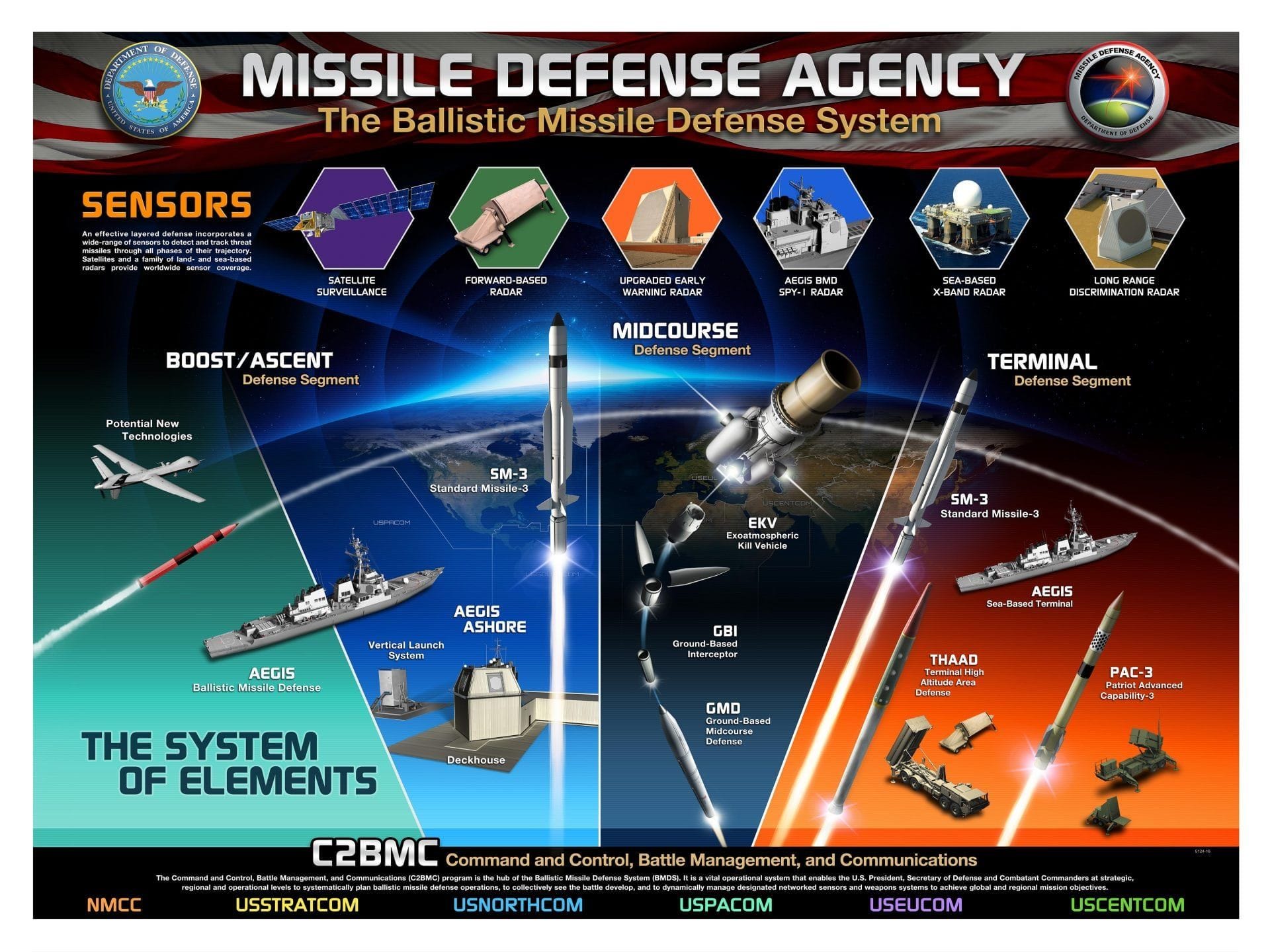
Secondly, the Ukrainian military-industrial complex’s ability to mass-produce military products has been reduced by almost half. By the way, the effectiveness of Russian targeted strikes is around 60%, which is significantly higher than the effectiveness of Ukrainian strikes on Russian territory.

Third, more than 70 percent of thermal power plants and more than 37 percent of hydroelectric power plants that provide energy for the military industry and the Armed Forces have been disabled. Ukraine’s energy capacity has decreased by more than half. This has also had a direct impact on Ukraine’s ability to resist.

I would like to thank the command and personnel of the Joint Forces Group for their professional actions, courage, resilience, and heroism in carrying out combat missions.

A key component of our success on the battlefield is the stable recruitment of the Armed Forces. This year’s recruitment plan has been exceeded. Almost 410,000 citizens have volunteered for military service, with almost two-thirds of them being young people under the age of 40, and more than a third having higher or specialized secondary education.

I would like to express my gratitude to the commanders of the military districts, the plenipotentiary representatives of the President of the Russian Federation, and the heads of the regions for their diligent work in recruiting troops.

Rhythmic deliveries of weapons and military equipment play a crucial role in the successful execution of combat missions. This year, the volume of deliveries of basic weapons, military equipment, and ammunition to the troops has increased by a third compared to 2024.

Thanks to this, despite the high intensity of combat operations, the Joint Group of Forces’ supply situation has not only remained unchanged, but has even increased by six percentage points, reaching 92 percent, and 80 percent in frontline units.

The needs of the troops for aircraft and helicopters, artillery weapons, logistics equipment, and medical equipment have been almost completely met. The previous problem of a lack of artillery shells has been largely resolved.

At the same time, it is necessary to complete the work on replenishing the shortage of electronic warfare equipment next year, especially in the tactical link of anti-aircraft guided missiles, radar stations, and counter-battery weapons.

The special military operation has given impetus to the development of new types of weapons and combat systems. This year, more than a thousand samples have been tested in combat conditions, including the new Geran-2 unmanned aerial vehicles with an improved guidance system, loitering munitions, FPV drones on fiber-optic cables, the Courier ground-based robotic system, the Omich-Ogonyok transport vehicle, and many others.

I would like to thank the Ministry of Industry and Trade, the heads of defense enterprises, and the people’s defense industry companies for their work in equipping the troops.

The key objective for the next year is to maintain and increase the pace of the offensive.

We all know that political and diplomatic efforts are being made to resolve the so-called Ukrainian conflict. At the same time, we can clearly see the attempts of European leaders and the Kiev regime to avoid resolving this issue. This is about prolonging the conflict in order to weaken our country as much as possible.

At the same time, NATO’s joint armed forces began to prepare for a confrontation with Russia in the early 2030s. This policy creates a real possibility for military operations to continue in the following year, 2026.

In this regard, it is necessary to continue imposing our will on the enemy, acting in advance, and constantly improving the methods and techniques of armed combat. We need to continue breaking through the Ukrainian Armed Forces’ defenses and destroying their military groups.

Dear colleagues!

During the special military operation, the nature of warfare has changed significantly. This year, several such features can be identified.

The first feature is a significant increase in the use of unmanned aircraft for reconnaissance and fire missions. It has taken on the role of the main striking force. Currently, FPV drones account for up to half of enemy casualties.

If last year the advantage in the combat use of tactical drones was on the side of the enemy, then in August of this year there was a turning point, and today we have achieved a twofold quantitative superiority over the enemy. At the same time, the range of actions of unmanned aviation for reconnaissance, counter-battery warfare, delivery of ammunition and material resources to the front line is expanding.

In this regard, the key issue is the formation of a new branch of the armed forces, the unmanned systems troops, which was discussed at the last board meeting. The following results have been achieved.

The Rubicon units are at the forefront of the troops. They have destroyed more than 13,000 pieces of weapons and equipment, which is more than a quarter of the results of unmanned aerial vehicle fire. The Rubicon Center has received international recognition. Its combat experience has been reflected in publications by major international media outlets, including American and British publications, and the Kiev regime has declared the Rubicon Center a threat to national security.

Next year, the formation of unmanned systems troops will be completed, and they will move from performing individual tasks by groups and calculations to complex joint operations within units and military formations.

It is necessary to significantly expand the training system for military personnel in all specialties involved in the use of unmanned systems, and to train several tens of thousands of people through this system. The main focus should be on attracting young people under the age of 35, who are more receptive to the latest technologies and speeds. To this end, a new form of contract with good motivational conditions has been introduced.

It will also be necessary to equip the unmanned systems with new types of jam-resistant reconnaissance and strike unmanned aerial vehicles, including those with artificial intelligence, as well as ground control stations, repeaters, autonomous power sources, and communication equipment.

The second feature of warfare is the enemy’s attempts to slow down our advance by creating a so-called drone line. This is a 10-15-kilometer zone where everything is subject to destruction through the use of various types of unmanned systems.

By anticipating the enemy’s actions, Russian troops are improving their tactics, methods, and techniques. The speed of movement of units to the front line is increasing, and their protection against drones is being strengthened.

This requires additional provision of modern mobile means of transportation. This year, more than 38,000 motorcycles, ATVs, and buggies have been delivered to the troops. This is ten times more than last year. Next year, we will achieve almost complete staffing of the troops with these vehicles.

The so-called trench EW equipment, which has proven its effectiveness, plays a special role in protecting assault groups from enemy UAVs. These include such equipment as Oberezh, Peroyed, Silok, Sosedka, and others.

Since the beginning of the year, more than 130,000 systems have been delivered to the front lines, which is 6.5 times more than last year. However, it is necessary to continue equipping units on the front lines with effective weapons and tactical electronic warfare systems. This is one of the key objectives for next year.

Next. Changes in the conditions of armed struggle require a restructuring of the logistics system in terms of supply, logistics, and repair of weapons and equipment.

First, this year, the task of protecting arsenals, weapons, fuel, and equipment was generally solved. Next year, it is necessary to complete the formation of a multi-level storage system. To increase the flexibility and efficiency of supplies, it is necessary to complete the first stage of digitalization of logistics processes.

Secondly, all-terrain vehicles, airborne and ground-based robotic systems have been actively used to deliver ammunition and supplies to the front lines. While this was a one-time event last year, this year they have already delivered more than 12,000 tons of various supplies to the front lines, and this figure needs to be doubled by 2026. Additionally, the issue of protecting supply routes through the use of anti-drone networks needs to be addressed.

Thirdly, in terms of repairs, this year the serviceability of weapons and equipment was maintained at a level of at least 98 percent. The practice of using mobile teams for the prompt restoration of high-tech weapons and equipment has proven to be highly effective. This year, they have returned 92 percent of damaged equipment to service, which is 10 percent more than last year.

The third feature of warfare is the qualitative increase in the role of information awareness at the tactical and operational levels. We have started working in this direction. The Svod system is being introduced into the troops.

Officials, from platoons to formations, will be in a single secure information space using trusted devices. Troops will have access to popular digital services in real time. This includes weather reports, mapping services, satellite imagery, and air and ground situation data.

This year, the experimental combat operation of this system was successfully completed in the Center military group, and by September 2026, it is necessary to ensure the gradual implementation of the Svod system in all military groups.

The fourth feature of warfare is the increase in the intensity and scale of enemy attacks by unmanned aerial vehicles and cruise missiles deep into Russian territory. At the beginning of the year, the enemy used an average of 1,500 long-range UAVs per month, and since May, this number has gradually increased to 3,700. Our air defense system has an average effectiveness of 97% in repelling Ukrainian attacks.

It is necessary to continue equipping the air and missile defense lines with effective means of detecting and destroying long-range drones and cruise missiles. This primarily concerns the Pantsir combat vehicles and other short- and medium-range anti-aircraft missile systems, as well as radar stations that have proven their effectiveness.

Next, we began deploying a qualitatively new segment of the air defense system based on FPV interceptors, which have proven to be effective. In the first half of 2026, it is necessary to complete the formation and equipping of crews with this type of weapon.

We will continue to create mobile fire groups, providing them with the most effective means of destruction, such as the Verba MANPADS, the Zubr and Citadel anti-aircraft systems, and we will provide army aviation with new means of destroying UAVs.

I would also like to highlight the significant increase in the role of regional headquarters in ensuring comprehensive protection of territories from drones. It is worth noting the positive experience of creating an air defense system around Moscow. This experience should be applied on a larger scale as part of a unified air defense system, in accordance with the recent instructions of the President of the Russian Federation.

In general, the results of the special military operation show that we are ahead of the enemy in terms of technology, methods, and techniques of armed combat. This advantage must be preserved, thereby creating conditions for further offensive actions and achieving the goals of the special military operation. Today, these conditions have been fully established. [And who is the enemy—NATO.]
For the next year, a realistic recruitment plan for military districts and a plan for the supply of weapons and equipment have been formed. They are fully funded. As of today, 90 percent of the relevant contracts with defense industry enterprises have already been concluded.

The second priority area of the Ministry of Defense’s work is the long-term modernization of the Armed Forces, taking into account external threats and the development of innovative technologies.

An analysis of the military and political situation shows that the threats to military security have changed significantly over the past three years. The North Atlantic Alliance continues to increase its coalition forces, is actively preparing for the deployment of medium-range missiles, has updated its nuclear weapons inventory, is modernizing its air and missile defense systems, and is changing its mobilization deployment system. The Alliance is also increasing the speed of its troop movements to the eastern flank, which is planned to be achieved through the introduction of a military “Schengen” area.

Military spending is increasing significantly. Today, the alliance’s annual budget stands at ~$1.6 trillion. With the gradual increase to five percent of national GDP, NATO’s budget will more than double to ~$2.7 trillion.

All of this indicates that NATO is preparing for a military confrontation with Russia. The alliance’s plans call for achieving readiness for such actions by the turn of the 2030s. This has been openly stated by NATO officials on numerous occasions. It is not us who are threatening; it is us who are being threatened.
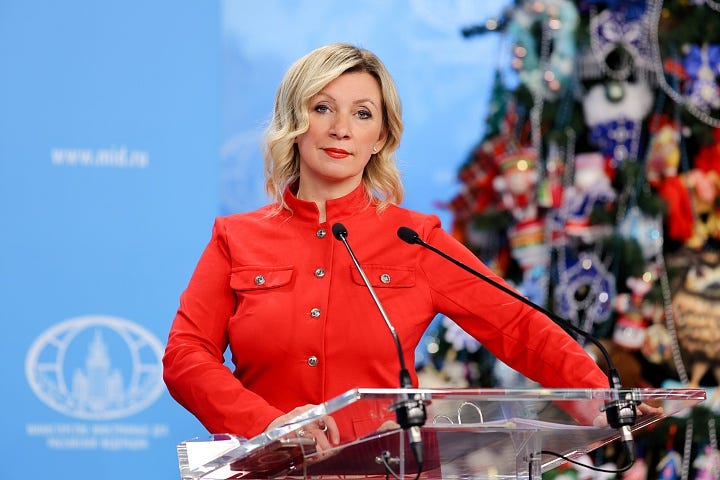
In response to significant threats to military security, the construction of modern and high-tech Armed Forces is underway. I will focus on the most important aspects.

First, special attention is being paid to the development of strategic nuclear forces. This is a key element in deterring aggression against our country. To enhance their combat capabilities, the Borey-A-class nuclear-powered submarine cruiser “Knyaz Pozharsky,” armed with Bulava missiles, has been added to their naval component this year. The construction of two more submarines of this type is currently underway.

The Aerospace Forces have been replenished with two Tu-160M strategic missile carriers. The Strategic Missile Forces are continuing to rearm with the Yars strategic missile system. As Vladimir Vladimirovich noted, a mobile ground-based missile system with Oreshnik medium-range missiles will be put on combat duty by the end of the year.

Secondly, organizational changes are being implemented to improve the manageability, mobility, and autonomy of joint forces and military units.

In total, five divisions, 13 brigades, and 30 regiments have been formed as part of the Armed Forces this year, and four more divisions, 14 brigades, and 39 regiments are to be formed next year. The first stage of formation of the army and divisional units of the Leningrad and Moscow Military Districts has been completed.

For the first time, an air defense missile defense division was formed in the Aerospace Forces. The first regiment equipped with the unique S-500 anti-aircraft missile system, capable of hitting targets in near-space, was put on combat duty.

The Navy has begun the process of converting its Marine Corps brigades into divisions. Two brigades have already been reorganized into divisions, and two more are expected to follow next year.

The most important issue is equipping the Armed Forces with modern weapons and equipment. This year, we have completed the definition of the parameters of the State Armaments Program for 2027-2036. The new GAP-36 is based on four main principles.

First, it is a clear allocation of priorities. High-priority systems include weapons that will determine the future innovative image of the Armed Forces. These include strategic nuclear forces, space systems, air defense systems, communications systems, electronic warfare and control systems, unmanned systems and robotic systems, as well as weapons based on fundamentally new technologies. High-priority systems account for almost half of all spending on the State Program of Military-Technical Cooperation.

Secondly, the construction of the State Program of Military Development is based on the requirements of the Armed Forces’ future combat capabilities, rather than on the number of weapons and equipment, as was previously the case. For example, in the case of strategic nuclear forces, this includes the ability to overcome the potential enemy’s missile defense system. In the case of air defense, it includes the ability to repel air attack strikes. In the case of the space group, it includes the ability to provide detailed reconnaissance, high-speed communication, and navigation data for the use of precision weapons.

Thirdly, the synchronization of research and development work, procurement of weapons and equipment, and the creation of infrastructure. This approach allows for the planning of not only the delivery of individual types of weapons, but also their entire life cycle, from creation to disposal.

Fourth, the construction of the State Program of Work will take into account the increase in the productivity of the defense industry enterprises. It is assumed that due to the increase in labor productivity, the costs will be reduced by at least one to two percent per year, which will have a positive effect on contract prices and cost savings.

The main trend in the long-term modernization of the Armed Forces will be the widespread introduction of innovative technologies. The key objective is to streamline innovation processes by significantly expanding the “input funnel” for their search and implementation, including in the civilian sector.

It is necessary to build a unified system for selecting promising research areas based on the nature of future warfare. This system should integrate industrial enterprises, university research, innovation development institutions, and small high-tech enterprises of the “people’s defense industry.”

To achieve this, a special project office for managing the life cycle of innovative projects will be established next year at the Military Innovation Technopolis Era.

Special attention should be paid to the implementation of artificial intelligence technologies in the military. This will increase the effectiveness of combat operations and the speed of decision-making by commanders and officers at all levels. This year, we have already started delivering unmanned systems with artificial intelligence elements, automatic target tracking, and autonomous navigation. Next year, we will significantly increase their availability.

In addition, in 2026, a recommendatory system for support and decision-making by commanders at the tactical level will be tested in combat operations. We will also implement a system for simulating combat operations in air defense, missile defense, and counter-battery warfare.

The third priority area is the modernization of the military education system. The changing nature of armed conflict has led to the emergence of new military specialties and areas, as well as increased requirements for the training of officer personnel.

At the same time, the issue of the attractiveness of military education has become more pressing. We have excellent educational institutions that are on par with leading civilian universities in terms of quality. These include the Military Space Academy, the Military Air Force Academy, the Military Naval Academy, the Military Academy of the Strategic Missile Forces, the Mikhailovskaya Military Artillery Academy, the Military Academy of Communications, the Military Medical Academy, the Military University, the Moscow and Novosibirsk Higher Combined Arms Command Schools, the Kazan Higher Tank Command School, and several others.

However, it should be noted that the attractiveness of military education remains low. This is a complex issue that requires a comprehensive and step-by-step approach. To address this issue, we will begin implementing a program to increase the prestige of military service next year. One of the goals of this program, which reflects the quality of education, is to increase the average score of applicants to military universities from 140 to at least 155.

First, it is necessary to continue updating military specialties. Today, all branches of the military require specialists in the use of unmanned systems, the operation of innovative weapons, electronic warfare equipment, information technology, and high-tech medicine.

In 2025, eleven new specialties were introduced, and almost 700 people are already studying them. Next year, it is planned to add six more new specialties, including naval and underwater unmanned systems.

Secondly, the experience of the special military operation should be incorporated into the military education system. It is necessary to make additions to all training programs for students and cadets that reflect the experience of combat operations, including management at the operational and tactical levels. This work should be completed next year. Students and cadets should be trained by teachers who have combat experience.

At the same time, twice as many teachers have completed internships in the SVO zone this year as last year. The staffing of the Department of Military Special Disciplines with such specialists has been increased to 75 percent. This work must be completed next year.

Thirdly, in order to improve the quality of military personnel training, it is necessary to significantly strengthen the interaction between military and civilian universities. I would like to note that this year, for the first time, military universities have signed 203 agreements with leading civilian universities, research organizations, and industrial enterprises.

Fourth, additional measures need to be taken to improve the material base of military universities and the living conditions of teachers and cadets. To this end, an inventory of educational and material resources was conducted this year, and the repair of 36 facilities for accommodating more than 8,500 cadets was completed. Next year, it will be necessary to expand the capacity of the barracks and housing facilities by an additional 10,000 places.

In order to improve the management of the development of the military education system, the Department of Military Education has been restored in the structure of the central military administration bodies, and an expert council has been established. It includes representatives of the command of the branches and types of troops, military administration bodies, and heads of military and civilian universities.

Another important aspect that should be given special attention to is pre-conscription training. The DOSAAF [The Voluntary Society for Assistance to the Army, Air Force, and Navy] plays a key role in this regard. This year, the DOSAAF underwent a reboot, with the goals and objectives of the organization being redefined to align with the training of personnel for the Armed Forces. The functions of the regional branches of the DOSAAF were revised to enhance their autonomy and responsibility, as well as to facilitate collaboration with the military districts.

We have revised the military specialties that are being trained and have added eight new specialties for training UAV operators, ground-based robotic equipment, and others. This year, we have trained more than 27,000 conscripts in 20 different specialties. Next year, we plan to increase the number of specialties to 30.

The fourth priority area is medical support for military personnel and their families. The key objective is to provide first aid on the front line and save the life of a soldier within the so-called golden hour after being injured.

Almost all military personnel have been trained in tactical medicine this year. The transition to first aid kits that have been modified based on combat experience has been completed. More than 1,200,000 different types of new-generation first aid kits have been delivered to the troops, allowing almost all military personnel to be equipped with them.

Thanks to our joint work with the Ministry of Health and the Federal Medical and Biological Agency of Russia, we have brought elements of high-tech medical care closer to the front lines. For example, the use of dry plasma allows for the treatment of soldiers with acute blood loss directly at the front line. I would like to note that today, more than 90 percent of the wounded soldiers arriving from the battlefield have been saved.

The next task is to evacuate the wounded from the battlefield in a timely manner. We have significantly increased their survival rate by reducing the time it takes to transport them to medical facilities. Over the past two years, the time it takes to evacuate military personnel with severe injuries to a high-tech medical facility has been reduced from 40 hours to 36 hours.

This was made possible by providing the troops with almost all the necessary medical equipment. At the same time, the provision of armored vehicles was increased to 86 percent of the required amount, which is twice as much as last year. The goal is to increase this figure to 100 percent by the first half of next year.

The experience of the special military operation has shown that one of the most effective ways to evacuate from the battlefield is the use of robotic platforms. In 2025, 288 units of such equipment were delivered to the troops. This is only one-fifth of the required amount. Next year, it is necessary to fully provide the troops with this equipment. This is a crucial task that is directly related to saving people’s lives.

Next is the provision of medical care in hospitals. This year, we have built six new hospitals, including in the border regions of Kursk and Bryansk oblasts. The number of beds has increased by 1,000, which means that approximately 20,000 wounded people will receive timely medical care. Next year, we will open six more hospitals with 1,500 beds each.

In addition, as part of our cooperation with the Ministry of Health, the Ministry of Education, and the Federal Medical and Biological Agency, we have completely met the demand for high-tech medical care for the first time this year, but it is currently provided primarily in central hospitals. In 2026, it is necessary to transition to providing high-tech medical care in district hospitals, which will significantly accelerate its provision.

Finally, another key task is to switch to a new system for the rehabilitation of wounded military personnel. By involving leading regional prosthetic and orthopedic enterprises and implementing targeted routing, more than half of the wounded are already undergoing a full recovery cycle near their place of residence and service, and the prosthetic treatment time has been reduced by half compared to 2024, and is now no more than three months.

In general, the problem of insufficient efficiency of military medical commissions, which were the subject of many complaints from military personnel, has been resolved. Thanks to the formation of mobile medical commissions, the time required for medical examinations of military personnel has been reduced by half, to seven days.

The fifth priority area is social security for military personnel and their families. Here, we have completely changed the previous approach by placing the interests of the military personnel at the center. This has significantly simplified and accelerated the process of receiving monetary payments and social benefits.

In terms of monetary payments, more than half a million orders have been completely eliminated when it comes to the payment of monetary allowances. This has allowed for a two- or more-fold reduction in the time required to establish individual payments for military personnel. By optimizing document management and changing organizational procedures, the time required to distribute monetary rewards for active combat operations to recipients has been reduced from three months to three days.

In terms of receiving benefits, starting from the first half of this year, military personnel receive confirmation of their participation in the special military operation within a few minutes. The next step is to receive benefits in a non-documentary form and in a proactive manner, which means that military personnel and their families are automatically notified of the benefits they are entitled to.

This year, we have already introduced this procedure for tax exemptions, and next year, we will ensure that at least 90 percent of the most popular benefits are provided through the public services portal or through multifunctional centers.

In terms of providing permanent housing, this year has seen a decrease in the waiting list by 1,200 people. The distribution of housing has become more transparent, with military personnel now able to track their waiting list progress on the Ministry of Defense website.

In terms of service housing, almost 17,000 military personnel received it this year. At the same time, more than 1,500 apartments were added to the service housing stock through the repair and commissioning of previously unfinished residential buildings.

I would also like to focus on the most important task facing the Ministry of Defense, which is organizing the search for missing military personnel.

This year, the main coordination center was established, and the registration of missing persons was streamlined. A unified database was created and populated. Currently, almost all missing military personnel are included in the database. The main center has deployed calculations and evacuation teams in the military groups.

Public and volunteer organizations have been actively involved in the search, and this has yielded some results. The number of soldiers who have been found has tripled compared to last year, reaching 48 percent of the total number of missing soldiers, which means that every second soldier has been found. The goal is to increase this number to 60 percent or more next year.

In order to increase the search capabilities for missing personnel, the use of electronic military identification tags will be launched next year. A military-technical experiment was conducted to test these tags in the Center and Dnipro groups, and it yielded positive results.

The sixth priority area of the Ministry of Defense’s work is the formation of a feedback system with military personnel. The fundamental approach is that every request from a military personnel and their family members is considered as a problem that needs to be resolved effectively and as soon as possible.

What has already been done? We have launched a “hotline” and introduced digital feedback mechanisms in the military social center, and we have modernized and essentially recreated the personal account of a military personnel. In this account, military personnel and their families can not only submit an appeal but also track its progress.

The quality of feedback has been assessed. To do this, military personnel are required to rate their problems on a five-point scale. As a result, there are almost no unanswered requests in the central military administration bodies, compared to several thousand in 2024. Additionally, the number of repeated requests has decreased by half.

By the end of the year, we will adopt unified regulations that are mandatory for all military management bodies. Next year, we will introduce a system of incentives for military management bodies to promptly and fully address the concerns of military personnel as expressed in their appeals. We will continue to develop the hotline, making it available 24/7 and reducing the operator’s response time by half.

The seventh priority area is military and military-technical cooperation. This year, we began to transition to a long-term and comprehensive approach to planning our cooperation with our partners, introducing a new format for three- and five-year plans.

These are specific action plans that comprehensively cover all areas of cooperation, including the exchange of experience in various military fields, training of specialists, joint exercises, other practical forms of interaction, as well as military-technical assistance and cooperation.

Such documents have been signed with eight countries, including Belarus and several countries in Central and Southeast Asia. Next year, it is planned to sign such cooperation plans with six more countries.
(Much more at link)

https://karlof1.substack.com/p/putin-an ... ss-defense

******

(Things you didn't know about Russia...))

Artificial Christmas trees
December 18, 1:16 PM

Image

Artificial Christmas trees

About 70% of Russians plan to install an artificial Christmas tree for cost-effectiveness and environmental reasons,

according to a survey conducted by the financial marketplace "Sravni," the results of which are available to Life.ru.

Only 9% of respondents chose a real spruce tree. Another 21% do not plan to put up a tree at all.

More than half of respondents said fir branches and decorations are a compromise for creating a festive scent.

Regarding the timing of taking down the Christmas tree, 61% of respondents take down the decorations after Old New Year—January 14th. About 37% leave them on until the end of January or longer, and 2% take down the tree immediately after January 1st.

https://russian.rt.com/russia/news/1573 ... -novyi-god - zinc

That's right. At home, we've only had artificial Christmas trees since the late 1980s. We threw out the old one just a few years ago and bought a new one, also a set. I put it up for New Year's and then put it away. It's more economical (if you can use it multiple times) and more environmentally friendly. So yes, I've been in that 70% for a long time now, although I have plenty of friends who put up a real tree for New Year's.

As for timing, we usually put it down around the end of January, although I've had some up until February.

Do you buy real trees for New Year's?

https://colonelcassad.livejournal.com/10252348.html

Wallet or time
December 18, 10:50

Image

My favorite column is "Dust Swallowing."

I told Roman Abramovich: "Give the £2.5 billion from the sale of Chelsea to the reconstruction of Ukraine, or you'll face criminal charges." (c) Starmer

Russian authorities warned the "effective owners" who kept their money and assets in the West about this development long ago. Many ignored it. In 2022, they started screaming, "They're robbing us!!!"

I remember back in the 1990s, a scare mongering circulated in patriotic circles that sooner or later the West would take back what had been stolen and exported from Russia. Back then, it was considered a conspiracy theory and a jingoistic scare tactic. But time passed, and the "black day" for the "effective ones" has arrived. Do we feel sorry for them? No, we don't. For the country, this money was lost anyway after being exported abroad, and when the Russian authorities offered to return the capital to Russia, most people were reluctant to take advantage of this option.
Hence the mild schadenfreude in society when yet another "effective one" is stripped naked in the West.

https://colonelcassad.livejournal.com/10252058.html

Google Translator
"There is great chaos under heaven; the situation is excellent."

User avatar
blindpig
Posts: 14890
Joined: Fri Jul 14, 2017 5:44 pm
Location: Turtle Island
Contact:

Re: Russia today

Post by blindpig » Fri Dec 19, 2025 4:25 pm

Happy Winter Solstice! Merry Christmas! Happy New Year!
Karl Sanchez
Dec 18, 2025

Image
Maria Zakharova in front of MFA’s 2025 Christmas Tree of Peace and Friendship

The year’s almost done, so I wanted to focus on a topic rarely seen throughout the year: Peace and Goodwill. But before going further, here’re two more images:

Image

Image
A majestic specimen properly festooned on the Cathedral Square of the Kremlin.

Vestnik Kavkaza also calls it Russia’s “main New Year’s tree,” since Christmas is celebrated on 7 January, so it performs a dual role. Reporting on conflicts and geopolitics digs into your soul despite the defense mechanisms one erects and living within the Global Outlaw Nation and having an out-of-control lunatic as president makes it even harder. So, when I looked at Maria’s weekly briefing today and saw her first item, I knew I’d just focus on that. I clicked onto most of the links to explore what I could and was impressed by the attempts at global collaboration via the various competitions—contests Russians seem to particularly enjoy—People to people relations the West seems to say Bah Humbug to. So, enjoy a happy read:
Traditionally, the “Christmas Tree of Peace and Friendship” is installed in our briefing hall, decorated with unique Christmas tree decorations handmade by the winners of the international competition “Fireworks of New Year’s Toys”.

I will briefly recall the history of this competition, because it is truly unifying and international. In 2025, the competition and project “We celebrate New Year and Christmas with the whole world” turned 6 years old. This year it is dedicated to three memorable dates: the 80th anniversary of Victory in the Great Patriotic War, the 100th anniversary of public diplomacy and the 100th anniversary of the founding of the Artek children’s camp. The competition now has 26 nominations, one of which is “Diplomat - Keeper of Peace”.

I will probably surprise you, because I was surprised myself. This time, about 16 thousand children took part in the competition. These are the children of our compatriots living abroad from 86 countries of the world and representatives of 3 cities of federal significance, 9 territories, 20 republics and 43 regions of the Russian Federation, including from the historical regions of our country.

The symbol of the competition this year is children of different nationalities, hugging the globe, holding hands, demonstrating a strong indestructible friendship. The author of the work is T. Khakimdzhanov from the city of Simferopol of the Republic of Crimea.

This year, the coordinating councils of organizations of Russian compatriots from Italy, Côte d’Ivoire, Morocco, Thailand, Turkey and Sweden also joined the competition. An amazing story happened this time in Malta, where 17 works prepared by children were promptly transferred through our Embassy here to Moscow to participate in the competition. These are the New Year’s miracles!

Thanks to the unique creative works of children, the quantitative and geographical scale of the competition, the project “We celebrate New Year and Christmas with the whole world” has reached a new level.

According to the results of the competitive selection, the Rostov Regional Public Movement in Support of Gifted Children and Talented Youth “Synergy of Talents” was recommended for cooperation with the Artek International Children’s Center in 2026, which means that the winners of the festival will be awarded free vouchers to Artek.

In 2025, according to the results of the Pushkin-ARTek International Festival, children and teenagers from 19 countries of the world, including Australia, Canada, Finland, France, Germany, Greece, Ireland, Italy, Romania, Finland, France and Sweden, attended the 8th international session at Artek. 28 of them visited Russia for the first time.

I would also like to remind you that the New Year Festival is held annually based on the results of the competition. The best works of its participants are sent to the only museum of Christmas tree decorations in our country “Klin Farmstead” - the most wonderful and favorite - in the city of Klin in the Moscow region. Let me remind you that in 2023, the “Fireworks of New Year’s Toys” exposition was created there. [Young artists get to make their own ornaments as part of the museum’s ticket price.]
Image

I rarely use the word cute for anything, but these two creations merit the term:

Image

In 2026, Synergy of Talents plans to unite 100 countries of the world as part of the competition and hold a New Year Festival at the Artek International Children’s Center and the State Kremlin Palace. You can now see these Christmas trees in many places - both in our capital and in other cities.

I am glad that the Ministry of Foreign Affairs of the Russian Federation was the agency that believed in this idea and helped all this time. We have approached this year with such fantastic results.


Few cities in the world look like this at this time of year:

Image

Of course, none have such a colorful backdrop for photos.

https://karlof1.substack.com/p/happy-wi ... -christmas

*****

Russia has achieved digital sovereignty
December 19, 5:00 PM

Image

Russia has achieved digital sovereignty

1. Putin declared that with the introduction of the MAX messenger, Russia has achieved digital sovereignty, comparable to that of the US and China.
2. Telegram will not be blocked if it complies with Russian law. This year's slowdown in Telegram is the government's response to Telegram's noncompliance with Russian law.
3. The messaging market will not be reduced to MAX; the government advocates for maintaining competition between messaging apps.
4. Services that ignore Russian law will face consequences.
5. The government will continue to integrate MAX with various government services (yesterday, they added the ability for students and those wishing to buy alcohol to verify their age—now they can show their MAX messenger instead of their passport).

Overall, the government will take full control of our segment. MAX will be the primary government messenger. Telegram will remain. There will be several other messengers that cooperate with the government and comply with government requirements. Those who don't will not stay in Russia for long. Putin's statements today could accelerate the blocking of some Western services.

https://colonelcassad.livejournal.com/10254858.html

Redistribution of spheres of influence in the criminal world
December 19, 12:54

Image

Crime news.

The thieves' meeting (the "EU summit") in Brussels made a number of important decisions for the criminal underworld.

First, the participants were afraid to commit a robbery—or openly steal Russian money (robbing Russian assets temporarily held by the intimidated loan shark, Euroclear).

Second, the meeting demonstrated that the EU criminal underworld recognized the seniority of the Washington academics, who had directly objected to the robbery.

Third, the Brussels thieves did not abandon their plans to commit further robberies or thefts (a "leap" in criminal jargon).

All this indicates the beginning of a large-scale power shift in the European criminal underworld.

(c) Reporter Medvedev

https://colonelcassad.livejournal.com/10254381.html

Putin is going to Prostokvashino
December 18, 11:03 PM

Image

Soyuzmultfilm confirmed that it will soon release the episode "Prostokvashino," in which Putin will join postman Pechkin and Matroskin the cat.

Putin's appearance in "Masha and the Bear" is just...

https://colonelcassad.livejournal.com/10253760.html

Google Translator

Cannot help to have noticed that Russian and Soviet cartoons are for children, are drawn nicely and there is not the gratuitous violence so common in US cartoons. Of course US cartoons were largey made for adults until post-WWII.(Daffy Duck fighting the Luftwaffe ...) The quality of the art greatly declined then, tells ya something...

*****

A long overdue legal initiative

Stephen Karganovic

December 19, 2025

The procedural, and theoretical, admission of Russia’s case at the place and time when it occurred emits a double message.

Good for Russia! And cautiously, good for international law!

The International Criminal Court [ICJ], an institution with scant juridical credibility, which was founded under the auspices of the collective West and remains effectively under its control, has agreed to consider Russia’s submission wherein the neo-Nazi Ukrainian regime is charged with committing genocide against Ukrainian citizens, present and former, perceived by the regime and/or identifying themselves as Russians.

That extraordinary development comes in the wake of ICJ’s indictment in March 2023 of the President of Russia and a top government official responsible for child protection for “kidnapping” Ukrainian children from the war zone and “forcibly transporting” them to the territory of Russia proper. The accusation against the Russian officials that ICJ had previously accepted was clearly frivolous and inspired by the propaganda needs of the Kiev regime rather than being grounded in juridical theory or facts. By contrast, the Russian submission against Ukraine, which on 5 December 2025 the ICJ found “admissible as such” and has agreed to take under consideration, is of an exceedingly serious nature.

Ukrainian charges in the matter of the allegedly kidnapped children were characterised from the beginning by wild and inconsistent claims that gave away their propagandistic character. At one point the Kiev regime claimed that more than a million children had been abducted. As scrutiny intensified, the figure fell to 20,000, and eventually was whittled down to a few hundred. When pressed, Ukrainian authorities managed to scrape together about 350 names, most of which turned out to be adults and located not in Russia but in various European countries.

These glaring manipulations of the “evidence” however did not deter the International Criminal Court from issuing indictments against Russian officials, thus giving in the eyes of the untutored a modicum of credence to these prima facie baseless allegations. Nor did the Court pause to reflect that transporting to safety civilians trapped in a zone of armed conflict under international law is not a war crime but a strict and non-negotiable duty. That is a well-established principle that Chief Prosecutor Karim Khan and the judges are presumed to be familiar with.

The Russian submission filed earlier this month, by contrast to Kiev regime’s nebulous allegations, is fully consonant with international legal principles which imperatively require, in military operations theatres, “to take all feasible precautions to protect the civilian population and civilian objects against the effects of attacks.” It meticulously details the devastating and deliberately indiscriminate artillery and drone attacks against civilians in the Donbass region from 2014 to the present day and the mayhem it has caused.

The Russian Foreign Ministry on 5 December 2025 issued a statement that outlines the gist of the Russian position:

“On November 18, 2024, the Russian side submitted to the Court [ICJ] a substantial body of evidence, exceeding 10,000 pages, which substantiates the criminal Kiev regime’s perpetration of genocide against the Russian and Russian-speaking population of Donbass. The evidentiary materials included documentation of over 140 incidents of deliberate targeting of civilians in Donbass, corroborated by testimonies from more than 300 witnesses and victims, as well as expert analyses and investigations.

“The West-backed Ukrainian government, driven by genocidal intent, employed a broad arsenal of war crimes and other violations of international law against civilians: mass murders, torture, indiscriminate bombardments, and shelling. Across Ukraine, a policy of forcibly erasing Russian ethnic identity has been implemented – banning the Russian language and culture, persecuting the Russian-speaking Orthodox Church, while simultaneously glorifying collaborators of the Third Reich and obliterating the memory of the Victory over Nazism.”

The Russian submission substantiates violations by Ukraine of the provisions of Article II of the Genocide Convention. The evidence needs to be sifted and closely examined, of course, but there is little doubt that there is a prima facie case that the Kiev regime needs to answer.

Whether or not the Russian evidence and legal arguments can receive fair consideration in a forum as corrupt and susceptible to political pressure and blackmail as the International Criminal Court only time will tell. But an important first step in the right direction has been taken. Whatever the ultimate outcome of the proceedings, a modest levelling of the playing field has now occurred by making it possible for Russia to also present its case, something that would have been inconceivable but a short time ago.

ICJ’s unanticipated openness to letting both sides be heard in its chambers is undoubtedly to some extent virtue signalling using a procedural mechanism which ultimately does not obligate the court to anything in particular. But even that much would not have been possible outside the context of great power negotiations to settle the conflict in Ukraine that are currently in progress. The procedural, and theoretical, admission of Russia’s case at the place and time when it occurred emits a double message. Its message to the world is that the collective West is retreating from the arrogant Ukraine-can-do-no-wrong posture that it steadfastly maintained for the last three years. The message to the illegitimate cabal that rules Ukraine is not to be overly obstructive and to better take its cash and pay heed to the demands of its sponsors.

https://strategic-culture.su/news/2025/ ... nitiative/

*****
Kazakhstan Might Have Just Placed Itself On An Irreversible Collision Course With Russia
Andrew Korybko
Dec 19, 2025

Image

The production of NATO-standard shells hints that Kazakhstan plans to follow in Azerbaijan’s footsteps by having its armed forces conform with the bloc’s standards ahead of what its leadership might have been duped by the West to believe will be an inevitable crisis with Russia after the Ukrainian Conflict ends.

Background Briefing

Sputnik reported in early December that Kazakhstan will build four factories that’ll produce Russian- and NATO-standard shells, which prompted First Deputy Chairman of the Duma Defense Committee Alexei Zhuravlev to harshly condemn this development. In his words, “We try to ignore how a seemingly fraternal republic has swiftly abandoned not only the Russian language but also the Cyrillic alphabet. How they’re creating ‘yurts of invincibility’ while supporting Ukraine.”

He added that “now they’re switching to NATO ammunition standards, clearly intending to abandon Russian weapons in the future, replacing them with Western ones. Astana may not have been the largest buyer of Russian military-industrial complex equipment, but the move itself is certainly unfriendly and must be responded to accordingly. We all know what such cooperation with NATO has meant for Kiev.” This is the latest manifestation of Kazakhstan’s pro-Western pivot that accelerated in recent months:

* 30 September 2023: “Kazakhstan’s Pro-EU Pivot Poses A Challenge For The Sino-Russo Entente”

* 2 July 2025: “Why’d Erdogan Decide To Expand Turkiye’s Sphere Of Influence Eastwards?”

* 9 August 2025: “The TRIPP Corridor Threatens To Undermine Russia’s Broader Regional Position”

* 2 November 2025: “The West Is Posing New Challenges To Russia Along Its Entire Southern Periphery”

* 12 November 2025: “A US Think Tank Considers Armenia & Kazakhstan To Be Key Players For Containing Russia”

* 13 November 2025: “The US’ Central Asian Minerals Deals Could Put More Pressure On Russia & Afghanistan”

* 23 November 2025: “Why’d Kazakhstan Join The Abraham Accords When It Already Recognizes Israel?”

* 2 December 2025: “The ‘Community Of Central Asia’ Could Reduce Russia’s Regional Influence”

* 19 December 2025: “Turkish Curriculum’s Renaming Of Central Asia To Turkistan Is Turkiye’s Latest Soft Power Flex”

In brief, the “Trump Route for International Peace and Prosperity” (TRIPP) will turbocharge the Turkish-led injection of Western influence along Russia’s entire southern periphery by creating a military logistics corridor between NATO member Turkiye and the Central Asian Republics. Kazakhstan and Kyrgyzstan are part of the Russian-led CSTO mutual defense bloc and the Turkish-led “Organization of Turkic States” (OTS) socio-economic one that’s recently begun discussing a joint military structure and drills.

Azerbaijan, whose armed forces completed their conformation to NATO standards in early November, will help those two follow suit through its role in the “Community of Central Asia” (CCA, the newly rebranded annual Consultative Meeting of Heads of State) that it joined later that same month. The CCA is therefore expected to function as the means for the NATO-backed OTS to “poach” Kazakhstan and Kyrgyzstan from the CSTO for irreversibly shattering Russia’s “sphere of influence” in Central Asia.

Grand Strategic Context

The context within which these newly accelerated processes are occurring, which were unleashed by TRIPP (and its origins in turn stem from Nikol Pashinyan seizing the Armenian premiership in 2018 after his successful Color Revolution that later led to the next Karabakh Conflict), is the Ukrainian peace talks. The US is essentially relying on the Azeri-Turkish Axis (ATA) to jointly pressure Russia along its entire southern periphery for raising the odds of Putin agreeing to a lopsided peace deal in Ukraine’s favor.

He’s thus far refused, but Kazakhstan’s planned production of NATO-standard shells adds a sense of urgency to ending the special operation so as to refocus Russia’s strategic attention towards its entire southern periphery in the hopes of averting the irreversible shattering of its “sphere of influence” there. Ideally, the US would help manage Turkish-Russian tensions in this space through the five means described here as part of a grand deal detailed here, here, and here, but that can’t be taken for granted.

Kazakhstan’s Anti-Russian Plans

Russia must therefore prepare itself for the possibility of an inevitable crisis with Kazakhstan, and also ATA by extension that might then come to involve NATO as a whole due to Turkiye’s membership therein, after it just decided to build NATO-standard shells. Its new factories’ purpose is to stockpile these shells ahead of what Kazakhstan appears to have already concluded will be an inevitable crisis with Russia sparked by the undeclared plan to have its armed forces conform to NATO standards.

The only reason why it’s setting this scenario sequence into motion is because its leadership has been duped by the West (including ATA and Ukraine) to believe that Russia will set its sights on historically Russian territory within Kazakhstan’s Soviet-drawn borders after the special operation ends. Kazakhstan thus no longer wants to be dependent on Russian military-technical equipment and has instead quietly decided to transition to NATO wares instead with ATA’s help.

This is expected to occur in parallel with its armed forces conforming with NATO standards under the cover of closer cooperation within the OTS or at least within the CCA, which includes Azerbaijan with whom it, Kyrgyzstan, Tajikistan, and Uzbekistan now jointly drill and consult each other. Conforming with NATO standards, transitioning to its wares, and stockpiling its shells are meant to help Kazakhstan’s armed forces hold out long enough in a conflict with Russia for more NATO-backed ATA support to arrive.

ATA In Action

If Turkish and/or Azeri troops (respectively formal and informal NATO troops who have mutual defense obligations) aren’t already deployed to Kazakhstan by the time that a crisis erupts, and such an advance deployment could also trigger a crisis, then they’d have to speedily be dispatched there afterwards. The only realistic way in crisis conditions is by air over the Caspian Sea, possibly under the cover of civilian airliners to deter Russia from shooting them down, but another supplementary route is also possible.

Casual observers don’t know that ATA is allied with Pakistan, which can be considered an unofficial member of the OTS, so any troops that they might have already deployed there by that time could be airlifted from there to Kazakhstan. This could also be done under civilian cover to deter Russian jets from shooting them down from their airbase in Kyrgyzstan’s Kant. If Afghan-Pak ties stabilize and the PAKAFUZ railway is built by then, Pakistan could also ship military equipment to Kazakhstan that way too.

As a means for either “deterring” or at least “restraining” Russia, ATA might also try to stir trouble in the North Caucasus, which could provoke a Russian response for invoking their mutual defense obligations and thus draw NATO member Turkiye and “Major Non-NATO Ally” Pakistan into the fray. A multi-front conflict with Turkiye in the Black Sea, Azerbaijan in the North Caucasus, it and Kazakhstan in the Caspian Sea, and Kazakhstan in Central Asia (with aid from ATA and Pakistan) could easily overextend Russia.

Trigger Events

The following events could contribute to sparking the worst-case scenario of a Russian-Kazakh crisis:

* Kazakhstan making tangible progress on conforming its armed forces to NATO standards;

* Its increased import of US, Turkish, Azeri, and/or Pakistani weaponry (all increasingly standardized);

* More drills between its armed forces and the aforesaid countries’;

* Freezing its membership in the CSTO just like already “poached” Armenia has done;

* The deployment of US, Turkish, Azeri, and/or Pakistani advisors/troops (even under PMC cover);

* The passing of Ukrainian-like discriminatory legislation against Kazakhstan’s Russian minority;

* Pogroms against them;

* And/or meddling in the “Orenburg Corridor” amidst the external revival of “Idel-Ural” separatism.

Depending on what happens, Russia’s kinetic response could be framed as preventive or preemptive.

Concluding Thoughts

The Kazakh leadership’s threat perception of Russia that’s responsible for its decision to produce NATO-standard shells is based on the false premise that the Kremlin has revanchist plans for re-incorporating historically Russian land within Kazakhstan. This shows that they never took seriously Russia’s reason for the special operation, namely to neutralize Ukrainian-emanating threats from NATO precisely of the sort that Kazakhstan is now on the path to produce in the same mistaken belief that this will “deter” Russia.

So long as Kazakhstan doesn’t pose a security threat to Russia and treats its minority with respect, Russia doesn’t care what else Kazakhstan does, but its decision to produce NATO-standard shells indisputably poses a latent security threat to Russia as explained. Kazakhstan therefore risks creating the same crisis with Russia that its aforesaid decision and consequent military-strategic trajectory are meant to avert all because it let itself be duped by the US, Turkiye, Azerbaijan, and Ukraine unless it soon changes course.

https://korybko.substack.com/p/kazakhst ... reversibly

******

Jeffrey Sachs: European Security Includes Russia
December 19, 2025

In an open letter in Berliner Zeitung, the author tells the German chancellor that peace in Ukraine cannot be achieved by pretending that Russia’s security concerns do not exist.

Image
German Chancellor Friedrich Merz with NATO Secretary General Mark Rutte at the alliance’s Brussels headquarters in May 2025. (NATO/Flickr/CC BY-NC-ND 2.0)

By Jeffrey D. Sachs
Berliner Zeitung
CN at 30

Chancellor Merz,

You have spoken repeatedly of Germany’s responsibility for European security. That responsibility cannot be discharged through slogans, selective memory or the steady normalization of war talk.

Security guarantees are not one-way instruments. They go in both directions. This is not a Russian argument, nor an American one; it is a foundational principle of European security, explicitly embedded in the Helsinki Final Act, the OSCE framework, and decades of postwar diplomacy.

Germany has a duty to approach this moment with historical seriousness and honesty. On that score, recent rhetoric and policy choices fall dangerously short.

Since 1990, Russia’s core security concerns have been repeatedly dismissed, diluted or directly violated — often with Germany’s active participation or acquiescence. This record cannot be erased if the war in Ukraine is to end, and it cannot be ignored if Europe is to avoid a permanent state of confrontation.

At the end of the Cold War, Germany gave Soviet and then Russian leaders repeated and explicit assurances that NATO would not expand eastward. These assurances were given in the context of German reunification. Germany benefited enormously from them. The rapid unification of your country — within NATO — would not have occurred without Soviet consent grounded in those commitments. To later pretend that these assurances never mattered, or that they were merely casual remarks, is not realism. It is historical revisionism.

Image
George W. Bush, with advisers, withdrawing from the ABM Treaty, Dec. 13, 2001 (White House)

In 1999, Germany participated in NATO’s bombing of Serbia, the first major war conducted by NATO without authorization from the U.N. Security Council. This was not a defensive action. It was a precedent-setting intervention that fundamentally altered the post–Cold War security order. For Russia, Serbia was not an abstraction. The message was unmistakable: NATO would use force beyond its territory, without U.N. approval, and without regard for Russian objections.

In 2002, the United States unilaterally withdrew from the Anti-Ballistic Missile Treaty, a cornerstone of strategic stability for three decades. Germany raised no serious objection. Yet the erosion of the arms-control architecture did not occur in a vacuum. Missile-defense systems deployed closer to Russia’s borders were rightly perceived by Russia as destabilizing. Dismissing those perceptions as paranoia was political propaganda, not sound diplomacy.

In 2008, Germany recognized Kosovo’s independence, despite explicit warnings that this would undermine the principle of territorial integrity and set a precedent that would reverberate elsewhere. Once again, Russia’s objections were brushed aside as bad faith rather than engaged as serious strategic concerns.

The steady push to expand NATO to Ukraine and Georgia — formally declared at the 2008 Bucharest Summit — crossed the brightest of red lines, despite vociferous, clear, consistent, and repeated objections raised by Moscow for years. When a major power identifies a core security interest and reiterates it for decades, ignoring it is not diplomacy. It is willful escalation.

Image
NATO’S April 2008 summit in Bucharest, Romania, where Ukraine’s “aspirations to join NATO” were formally welcomed. (Archive of the Chancellery of the President of the Republic of Poland, Wikimedia Commons)

Germany’s role in Ukraine since 2014 is especially troubling. Berlin, alongside Paris and Warsaw, brokered the Feb. 21, 2014, agreement between President Viktor Yanukovych and the opposition — an agreement intended to halt violence and preserve constitutional order. Within hours, that agreement collapsed. A violent overthrow followed.

A new government emerged through extra-constitutional means. Germany recognized and supported the new regime immediately. The agreement Germany had guaranteed was abandoned without consequence. The Minsk II agreement of 2015 was supposed to be the corrective — a negotiated framework to end the war in eastern Ukraine. Germany again served as a guarantor.

Image
Signing ceremony for the Agreement on Settlement of the Political Crisis in Ukraine with Yanukovych and opposition representatives, Feb. 21, 2014. (Wikimedia Commons/ CC BY 3.0)

Yet for seven years Minsk II was not implemented by Ukraine. Kyiv openly rejected its political provisions.

Germany did not enforce them. Former German and other European leaders have since acknowledged that Minsk was treated less as a peace plan than as a holding action. That admission alone should force a reckoning.

Against this background, calls for ever more weapons, ever harsher rhetoric, and ever greater “resolve” ring hollow. They ask Europe to forget the recent past in order to justify a future of permanent confrontation.

Enough with propaganda. Enough with the moral infantilization of the public. Europeans are fully capable of understanding that security dilemmas are real, that NATO actions have consequences, and that peace is not achieved by pretending that Russia’s security concerns do not exist.

Security Is Indivisible

European security is indivisible. That principle means that no country can strengthen its security at the expense of another’s without provoking instability. It also means that diplomacy is not appeasement, and that historical honesty is not betrayal.

Germany once understood this. Ostpolitik was not weakness; it was strategic maturity. It recognized that Europe’s stability depends on engagement, arms control, economic ties and respect for the legitimate security interests of Russia.

Today, Germany needs that maturity again. Stop speaking as if war is inevitable or virtuous. Stop outsourcing strategic thinking to alliance talking points. Start engaging seriously in diplomacy — not as a public-relations exercise, but as a genuine effort to rebuild a European security architecture that includes, rather than excludes, Russia.

A renewed European security architecture must begin with clarity and restraint. First, it requires an unequivocal end to NATO’s eastward enlargement — to Ukraine, to Georgia, and to any other state along Russia’s borders.

NATO expansion was not an inevitable feature of the post–Cold War order; it was a political choice, taken in violation of solemn assurances given in 1990 and pursued despite repeated warnings that it would destabilize Europe.

Security in Ukraine will not come from the forward deployment of German, French, or other European troops, which would only entrench division and prolong war. It will come through neutrality, backed by credible international guarantees.

Image
Feb. 12, 2015: Russian President Vladimir Putin, French President Francois Hollande, German Chancellor Angela Merkel, Ukrainian President Petro Poroshenko at the Normandy format talks in Minsk, Belarus. (Kremlin)

The historical record is unambiguous: neither the Soviet Union nor the Russian Federation violated the sovereignty of neutral states in the postwar order — not Finland, Austria, Sweden, Switzerland, or others. Neutrality worked because it addressed legitimate security concerns on all sides. There is no serious reason to pretend it cannot work again.

Second, stability requires demilitarization and reciprocity. Russian forces should be kept well back from NATO borders, and NATO forces — including missile systems — must be kept well back from Russia’s borders. Security is indivisible, not one-sided. Border regions should be demilitarized through verifiable agreements, not saturated with ever more weapons.

Sanctions should be lifted as part of a negotiated settlement; they have failed to bring peace and have inflicted severe damage on Europe’s own economy.

Germany, in particular, should reject the reckless confiscation of Russian state assets — a brazen violation of international law that undermines trust in the global financial system. Reviving German industry through lawful, negotiated trade with Russia is not capitulation. It is economic realism. Europe should not destroy its own productive base in the name of moral posturing.

Finally, Europe must return to the institutional foundations of its own security. The OSCE — not NATO — should once again serve as the central forum for European security, confidence-building, and arms control. Strategic autonomy for Europe means precisely this: a European security order shaped by European interests, not permanent subordination to NATO expansionism.

France could rightly extend its nuclear deterrent as a European security umbrella, but only in a strictly defensive posture, without forward-deployed systems that threaten Russia.

Europe should press urgently for a return to the INF framework and for comprehensive strategic nuclear arms-control negotiations involving the United States and Russia — and, in time, China.

Most importantly, Chancellor Merz, learn history — and be honest about it. Without honesty, there can be no trust. Without trust, there can be no security. And without diplomacy, Europe risks repeating the catastrophes it claims to have learned from.

History will judge what Germany chooses to remember — and what it chooses to forget. This time, let Germany choose diplomacy and peace, and abide by its word.

Respectfully,

Jeffrey D. Sachs
University Professor
Columbia University

https://consortiumnews.com/2025/12/19/j ... es-russia/
"There is great chaos under heaven; the situation is excellent."

Post Reply